
Other girls’ shoes: mules, boat shoes and espadrilles

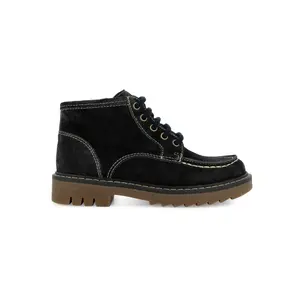


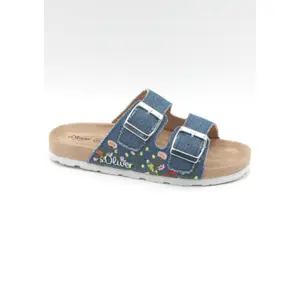


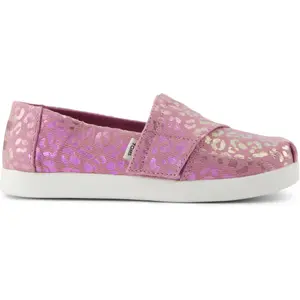


During the French Days, the other girls’ shoes page brings together styles that are neither trainers nor boots: Bopy mules that slip on in one easy movement, Pom d'Api velvet boat shoes, and Toms Classic espadrilles in printed canvas. This online shopping event, launched in 2018, returns in spring and September, two times of year when you add to your shoe collection.
The pairs that complete your shoe collection.
Mules or boat shoes: what are they for?
The mule, open at the back, slips on without using your hands: handy for the house, garden or a short trip, it doesn’t hold the foot as securely as a closed shoe and is best for quiet moments rather than running around. Bopy, a specialist in children’s shoes, offers a version for girls with the Essabo.
The boat shoe, first worn on sailing boats for its non-slip sole, has become a weekend classic. Pom d'Api, founded in Vendée in 1973 by the Rautureau brothers, gives it a new look in velvet with the Sid Lace Plato, featuring laces and a raised sole, for a smart style that’s still comfortable.
Trainers, boots or sandals to complete the collection
These styles complement the main shoe types in the wardrobe. Girls’ trainers remain the go-to shoes for school and the playground, boots and ankle boots take over in cold or wet weather, and sandals and flip-flops dress bare feet for the holidays.
Toms espadrilles, from Argentina to the holidays
The espadrille pairs a canvas upper with a lightweight sole, and is worn barefoot in warm weather. Toms, a company founded in Los Angeles in 2006, based its Classic style on the alpargata, Argentina’s traditional espadrille, which its founder Blake Mycoskie discovered on a trip to the country. The brand became known for its origin principle: giving a pair of shoes to a child for every pair bought.
Children’s versions keep the flexible slip-on shape, with an elastic panel over the instep and colourful prints. Avoid getting them wet: the canvas dries slowly and can lose its shape.
Water shoes and walking shoes for outings
For pebble beaches, rivers or the swimming pool, water shoes protect the soles of the feet from shells, rocks and hot surfaces. They dry quickly, let water drain through perforations and stay on the foot with an elastic fastening or adjustable strap: unlike flip-flops, they won’t get swept away by the current.
For walks, a shoe with a lugged sole and a mid-height upper provides the grip and support that trainers can’t offer on stony paths. Choose half a size larger to allow room for thick socks and stop toes bumping against the front on downhill stretches.
Mules and espadrilles for the spring French Days and beyond
These lightweight shoes are mainly for warmer days. Black Friday and the festive season are a good time to give velvet boat shoes, then the winter sales clear out warm styles. The spring French Days kick off espadrille season, the summer sales bring mules and water shoes, and the back-to-school season brings back closed styles. Clearance runs throughout the year.
Frequently asked questions
Are mules suitable for school?
It’s best to avoid them: because they’re open at the back, they can slip off during breaktime and PE. Keep them for the house, garden or quieter outings, and choose a closed shoe with a heel for the classroom.
Should you wear socks with boat shoes?
Traditionally, boat shoes are worn barefoot. For a child, thin, invisible trainer socks are still a good idea: they absorb sweat and help prevent blisters against leather or velvet that’s still stiff.
How do you clean canvas espadrilles?
Brush off dust while dry, then dab stains with a damp cloth and a little mild soap, without soaking the sole. Leave them to air-dry, stuffed with paper and out of direct sunlight.
What size should you choose for water shoes?
Choose your usual size, or even one size down if the style is made from stretchy neoprene: when wet, the shoe shouldn’t move around your foot. It should fit snugly without squeezing your toes.
What shoes should you wear for indoor sports?
For the gym, choose indoor shoes with a non-marking rubber sole that grips the floor without leaving marks. Keep them for indoor use: worn outside, they lose their grip and make the floor dirty.











