
Girls’ shoes for every season and every step


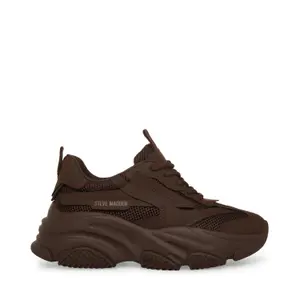


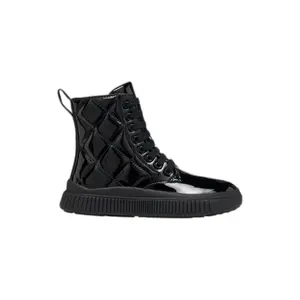


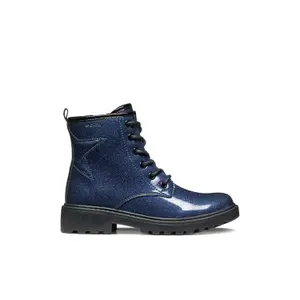


During French Days, girls' shoes are available all year round: Geox and Fare Bare ankle boots for winter, Mikk-Line wellies, Victoria, Skechers, Puma and GBB trainers for school, Birkenstock sandals for summer, plus slippers and ballet flats. This online shopping event returns in spring and then in September, when their shoe size has often changed.
The right style, in the right size.
Measuring your daughter’s feet and choosing her shoe size
Check her shoe size every time you buy a new pair, as children’s feet grow quickly: often by more than one size a year until primary school. Ask her to stand up, with her heel against a wall and her foot on a sheet of paper; mark the tip of her longest toe and measure in centimetres. Take the measurement at the end of the day, when her foot has swollen slightly, and measure both feet, as they’re rarely identical.
Then add around one centimetre of room for movement and growth, and compare the measurement with the brand’s size guide: the inside length of the same shoe size can vary by several millimetres from one manufacturer to another.
Trainers, boots, sandals and other styles
There’s a page for every occasion. Girls’ trainers are ideal for school and sport, with either hook-and-loop fastenings or laces. Boots and ankle boots protect against the cold and rain, from wellies to leather Chelsea boots. Sandals and flip-flops are perfect for summer, while the other shoes page brings together mules, espadrilles and boat shoes.
Ankle boots and boots: keeping feet dry in winter
In winter, a high-cut ankle boot supports the ankle and protects against puddles. Geox, an Italian brand founded in 1995 around a patented sole that lets sweat escape, uses this design in its Casey and Shaylax styles, which are popular for long days in the classroom. Fare Bare’s Chelsea boots, designed for a barefoot feel, have a thin, flexible sole and a wide toe box that lets toes spread out.
On really rainy days, nothing beats a wellie. Mikk-Line, a Danish brand, is known for its embossed designs, such as the unicorn on the Unicorn version; a removable insole makes it easier to check the fit.
Trainers and sandals: for school and then summer
For everyday wear, trainers are a schoolgirl’s go-to shoes. Victoria, a Spanish brand founded in 1915, makes canvas or faux-leather tennis shoes such as the Oslo and Smash; Skechers focuses on cushioning, while Puma, a German brand founded in 1948, offers the Carina Mia in a mini version for younger children. For nursery, choose hook-and-loop fastenings to help your child put her shoes on by herself.
In warmer weather, Birkenstock sandals bring the German manufacturer’s cork-and-latex footbed to children’s sizes, with the two-strap Arizona and the toe-post Gizeh. For running and climbing, choose a sandal with a back strap to keep the heel in place.
Replacing your daughter’s shoes throughout the year
Between growing feet and everyday wear, girls need new shoes several times a year. Black Friday and the festive season are good times to buy ankle boots and winter slippers, while the winter sales are a chance to replace a pair that’s starting to feel tight. The spring French Days coincide with the return of canvas trainers, the summer sales with sandals, and back-to-school season with a new pair for school. Check out the special offers too.
Frequently asked questions
How many pairs of shoes does a schoolgirl need?
Two pairs to alternate between are usually enough: trainers for school and sport, and a pair suited to the weather—ankle boots in winter and sandals in summer. Alternating them gives each pair time to dry between days and helps them last longer.
Should I buy shoes a size bigger?
No. If there’s more than a centimetre and a half of extra room, the foot slips, your child trips and curls her toes to keep the shoe on. It’s better to buy a new pair in the right size during the year.
Are barefoot shoes suitable for all children?
They’re suitable for most healthy children, especially for walking on different types of ground. Introduce them gradually if your daughter is used to thick soles, and ask a podiatrist for advice if she has persistent flat feet or pain.
How can I make children’s leather shoes last longer?
Brush them after every muddy outing, condition the leather with a suitable cream once a month, and leave them to dry away from the radiator. Applying a waterproofing spray at the start of winter helps limit water and salt stains.
At what age can a child tie her own shoelaces?
Most children can do it between the ages of five and seven with a little practice. Until then, hook-and-loop fastenings or elastic laces let her put her shoes on by herself, at school and at home.











