
Baby dungarees, the complete one-piece outfit

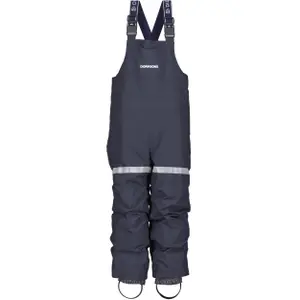
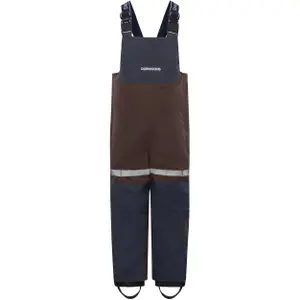


Bib over the tummy, straps over the shoulders, back always covered: baby dungarees stay in place no matter how many times your little one rolls over. They are worn over a bodysuit and open at the crotch for nappy changes. Soft denim, corduroy or fleece, each fabric has its time of year in this selection designed with nursery in mind.
One piece, with no bare tummies.
Straps, poppers, buttons: what makes dungarees practical
You can tell a good baby dungaree by its fastenings. Poppers at the crotch, or all the way down the legs for younger babies, make nappy changes easier without having to undress your child. Adjustable straps, with sliding buckles or two rows of buttons, add a few centimetres to the length and help the dungarees last for much of the year.
Check the strap buttons too: they should be securely sewn on or riveted, as babies put everything in their mouths. Straps that cross over at the back stay in place better on narrow shoulders than parallel straps, which slip as soon as your child starts wriggling.
Pairing dungarees with other baby clothes
Dungarees do most of the work, so you only need a few pieces to complete the outfit. Underneath, bodysuits make a good base layer, while long-sleeved baby T-shirts keep little arms warm when the bib leaves the shoulders uncovered. On days when you prefer a two-piece outfit, baby trousers are an alternative, and baby jackets can be layered over the top without getting in the way of the straps.
Denim, corduroy or fleece: choosing dungarees for the season
Denim remains the classic dungaree fabric, inherited from workwear. For a baby, choose a lightweight, soft denim that bends at the hips when they sit, rather than a thick pair of jeans. Corduroy provides welcome warmth from autumn to late winter and develops a lovely finish with each wash.
In warmer weather, short cotton or linen dungarees with open legs let the skin breathe and can be worn over a short-sleeved bodysuit. Fleece makes for soft, jogging-bottom-style dungarees, ideal for crawling and naps, preferably without metal buttons at the back.
Dungarees and first steps: getting the length right
When your baby is crawling, dungarees have one big advantage: held up by the straps, they stay in place and never leave the lower back exposed. Choose a size with enough room around the body, as a crotch that is too short will pull on the shoulders when your child squats down.
When your baby starts standing, the leg length is the thing to watch: hems that trail on the floor can get caught underfoot. Turn them up by a centimetre or two to solve the problem, then let them down as your child grows. For nursery, choose fastenings your child cannot undo alone, but that staff can open easily at nappy-change time.
Baby dungarees and key times of the year
People often buy dungarees a size ahead, and major sales events are a good time to plan ahead. Black Friday comes at just the right time for corduroy styles, while the festive season is a good time to give a lovely pair as a present, followed by the winter sales. The spring French Days and summer sales bring short dungarees into season before the new school year. Special offers and clearance bring together end-of-line styles, while new arrivals showcase the latest designs.
Frequently asked questions
From what age can a baby wear dungarees?
From birth, if they open all the way down the legs, so you don’t have to handle your newborn too much. Styles with simple strap buttons and no poppers on the legs are better suited to children who can sit unaided.
What should a baby wear under dungarees in winter?
A long-sleeved bodysuit and a warm top are enough under corduroy or fleece dungarees, with tights or knee-high socks. Layer thin clothes so you can easily take one off in a heated room.
Are dungarees suitable for nursery days?
Yes, if they are quick to change: poppers at the crotch and straps that are easy to undo are a real help for staff changing several children one after another. Avoid lots of small buttons and tied straps, which take longer to manage.
How do you wash baby denim dungarees?
Wash them inside out at a low temperature, with the buttons and poppers fastened, to preserve the denim colour and stop the fastenings catching on the rest of the washing. Air-dry them, as denim shrinks in the tumble dryer.
Should you buy dungarees a size bigger?
It’s often a good idea, as adjustable straps and turned-up hems make up the difference during the first few months. Don’t go up two sizes: the crotch would hang too low and get in the way of crawling or walking.











