
Baby trousers, from play mat to first steps


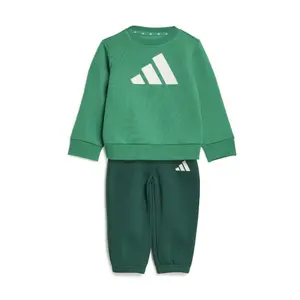


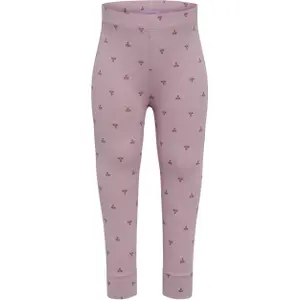
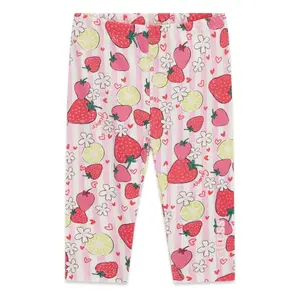

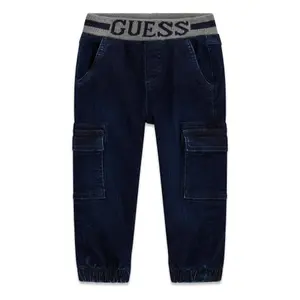
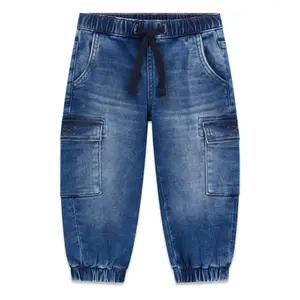


Baby trousers need to keep up with a child who spends their days lying down, sitting, crawling and then standing. An elasticated waist that doesn’t squeeze their tummy, a roomy enough seat to fit a nappy, knees that can withstand the floor at nursery: these are the criteria behind this selection of fleece, cotton and soft denim trousers.
Freedom to move, and easy nappy changes too.
Elasticated waist, roomy seat: the cut of baby trousers
An elasticated waist is standard on baby trousers: it makes them easy to pull on over a nappy and fits around a rounded tummy without digging in. Check that it is covered with fabric, so the elastic doesn’t rub against the skin, and that it doesn’t leave any red marks by the end of the day. Some styles have an adjustable inner elastic with buttonholes, which is handy for slimmer children.
The roomy seat, typical of harem-style trousers, gives a nappy plenty of room without pulling at the crotch. For little ones, ribbed ankle cuffs stop the legs riding up when baby kicks on their play mat, keeping their legs covered down to their feet.
Dressing baby around the trousers
Trousers form the base of an outfit, and you can choose the rest to go with them. Bodysuits tuck in underneath and stay put under the elasticated waist, while baby T-shirts complete the top half on mild days. For an all-in-one outfit that keeps baby’s back covered, dungarees are a good option, while baby jackets go over the top for outings.
Fleece, cotton, soft denim: which fabric for each age
Before they start walking, fleece and cotton jersey are the best choices: soft, stretchy and warm without being heavy, they suit a child who spends the day between their play mat and an adult’s arms. Organic or OEKO-TEX certified cotton limits contact between still-delicate skin and unwanted substances.
Baby jeans have plenty of charm, as long as they’re made from stretch denim with an elasticated waistband: stiff denim makes sitting and crawling uncomfortable. Corduroy is warmer and suits winter. Whatever the fabric, avoid small sewn-on decorative buttons, which a baby could pull off and put in their mouth.
Which trousers for crawling and first steps
At around six to ten months, most babies start crawling, and the knees of their trousers are the first to wear out. Thick fabric or reinforced knees protect the skin on tiled floors and help prevent holes. During this stage, ankle-length trousers stop the fabric slipping under a hand or knee.
For first steps, length matters even more, as a dragging hem can catch underfoot and make a child fall. Turn it up once if needed. A close fit that isn’t tight leaves the hips free to squat and stand up again, a movement repeated dozens of times a day.
Baby trousers throughout the year’s sales
Babies wear out and outgrow their trousers faster than most of their clothes, so it’s worth buying the next size at the right time. Black Friday is a good time to build up a winter wardrobe, the end-of-year celebrations are a chance to add a lovely pair of jeans to give as a present, and the winter sales are a good time to pick up corduroy. The spring French Days and summer sales help you get ready for the next school year. Between these events, clearance and special offers are available, while new arrivals show the latest styles.
Frequently asked questions
How can I make trousers that are too wide fit my baby?
If the style has inner buttonholes, the elastic can be adjusted in seconds. Otherwise, tucking a bodysuit into the trousers gives them a little extra hold, but avoid belts and safety pins, which are uncomfortable and dangerous for a young child.
How many changes of trousers should I pack in the nursery bag?
Pack at least one spare pair of trousers, or two for a child who is potty training, along with a bodysuit and socks. Label each item with your child’s name, as clothes in the same colour can all look alike at nursery.
What size trousers should I choose for a nine-month-old baby?
Go by their height rather than their age: a nine-month-old often wears size 71 or 74, depending on the brand. If you’re between sizes, you can make the larger size work by turning up the hem.
How should I fold and store baby trousers?
Fold them in half lengthways, then into thirds, and store them upright in a drawer so you can see each pair at a glance. Keep the current size separate from the next one and you’ll find what still fits more quickly.
Are footed trousers useful for a newborn?
Built-in feet keep little toes warm during the first few weeks, when socks keep falling off. Choose a pair that’s long enough so the toes aren’t pressed against the end, and switch to regular trousers once baby starts standing.











