
Aster, French children’s shoes since 1913
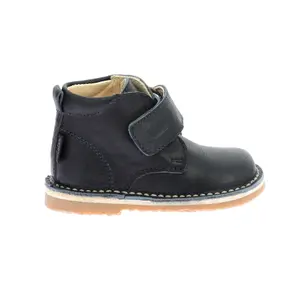
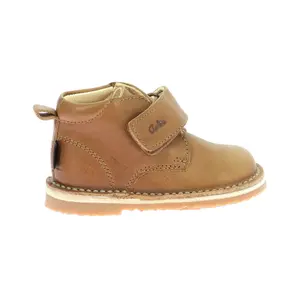
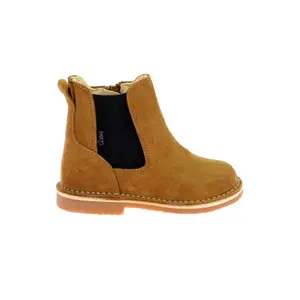
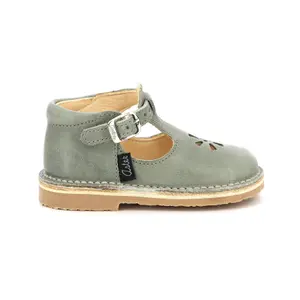
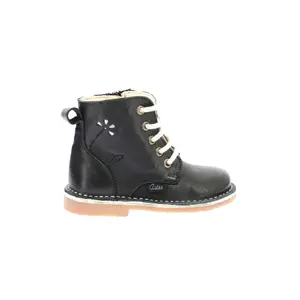
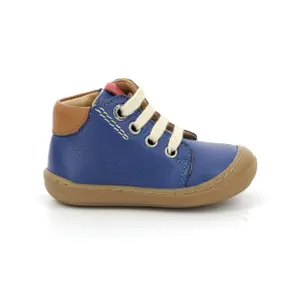
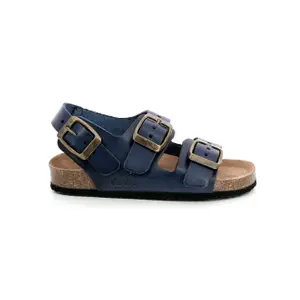
A French brand founded in 1913 and devoted entirely to children, Aster makes shoes for little feet from their first steps through to primary school. Soft leather, soles suited to every stage of walking and shapes designed for growing feet: parents know the brand for its ankle boots, openwork sandals and smart shoes for children.
More than a century caring for little feet.
Aster, a French children’s footwear specialist
Founded in 1913, Aster built its reputation on leather children’s shoes, designed to support growing feet rather than follow fashion. Its openwork leather sandal, launched in 1950, became a classic and remains one of the brand’s signature styles.
Taken over by French group Royer in 2009, the brand organises its collections by age: soft shoes for the very first months, first-walker styles with extra support, then ankle boots, trainers and sandals for nursery and primary school. This step-by-step approach helps parents choose a style suited to their child’s walking ability, not just their age.
Other children’s footwear brands for the new school year
Aster shares the back-to-school season with several specialist brands, each with its own signature style. Kickers bring the spirit of the French high-top, first made in 1970, while Geox offer their breathable soles for feet that get hot in the classroom. Young Soles offer leather styles designed in London, while Birkenstock are known for their cork-footbed sandals and clogs.
Which Aster shoe to choose at each walking stage
Before a child can walk, shoes have just one job: keeping their feet warm. A style with a very flexible sole, one that bends all the way by hand, lets their toes move and their feet feel the ground. Going barefoot at home is still the best way to learn.
For first steps, when a child walks outdoors on their own, the shoe should hold the heel with a firm heel counter, come slightly over the ankle and have a non-slip sole that bends at the front, around the toes. A few months later, once they’re walking steadily, they can move on to more structured styles, such as ankle boots or trainers, that can take the knocks of running around the school playground.
Sizing and caring for Aster leather shoes
To find the right size, trace around your child’s foot while they’re standing on a sheet of paper, measure from the heel to the longest toe and add a growing-room allowance of about one centimetre. Then compare this with the brand’s size guide in centimetres, and check that the heel doesn’t slip when your child walks once the shoes arrive.
Leather can be nourished with a colourless cream or one that matches the shoe, after brushing off any dust. If a pair gets wet, dry it stuffed with newspaper, away from radiators, which can crack the leather. Clean openwork sandals with a damp cloth, and don’t put them in the washing machine, as this could warp the sole and loosen the leather.
Buying Aster shoes for your child throughout the year
Children go up several shoe sizes a year, and the shopping calendar can help you buy another pair of Aster shoes without waiting until the next back-to-school season. Black Friday is a good time to shop for winter boots, while the festive season is a chance to give a pair of first-walker shoes. Then the winter sales clear the last sizes. The spring French Days and summer sales are a good time to pick up openwork sandals before school starts again. Deals and clearance bring together end-of-line styles, while new arrivals feature the latest designs.
Frequently asked questions
Do Aster shoes come up large or small?
The fit varies from one style to another, whether it’s an openwork sandal or a high-top ankle boot. The safest option is to compare your child’s foot length in centimetres with the brand’s size guide, rather than using the size of another pair.
At what age should a baby wear proper shoes?
When they start walking on their own outdoors, usually between twelve and eighteen months. Before then, indoors, bare feet or soft slippers help them feel the ground better and strengthen the arch of the foot.
Can you pass Aster shoes down to a younger child?
A lightly worn leather pair can be reused, but check that the insole hasn’t kept the imprint of the first child’s foot and that the heel counter is still firm. For first steps, a new pair is still preferable.
How can you tell if a first-walker shoe is too small?
With your child standing, press your thumb at the front of the shoe: you should feel about a finger’s width of space in front of the big toe. Red marks on the top of the foot or a child who suddenly refuses to walk are other signs to look out for.
Should you waterproof Aster ankle boots for winter?
A leather waterproofing spray, applied to a clean, dry pair, helps protect them from puddles in the playground. Reapply it every few weeks in winter, and always after a thorough clean.













