
Geox children’s shoes that let feet breathe
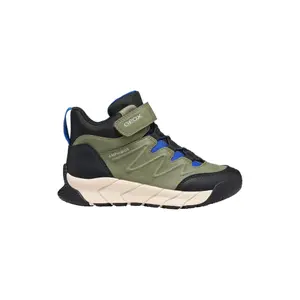
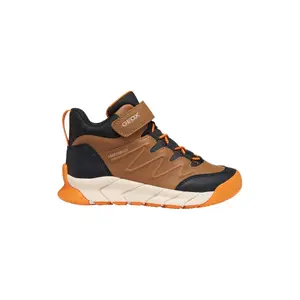


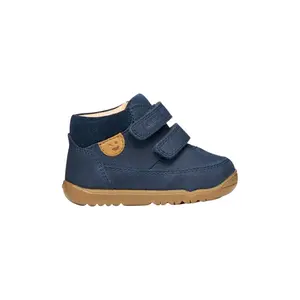


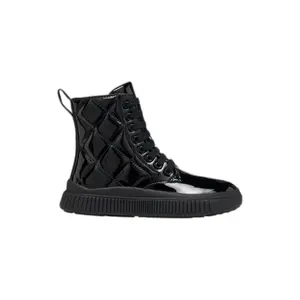

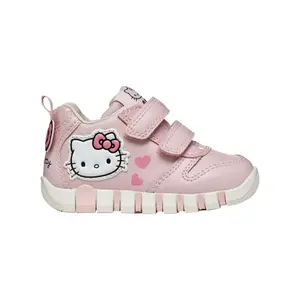


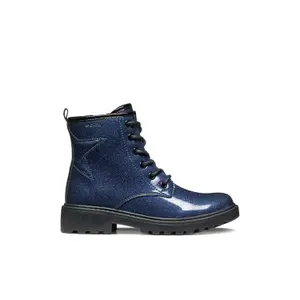


Founded in 1995 in Montebelluna, Italy, Geox built its reputation on a simple idea: a perforated sole lined with a membrane that lets sweat escape while keeping water out. For a child who wears their shoes from morning until the end of the school day, keeping their feet breathable matters just as much as support or style.
Dry feet, from playtime to the journey home.
How the Geox breathable sole works
The story of Geox began with a hot foot. During a trip to Reno, Nevada, Mario Moretti Polegato pierced the rubber soles of his shoes to let air through. He then filed a patent and founded the brand in 1995 in Montebelluna, near Treviso, a major centre for sports shoes, with a name that combines the Greek geo, meaning earth, and the letter X, a symbol of technology.
The principle is based on a perforated sole protected by a microporous membrane: its pores, smaller than a drop of water but larger than a water vapour molecule, let perspiration escape while keeping out moisture from the ground.
Geox and other children's shoe brands
Geox sits alongside other brands, each with something to offer for the new school year. Kickers focus on leather ankle boots with a French feel, while Aster draw on expertise in children's shoes dating back to 1913. Young Soles offer school shoes designed in London, while Birkenstock bring cork footbeds for warmer days.
Why children's feet need to breathe
Children are always on the move, and their feet, shut inside the same pair of shoes all day, sweat a lot. This moisture softens the skin, encourages blisters and odours, and makes feet cold as soon as a child stops running, especially in the playground in winter.
A shoe that lets water vapour escape keeps the foot drier and at a steadier temperature. It doesn't do everything: cotton or wool socks, rather than synthetic ones, help prolong the effect, and alternating between two pairs gives each one a full night to dry. You can also remove the insole, when it is removable, to air it out over the weekend.
Which Geox shoe size should you choose for your child?
Fit varies from one shape to another, and the best method is to measure the foot. Have your child stand with their heel against a wall, on a sheet of paper. Mark the tip of their longest toe and measure it; repeat on the other foot, which is often a slightly different size, and use the longer measurement.
Then add a little room for growth—around one centimetre—and check the brand's size guide, which uses centimetres. When trying the shoes on, your child should be able to wiggle their toes, and the heel should not lift as they walk. Velcro fastenings, common on smaller Geox sizes, let you adjust the fit across the instep, but they won't make an oversized shoe fit properly.
Geox children's shoes and the year's sale events
Children often need a new pair of Geox shoes during the year as they move between sizes, and a few shopping events are well timed for this. Black Friday comes in time for winter shoes, the festive season is a good time to slip a pair under the tree, and then the winter sales take over. The spring French Days and summer sales mark the start of sandal season, before the new school year. End-of-line styles, special offers and new arrivals are available all year round.
Frequently asked questions
Are Geox children's shoes waterproof?
The breathable sole keeps water out from below, but full waterproofing also depends on the upper and the seams. Only models described as waterproof are designed for jumping in puddles.
Can you machine-wash Geox shoes?
It's best to avoid it: hot water, spinning and detergent can damage the membrane and the adhesive. Clean the upper with a brush and a damp cloth, then leave the shoes to dry at room temperature.
Why shouldn't you dry Geox shoes on a radiator?
Direct heat can harden leather, warp synthetic materials and loosen the sole from the membrane. Instead, stuff the shoes with newspaper and leave them to dry overnight in a well-ventilated room.
Does Geox offer first-step shoes?
The brand also makes shoes for toddlers, with styles that are softer and lighter than its school shoes. Check that the sole bends at the front and that the heel counter holds the heel firmly.
How can you keep children's shoes from smelling?
Alternate between two pairs, change socks every day and air removable insoles. A little bicarbonate of soda left in the shoe overnight and shaken out afterwards will absorb any remaining moisture.











