
Back-to-school shoes for children, from the playground to the gymnasium


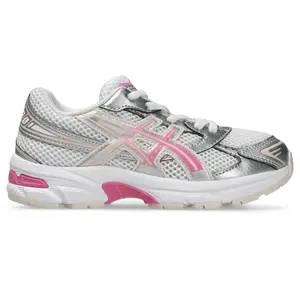

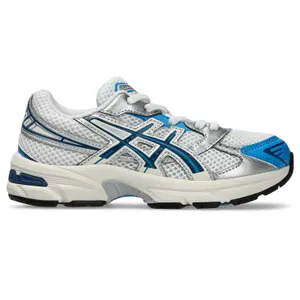

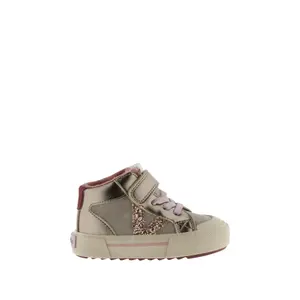
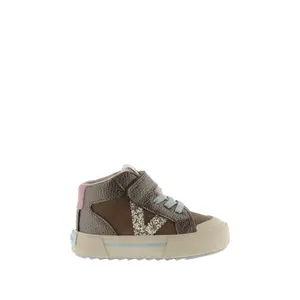


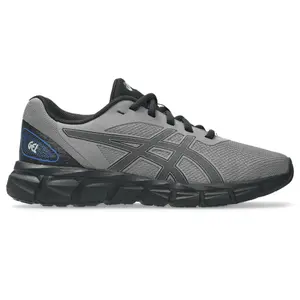


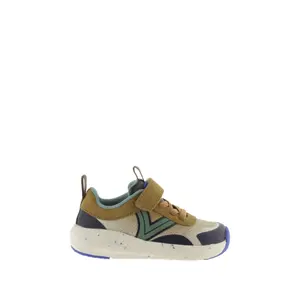
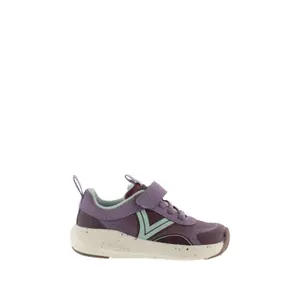
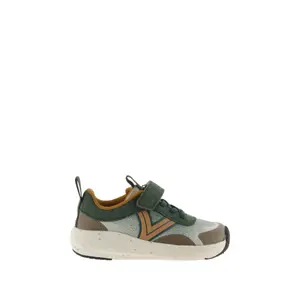
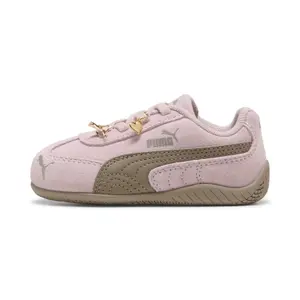


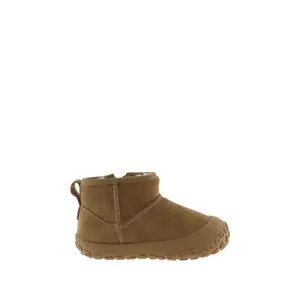
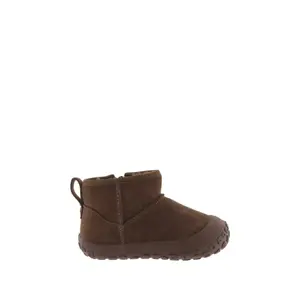


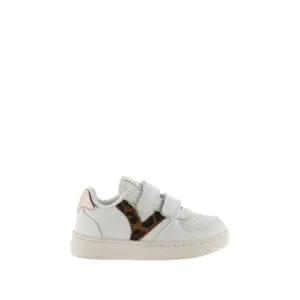
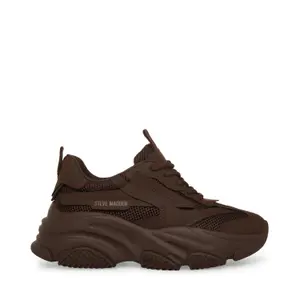


A pair of children’s shoes chosen for the new school year needs to last through a year of playtimes, journeys and running around. The range includes the Asics Gel-1130 and Gel-Quantum Lyte trainers, the Victoria Tribu, the Gola Viper with touch-fastening straps and the Skechers Garage, as well as children’s shoe brands Geox, Kickers, Aster, Young Soles and Birkenstock.
A good pair for the whole school year.
What shoe size should you allow for to last the whole school year?
At the start of term, it’s tempting to buy shoes two sizes too big: that’s a mistake, because a foot that floats around tenses up, rubs and causes trips. A good guide is a gap of about one centimetre between the end of the big toe and the tip of the shoe. Check this by placing the insole under your child’s foot.
Measure the foot at the end of the day, while your child is standing, and compare the measurements in centimetres rather than shoe sizes, as sizing varies from one brand to another. Before the age of two, feet often grow by one shoe size every two to three months; after that, allow for one size every four to six months. Check again at the October half-term to spot shoes that have become too small before your child complains.
Birkenstock, Kickers, Aster, Young Soles, Geox: children’s shoe brands
- Birkenstock brings together sandals and clogs built around the German brand’s cork footbed, in children’s sizes.
- Kickers brings together the French brand’s high-tops and smart shoes, with its colourful labels. The brand was founded in 1970.
- Aster showcases the expertise of a French children’s footwear maker founded in 1913, with shoes for every step from first steps to school.
- Young Soles offers leather designs created in London, from school shoes to ankle boots.
- Geox brings together shoes with breathable soles from the Italian brand, for feet that get sweaty.
Trainers, sandals, ankle boots: a pair for every time of year
Trainers are the classic school shoe. First released in 2008 as a stable running shoe and relaunched in 2021, the Asics Gel-1130 has made its way into playgrounds with its GEL cushioning and retro look. It comes in PS for mid-range sizes and GS for larger sizes. The Skechers Garage and the glittery Gola Viper Glimmer Strap add to the choice.
Victoria, a Spanish brand founded in 1915 in La Rioja, brings canvas and vulcanised rubber to the Tribu, which is also available with elastic laces. When the first cold weather arrives, ankle boots from Blundstone, founded in 1870 in Hobart, Tasmania, take over, while sandals with hook-and-loop fastenings are ideal for warm days in September and June.
Hook-and-loop fastenings, elastic or laces: helping children be independent at school
At nursery, children put their shoes back on by themselves after nap time or a movement session, so the fastening matters just as much as the style. Hook-and-loop fastenings, found on the Gola Viper Strap and Victoria sandals, open and close in one simple movement. Elastic laces turn lace-up trainers into slip-on shoes.
Traditional laces are better for children who can tie their own laces, usually around the age of five or six. For the playground, look for a grippy rubber sole, a reinforced toe that can stand up to sudden stops, and a breathable lining. For PE, check the teacher’s list: some schools ask children to bring a separate pair for the gym, with non-marking soles.
Back-to-school shoes and when to find the best deals
The start of term isn’t the only time to buy shoes for your child, and their growth often means they’ll need a second pair during the year. Black Friday comes at just the right time for winter ankle boots, while the festive season is a good time to give a pair of trainers. Then the winter sales take over. The spring French Days and summer sales are a chance to get ready for sandals and the next school year. New arrivals showcase the latest styles, while great deals and clearance offer the last few sizes.
Frequently asked questions
Do I need to buy new shoes at the start of every school year?
Not necessarily: if there’s still more than half a centimetre of room at the toe and the sole isn’t worn down on one side, the pair should last until autumn. Shoes misshapen by an older child are not a good hand-me-down, because they have taken the shape of someone else’s foot.
How many pairs of shoes should I get for school?
Two pairs are often enough: trainers for everyday wear and the playground, and a more protective pair for rain or cold weather. Taking turns gives each pair time to dry between days and helps them last longer.
How can I make school trainers last until summer?
Teach your child to undo the hook-and-loop fastening or loosen the laces before taking their shoes off, rather than crushing the heel with their other foot. Leave wet shoes to dry away from the radiator, or the rubber may crack.
Which shoes should I choose for a child with wide feet?
Look for wide-fitting styles, such as the Victoria Tribu in the Horma Ancha version, or hook-and-loop styles with a strap that adjusts over the instep. Try them on at the end of the day and check that the little toe doesn’t touch the side.
Are canvas trainers suitable for winter?
Vulcanised canvas is breathable but lets moisture through, so it is best suited to the period from September until the first wet weather. In winter, leather or coated synthetic trainers will keep feet drier.











