Sweatshirts and jumpers for girls on Black Friday
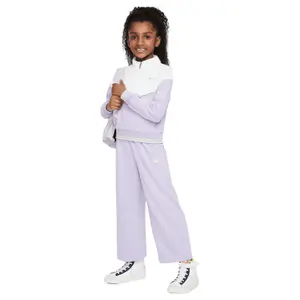
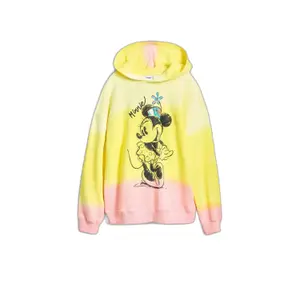
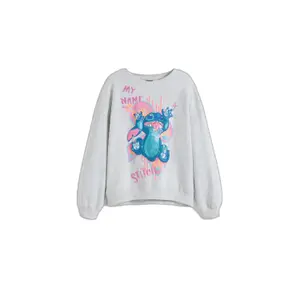

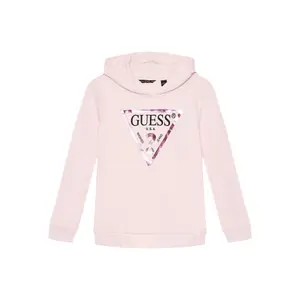
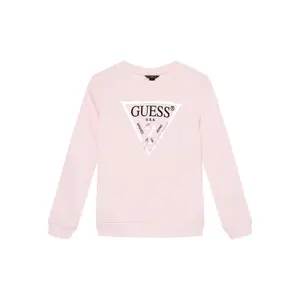
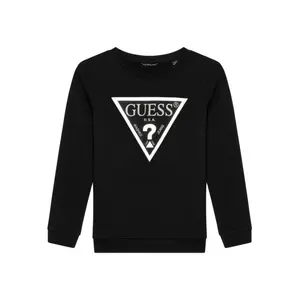
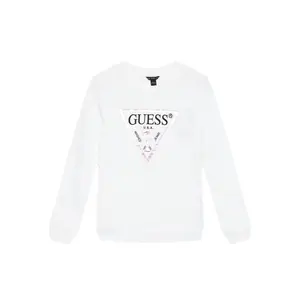
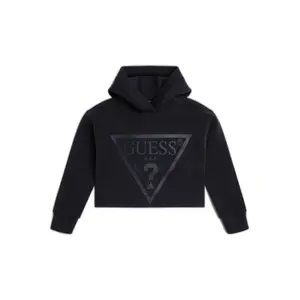
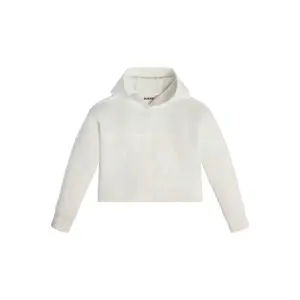
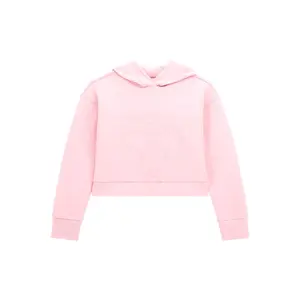
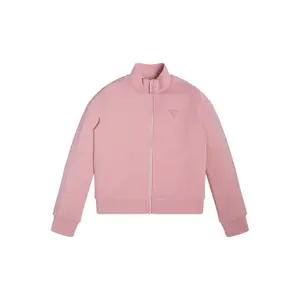
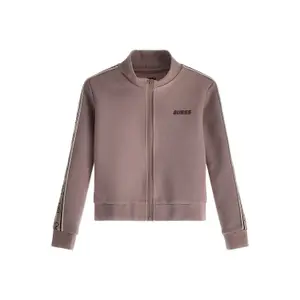
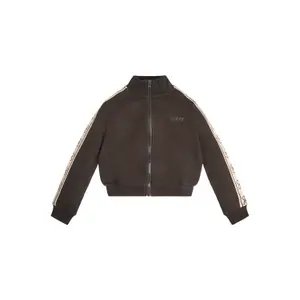

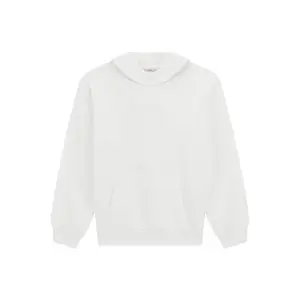
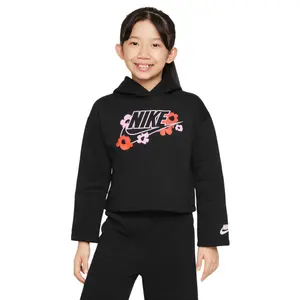
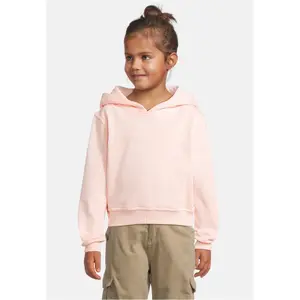
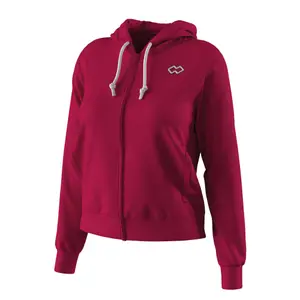
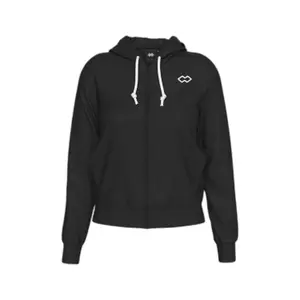
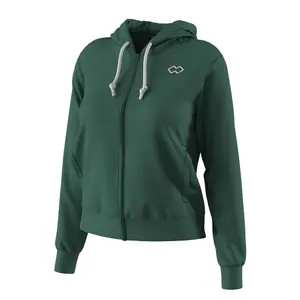
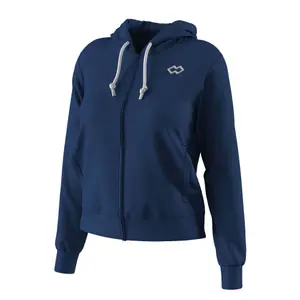
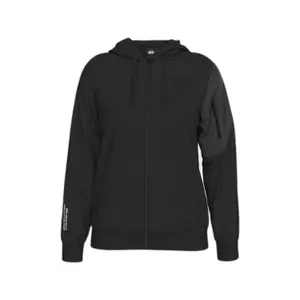
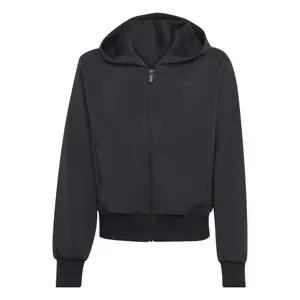
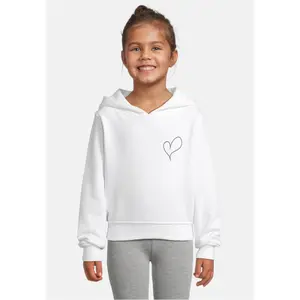
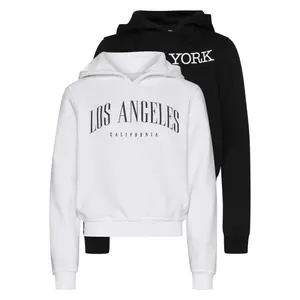
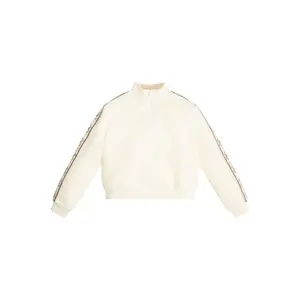
The girls’ sweatshirts and jumpers in the Black Friday sale come just as winter sets in: sweatshirts by Danish brand Sofie Schnoor, a Guess hoodie—the brand was founded in Los Angeles in 1981—a Kite sleeveless jumper to wear over a blouse, as well as zip-up sweatshirts, crew-neck styles and sweatshirts with rhinestones for older girls.
Warm, soft and ready for playtime.
Sweatshirt or jumper: the difference between fleece and knitwear
A sweatshirt is made from fleece, a cotton jersey with a looped or brushed back to trap air: it is soft, hard-wearing, washable at thirty degrees and can handle playtime as well as trips to the park. A jumper, on the other hand, is knitted from cotton, wool or a blend of fibres; it is warmer at the same thickness, but needs more careful washing.
For school, the sweatshirt wins for durability; for special occasions or very cold days, a fine-knit jumper, or a sleeveless jumper worn over a shirt, makes for a smarter outfit.
Girls’ T-shirts, dresses and trousers on offer
Under a sweatshirt, girls’ T-shirts make the first layer, with long sleeves in winter. A jumper goes just as well with girls’ dresses and skirts as with girls’ trousers and jeans, from joggers to straight-leg jeans.
Hoods and cords: what the rules say about children’s clothing
Children’s clothing cords are covered by the European standard EN 14682, which applies to children up to the age of fourteen. Up to the age of seven, or a height of around 134 cm, no drawcords or decorative cords are allowed in the hood or around the neck: a cord caught on a slide, car door or bus door can cause strangulation.
Between the ages of seven and fourteen, short cords are still allowed, within the strict length limits set by the standard. So for a young girl, choose a hooded sweatshirt without a cord; if an older or second-hand style has one, remove it.
How to wash a jumper without it bobbling or shrinking
Bobbling is caused by friction: short fibres come loose and roll into little balls, especially at the elbows and under the arms. Wash jumpers and sweatshirts inside out, in a lightly loaded machine, away from jeans and garments with zips, and remove bobbles with a fabric shaver rather than your fingers.
Wool shrinks when exposed to heat and agitation: use a cold or thirty-degree wool cycle, a gentle spin, then dry flat on a towel, reshaping it by hand. Air-dry a cotton sweatshirt, as tumble-drying often makes it shrink in length.
From Black Friday to French Days: when to replace sweatshirts and jumpers
At Black Friday, winter sweatshirts and jumpers are in high demand, just before the festive season calls for a smarter jumper for family meals. The winter sales are a chance to replace knitwear in the depths of winter, the spring French Days bring lightweight sweatshirts for the change of season, the summer sales clear end-of-line stock, and the start of the school year puts hooded sweatshirts back on schoolgirls’ backs. Special offers and clearance bring together the last remaining sizes.
Frequently asked questions
Which jumper should I choose for a girl with sensitive skin?
Avoid regular wool next to the skin, as it can often feel itchy, and opt for cotton, fine merino or a soft blend. If needed, put a cotton T-shirt underneath, and use an unscented detergent for washing.
How many sweatshirts should I get for a week at school?
Two to three sweatshirts or jumpers are usually enough to last between washes, alternating with a cardigan. For nursery, add one to her change bag, as paint and lunch can quickly leave marks.
Zip-up or pullover: which style is more practical?
A zip-up is easy to take off and put back on without messing up her hair or struggling with the neckline, which is a real plus for little ones whose temperature changes often between the classroom and the playground. A pullover, with no fastening, is sturdier and won’t pinch her chin.
How can I stop a printed design from getting damaged in the wash?
Turn the garment inside out before washing, choose a maximum of thirty degrees and a moderate spin, and never iron directly over the print: iron it on the reverse. Sewn-on sequins and glitter hold up better in a laundry bag.
What size should I choose so a sweatshirt lasts all winter?
Choose the size that matches your daughter’s height, or the next size up if she is at the top of her size range: a slightly loose sweatshirt works well with the sleeves rolled up. More than one size up, and the sleeves will cover her hands and get in the way of writing.