
Aster shoes for babies and children
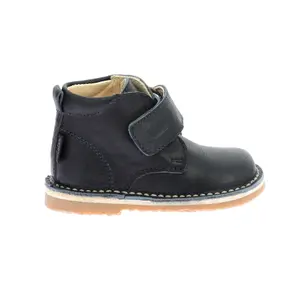
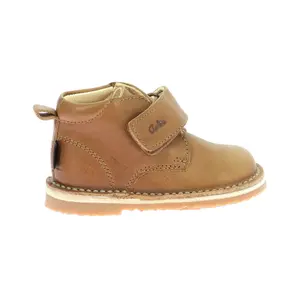
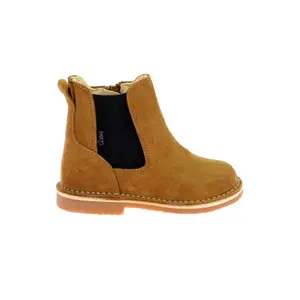
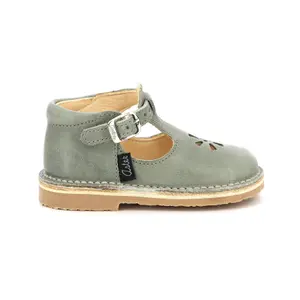
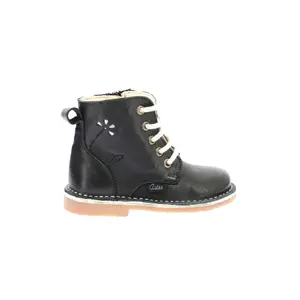
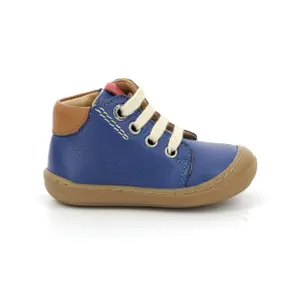
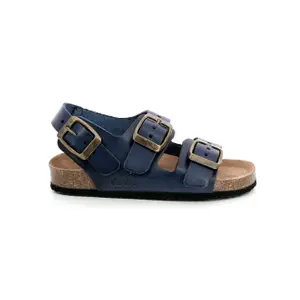
Sneakids’ Christmas Shop brings together gifts from trusted brands ahead of the festive season. Aster shoes are among them: this French footwear brand has been specialising in children’s shoes since 1913, from first-walker shoes to school boots, including a Mary Jane sandal that has become a playground classic.
French craftsmanship, one shoe size at a time.
A French children's shoe brand since 1913
Aster was founded in 1913 and first made a name for itself by making children's shoes. Since 1986, the brand has focused exclusively on high-end children's footwear, a rare choice in an industry where most manufacturers adapt their adult designs to smaller sizes. Taken over in 2001 by the Gironde-based company Renaudin, it joined the Royer Group, a French footwear company, in 2009. Its centenary was celebrated with a design competition inspired by its most famous style. A century spent making shoes for growing feet is reflected in its designs: rounded toes that leave room for the toes, soft leather and easy-to-adjust fastenings.
Other children's shoe brands in the Christmas Shop
To compare different styles, Kickers shoes also include first-step styles and leather ankle boots. Geox shoes focus on their breathable soles, while Blundstone boots feature Chelsea styles with elasticated gussets that slip on without laces. For home and the beach, Crocs clogs complete the wardrobe.
The Dingo, a Mary Jane with six flower-shaped perforations
Aster's best-known style is the Dingo, launched in 1950: a closed leather sandal in a Mary Jane style, recognised by the six flower-shaped perforations on the front of the foot. Its strap across the instep holds the shoe in place without being tight, while its closed toe protects the toes from knocks, making it a sandal accepted at many nurseries and schools that don't allow open-toed shoes. The perforations let the feet breathe on hot days while keeping the look of a dress shoe. Passed down from generation to generation, Aster's Mary Jane sandal has become one of the most familiar styles in French school playgrounds.
First steps in Aster: what to check
Buy the first proper pair when your child can take a few steps outside on their own, not before: walking barefoot or in soft slippers at home helps strengthen the arch of the foot. Check three things in this first pair. A flexible sole that bends easily at the front, where the foot flexes, but isn't soft in the middle. A firm heel counter at the back that holds the heel without squeezing the ankle. A wide opening, with a hook-and-loop fastening or laces, that lets you slip the foot in without curling the toes. Measure the foot while your child is standing, since they put their full weight on it, and leave about a centimetre between the big toe and the end of the shoe.
Giving Aster shoes throughout the year
Children's feet grow quickly, and each key time of year calls for a different pair. Black Friday and the end-of-year holidays are a good time to buy winter ankle boots, while the winter sales are a good time to replace a pair that's become too small. The spring French Days and summer sales come before sandal season, then the start of the school year calls for new school shoes. The new arrivals showcase the brand's latest styles.
Frequently asked questions
Do Aster shoes come up true to size?
Aster uses French sizing, but the fit varies between styles. Measure your child's foot while they're standing, at the end of the day, then allow about a centimetre of extra room.
Is a closed sandal suitable for nursery?
Yes, it's often the style requested: the closed toe protects the toes and the strap holds the heel in place during play. Check the nursery's rules, as some don't allow open sandals.
How do you care for children's leather shoes?
Wipe off dust with a soft cloth, condition the leather with a colourless cream from time to time, and leave wet shoes to dry naturally, away from radiators, which can crack the leather.
Do first-step shoes need a high-top?
It's not essential: it's the heel counter that stabilises the heel, not the height of the shoe. A high-top is still useful in winter to keep the ankle warm.
Can Aster shoes be passed down to a younger sibling?
Podiatrists advise against passing on shoes that have already been shaped by another child's walking. However, a pair that's been worn very little, with an intact sole and a firm heel counter, can be used again.













