
Geox shoes for girls and boys
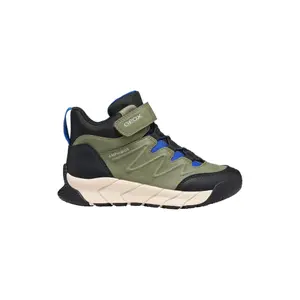
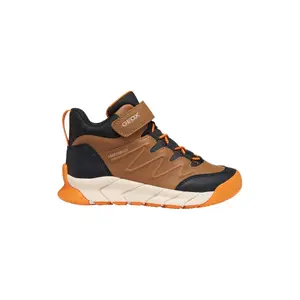


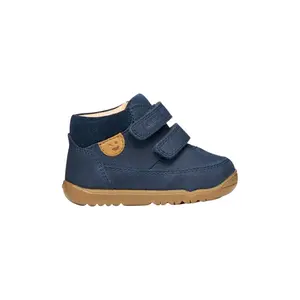


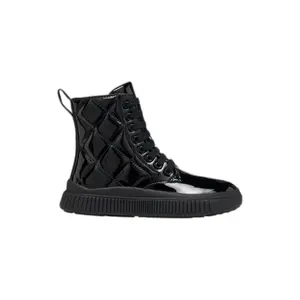

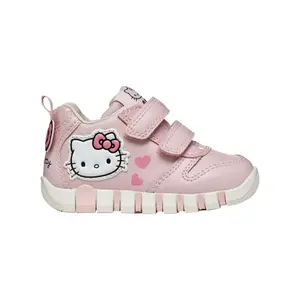


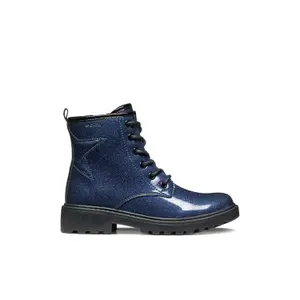


In the weeks leading up to the festive season, Sneakids’ Christmas Shop brings together gifts from well-known brands. Geox children’s shoes have their place here: founded in Montebelluna in 1995, the Italian brand built its success on a perforated sole that lets sweat escape without letting water in, and its very first shoe was designed for children.
Breathable shoes, from nursery to secondary school.
The breathable sole, born on a hike in Nevada
The idea for Geox came from Mario Moretti Polegato. While hiking in Reno, Nevada, bothered by the heat, he made holes in the soles of his shoes to let his feet breathe. Back in Veneto, he puts together a perforated rubber sole lined with a membrane that lets sweat vapour out but keeps water out. He founded Geox in 1995 in Montebelluna, the historic home of Italian sports shoes, and the first shoe to go on sale was part of a children’s collection. The patent was later extended to leather soles, and the brand’s technology is now protected by dozens of patents.
Other shoe brands at the Christmas Shop
For comparison, Kickers shoes include ankle boots and first-steps styles, while Aster shoes showcase the expertise of a French children’s shoe brand dating back to 1913. For school and sport, adidas trainers include hook-and-loop styles, and for rainy days, there are leather Blundstone boots.
Why children’s feet need to breathe
Children move around a lot and their feet sweat more than you might think: the sole of the foot has a very large number of sweat glands. Trapped in a school shoe all day, this moisture softens the skin, encourages rubbing and odours, and makes the foot cold as soon as the child stops running. The Geox sole lets some of this vapour escape through the bottom, where a standard shoe would trap it. That’s why the brand uses its technology across its children’s range: trainers for the classroom and playground, lined ankle boots for winter, and sandals for summer. Some styles also have a waterproof membrane in the upper, noted on the product page, for rainy days.
Measure your child’s foot before ordering a pair of Geox shoes
Parents often wonder whether Geox shoes come up large or small. The most reliable approach is to measure your child’s foot rather than go by the size of their previous pair. Ask your child to stand on a sheet of paper with their heel against a wall, mark the spot in front of their longest toe and measure the distance in centimetres. Do this at the end of the day, when the foot has swollen slightly, and measure both feet: they often differ by a few millimetres. Use the longer measurement, add about a centimetre of room, then compare it with the brand’s size guide. A French shoe size is equivalent to two-thirds of a centimetre: if your child is between sizes, choose the larger one if they’re growing quickly.
When to replace your child’s Geox shoes
Each key time of year brings a different need. Black Friday and the Christmas season call for lined ankle boots, then the winter sales are a chance to replace a pair that has become too small. The spring French Days and summer sales mark the start of sandal season, while back-to-school time means trainers for school. The clearance brings together end-of-line colours.
Frequently asked questions
Are Geox shoes suitable for children whose feet sweat a lot?
That’s what they’re designed for: the perforated sole and its membrane let some of the moisture out. Pair them with cotton socks and leave the shoes to dry overnight between school days.
Is a Geox shoe waterproof?
Not necessarily: the breathable sole keeps water out from underneath, but the upper may be made of canvas or untreated leather. Only styles with a waterproof membrane in the upper can withstand puddles.
How do you clean a pair of Geox shoes?
Brush the sole to clear the perforations, then wipe the upper with a damp cloth and a little mild soap. Avoid putting them in the washing machine, as this can damage the membrane and loosen the sole.
Should you choose hook-and-loop fastenings or laces for nursery?
Hook-and-loop fastenings are the most practical until your child can tie their laces, often until they’re five or six. They can put their shoes on by themselves after a nap or a movement session, without having to wait for an adult.
Does Geox offer shoes for first steps?
Yes, the brand designs flexible styles for children who are starting to walk, with a wide opening and a heel counter to hold the heel in place. Wait until your child can walk unaided outdoors before buying them.











