
Kickers shoes for babies and children
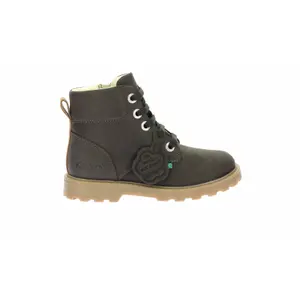
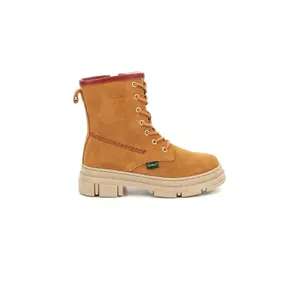
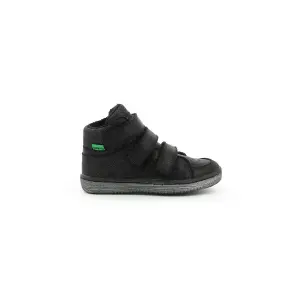
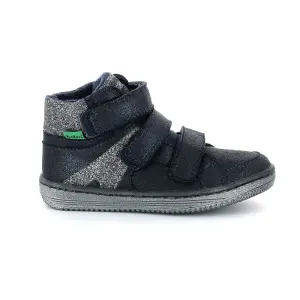
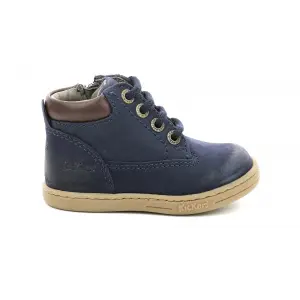
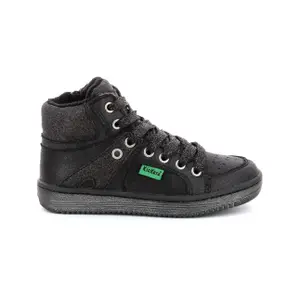
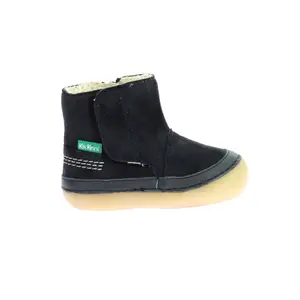
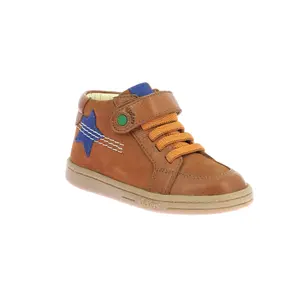
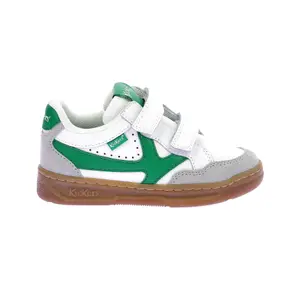
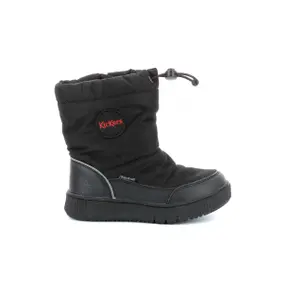
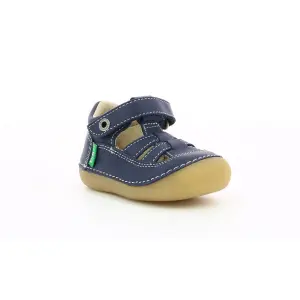
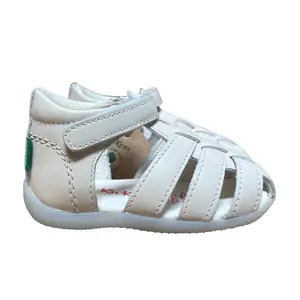
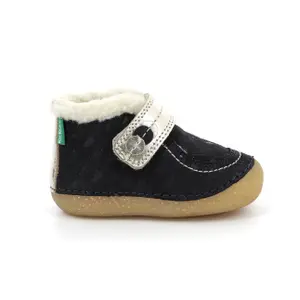
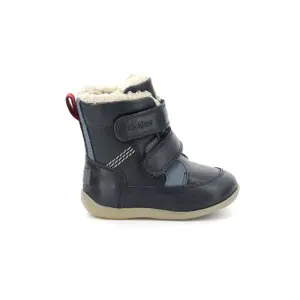
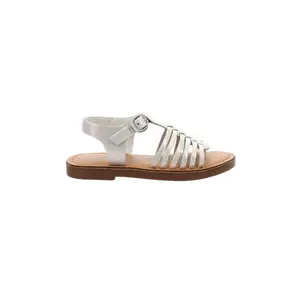
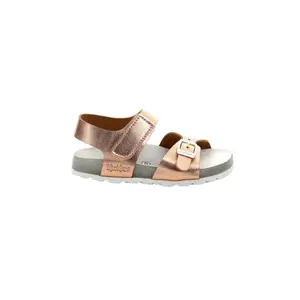
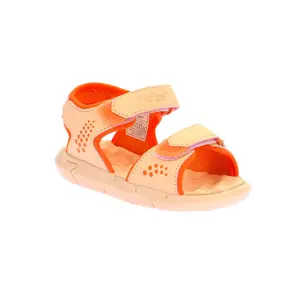
In the weeks leading up to the festive season, the Sneakids Christmas Shop features gifts from brands with a rich history. Kickers children's shoes are one of them: the French brand was founded in 1970 with a simple idea: a shoe to wear with jeans. Today, it makes shoes for children from their very first steps.
From first steps to school boots.
1970, a shoe for the blue-jean generation
Kickers was born in France in 1970. Daniel Raufast came across a poster for the musical Hair, showing young people in jeans posing barefoot. He imagined a shoe designed for this generation, to wear with denim. Designer Jacques Chevallereau drew the first jean boot, a casual ankle boot that stood out from the formal shoes of the time. Its success was immediate: according to the brand, production rose from a few hundred to several thousand pairs a month in a single season, and the shoes were being sold in more than seventy countries by 1974. This origin explains a style that remains recognisable, somewhere between a city ankle boot and a casual shoe.
Other shoe brands at the Christmas Shop
For comparison, Aster shoes come from a French shoe brand dedicated entirely to children, while Geox shoes feature breathable soles. Blundstone boots offer a leather Chelsea boot that’s easy to slip on, while Victoria trainers are a lightweight canvas option for spring.
From the Kick Hi to first walking shoes
Five years after the brand was founded, in 1975, came the Kick Hi, a high-top leather ankle boot that would become Kickers’ best-known style. It was adopted in the eighties and nineties by Manchester’s music scene. Children’s styles carry on this spirit: leather ankle boots for autumn and winter, trainers for the playground and sandals for summer. For little ones, the brand designs first walking shoes with flexible soles and firm heel counters, with wide-opening hook-and-loop or lace fastenings. This range covers all of childhood, from the first step in the garden to secondary school sizes.
What Kickers size should you get for a growing child?
Before the age of three, a child’s foot grows very quickly: podiatrists often say they go up about one shoe size every three or four months, before growth slows once they start school. So check the size before every purchase, even if the previous pair still seems to fit. Measure the foot while standing, at the end of the day, from the heel to the tip of the longest toe, then add about one centimetre for walking and growth. A French shoe size is two-thirds of a centimetre, or barely seven millimetres. Shoes that are too big aren’t a saving: the foot slides forwards, the child curls their toes to keep the shoe on and trips more often.
When to shop for your child’s Kickers
Black Friday and the festive season are good times to buy winter leather ankle boots, then the winter sales are a chance to replace a pair that has become too small. The spring French Days and summer sales signal the start of sandal season, before the new school year brings school shoes back into focus. The new arrivals showcase the brand’s latest styles.
Frequently asked questions
Do Kickers fit like other brands?
The brand uses French shoe sizes, but the fit varies between a leather ankle boot and a sandal. Measure the foot and compare its length with the size guide rather than going by age.
When should you buy a child’s first pair of shoes?
When they can take a few steps outside on their own. Before then, walking barefoot or in soft slippers at home helps strengthen the arch of the foot and develop their balance.
How do you care for Kickers leather ankle boots?
Dust them with a soft brush, condition the leather with a suitable cream and leave wet shoes to air-dry. Stuff them with newspaper so they keep their shape.
Is a high-top ankle boot better for the ankle?
A high-top keeps the ankle warm and stops gravel getting into the shoe. However, most of the support comes from the heel counter at the back, which should stay firm when you pinch it.
How many pairs should you plan for a school year?
Allow at least one closed pair for winter and a lighter pair for spring, checking the size in between. Having a second pair lets each pair dry out every other day.













