
Baby bodysuits, from birth to two years old
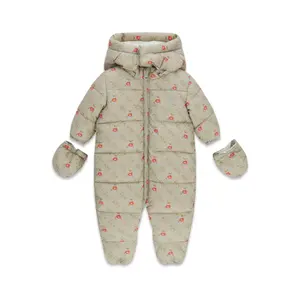
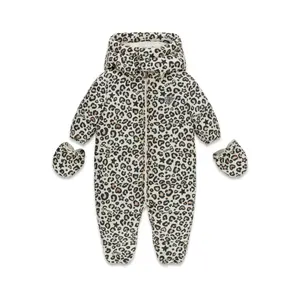
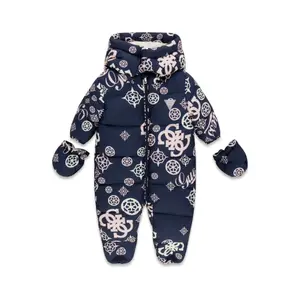
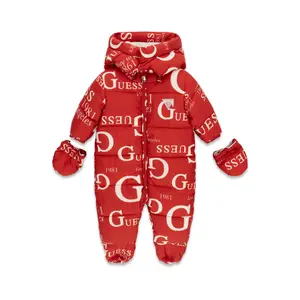


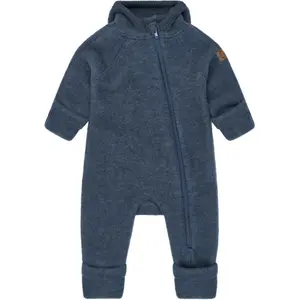
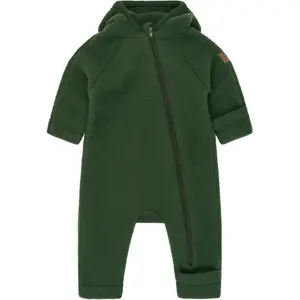
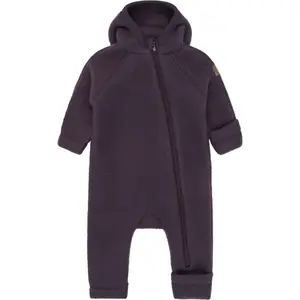

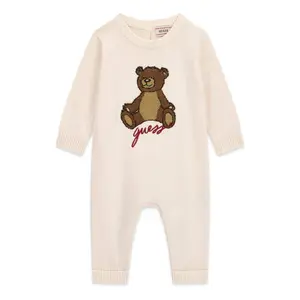

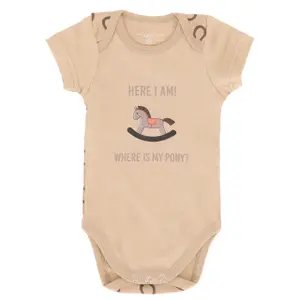


The baby bodysuit is the very first item in the wardrobe: worn next to the skin, it stays in place under trousers, never rides up over the tummy and fastens with poppers at the crotch so you can change the nappy without undressing your child. Short sleeves in summer or as a base layer, long sleeves when it’s chilly, in a multipack for the week or a smarter style for a visit: here are bodysuits by Name it, Guess and Nike.
Choose a bodysuit by size, not age.
Wrap-over or envelope neck depending on age
For a newborn, a wrap-over bodysuit, also called a crossover bodysuit, is the easiest to put on: it opens fully at the front and fastens with poppers at the side, so you never have to pull it over a baby’s head when they can’t yet hold it up. During the first few weeks, when you change a baby several times a day, this small detail can prevent a lot of crying.
Once their neck is stronger, the envelope neck takes over: the shoulders overlap and the opening widens so you can get it over their head without forcing it. It has another, less well-known advantage for new parents: after a nappy has leaked, you can slide the bodysuit down over the shoulders instead of pulling the soiled garment up over their face.
Trousers, all-in-ones and sleeping bags: what to wear over a bodysuit
The bodysuit is the base layer, and each piece that goes over it has its own page. On top, baby T-shirts add a print or another layer, while baby trousers and dungarees cover the legs without squeezing the tummy. For a coordinated look in one go, the Baby outfit sets page brings together matching tops and bottoms. Outdoors, all-in-ones and baby jackets protect against the cold, and at night, sleeping bags are worn directly over the bodysuit.
Cotton, ribbed fabric and the OEKO-TEX label: what bodysuits are made of
A bodysuit is against the skin from morning to night, and sometimes at night too: its fabric matters more than its print. Cotton jersey remains the go-to choice: it’s soft and breathable. Ribbed knit is more stretchy, fitting the body without feeling tight and moving more easily with a baby who is starting to crawl. Organic cotton limits chemical treatments during growing, without changing how it feels to wear.
The most useful thing to look for is the OEKO-TEX Standard 100 label in class I, the strictest of the four: it applies to products for babies and young children up to three years old and sets stricter limits for harmful substances than for adult clothing. Guess also makes a bodysuit in poplin, a crisper, smarter fabric than jersey.
Which bodysuit size to choose from birth to 24 months
Sizes in months correspond to height in centimetres, which is much more reliable than age: newborn size is for around 50 cm, one month 54 cm, three months 60 cm, six months 67 cm, twelve months 74 cm, eighteen months 81 cm and twenty-four months 86 cm. A baby who is tall for their age will therefore need the next size sooner than expected.
The signs are clear: when the crotch poppers come undone as soon as your child stretches, or the bodysuit pulls at the shoulders, it’s time to size up. Multipacks, such as Name it’s packs of two or three long-sleeved bodysuits, make sure you have enough for the week; save the printed styles from Nike or Guess, made from thicker fabric, for days when the bodysuit will be on show.
Buying bodysuits in multipacks during sales
A baby gets through several bodysuits a day, and sales are a good time to stock up in the next size. The Black Friday sale at the end of November, followed by the Christmas holidays, is a good time to buy bodysuits as new baby gifts. The winter sales let you get ahead of summer short sleeves, while the French Days in spring are a good time to buy long sleeves for autumn. During the summer sales and back-to-school period, the clothing clearance page offers end-of-line items, and special offers brings together the latest deals.
Frequently asked questions
How many bodysuits should I get ready for a new baby?
Allow for six to eight bodysuits in each size for the first few months, as nappies need changing often and babies spit up too. Don’t buy many newborn-size bodysuits: lots of babies outgrow them in a few weeks, so it’s better to get more in one- or three-month sizes.
What bodysuit should a baby wear when it’s very hot?
In summer, a short-sleeved bodysuit in lightweight cotton is often enough at home, worn on its own with a nappy. When it’s over 24 degrees, keep your child in the shade and check the back of their neck: if it feels damp, they’re wearing too many layers.
Why choose a bodysuit instead of a simple T-shirt for a newborn?
A bodysuit doesn’t ride up when you carry your child or lay them down: their tummy and lower back stay covered at all times. It also keeps the nappy in place, which helps prevent leaks, and the poppers make it quick to change.
What temperature should I wash baby bodysuits at?
A wash at 30 or 40 degrees with a gentle detergent is suitable for most cotton bodysuits; always follow the care label. Wash them once before wearing and avoid fabric softener, which can leave residue on delicate skin.
Are there bodysuits for children over two years old?
Classic bodysuits usually stop at 24 or 36 months. Beyond that, specialist brands offer larger bodysuits for children who still wear nappies, including children with disabilities.











