
Baby sleeping bags for warm nights without a blanket


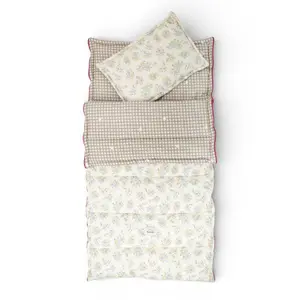
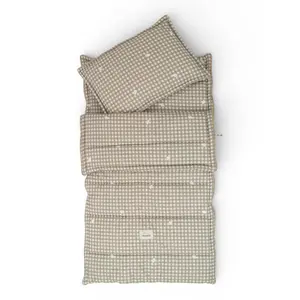
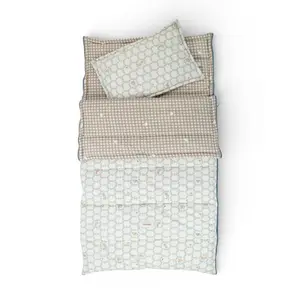
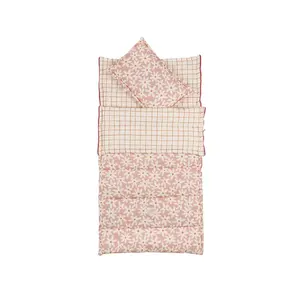
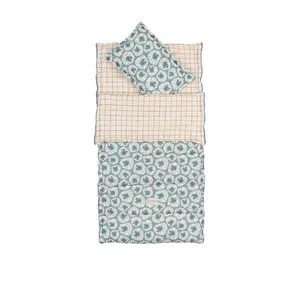
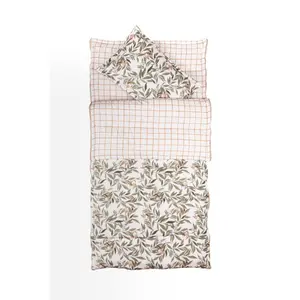

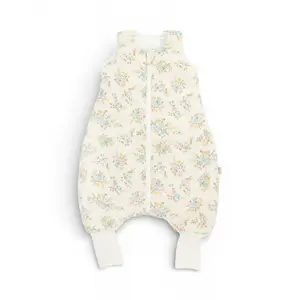
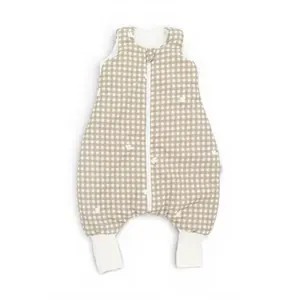
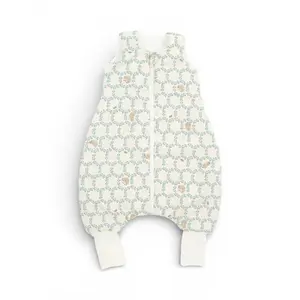
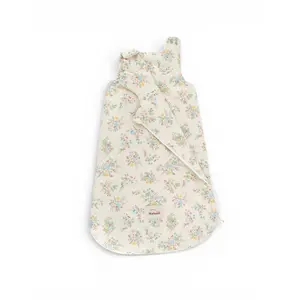
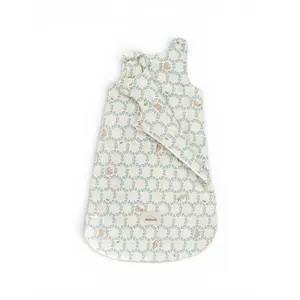
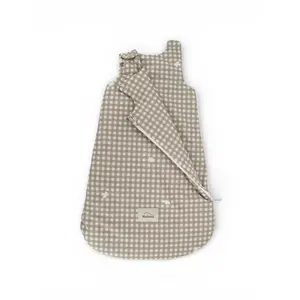
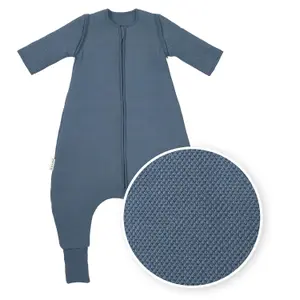
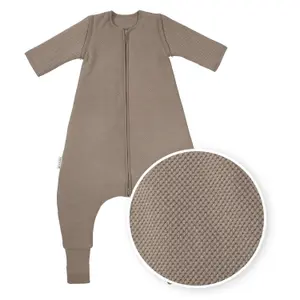
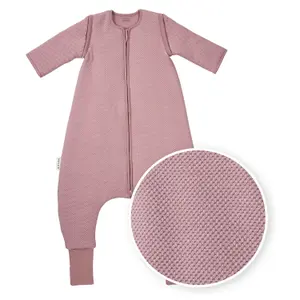


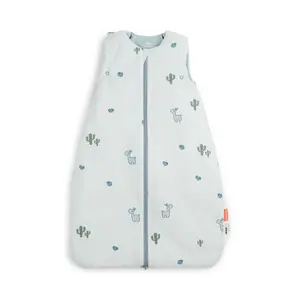
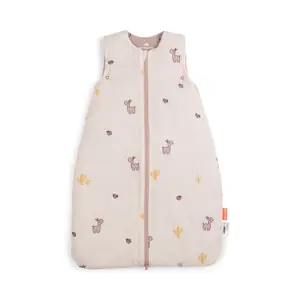
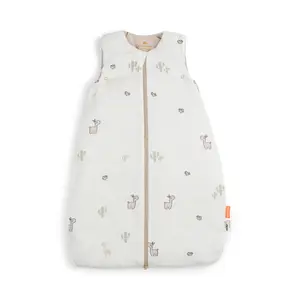
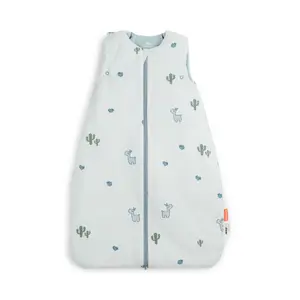
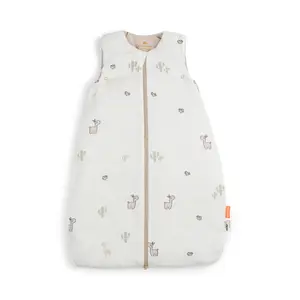
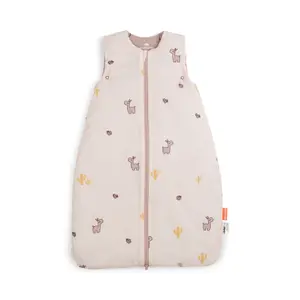
The baby sleeping bag, also called a baby sleep sack, is a sleeping bag with armholes that replaces blankets and a duvet: the child can neither uncover themselves nor slip under the bedding. French health insurance recommends using one, sized to fit the child, for sleeping on their back. Here are some designs from Trois Kilos Sept, Baby's Only and Baby Bites.
The right TOG depends on the room, not the month.
Which TOG should you choose for the room temperature?
TOG, short for Thermal Overall Grade, measures how warm a sleeping bag is: the higher the TOG, the more it insulates. Manufacturers give similar guidelines: a TOG of 0.5 for a room above twenty-four degrees, a TOG of 1 between twenty and twenty-four degrees, and a TOG of 2 to 2.5 between sixteen and twenty degrees. The warmest winter sleeping bags, with a TOG of 3, are designed for cooler rooms.
France’s health insurance system and the French National Authority for Health recommend keeping the room between 18 and 20°C: in these conditions, a medium-weight sleeping bag over a long-sleeved bodysuit is enough. What matters is the actual room temperature and what the baby is wearing underneath, not the time of year. Follow the chart printed on the manufacturer’s label.
Bodysuit, all-in-one, trousers: what your baby wears before bed
Under the sleeping bag, a bodysuit is the basic layer, with short sleeves in warm weather and long sleeves in winter. During the day, an all-in-one replaces the sleeping bag when you go out, with baby trousers or dungarees for the rest of the time. Baby T-shirts, baby jackets and the Baby outfits page complete their daytime wardrobe.
Choosing the sleeping bag length to suit your baby’s height
Choose a sleeping bag based on your baby’s length, not their age. The most common lengths are 70 cm, for birth to around six months; 90 cm, up to ten-eighteen months; and 110 cm, up to three years. Size charts vary from one brand to another, so check the manufacturer’s chart.
If it’s too big, your child can slip inside: their head must never be able to fit through the neck opening, and the armholes should fit snugly around the shoulders. If it’s too short, it restricts their legs, but babies sleep better when they can tuck them up like a frog. Sleeping bags sold in Europe may refer to the EN 16781 standard, published in 2018, which sets the safety requirements for these sleeping bags.
Cotton or merino wool: Trois Kilos Sept, Baby's Only, Baby Bites
Cotton is still the most widely used material: it’s easy to wash and breathable, and is suitable for all seasons depending on the thickness of the filling. Trois Kilos Sept, a French brand based in Savoie that designs its products locally, makes an adjustable sleeping bag designed to grow with your child over several months.
Merino wool, used by Baby's Only, regulates temperature more effectively: it keeps your baby warm when the room cools down and wicks away moisture when they sweat, making it a good choice for rooms where the temperature varies. Baby Bites, a Spanish brand based in Barcelona, designs playful sleeping bags made in Spain and Portugal using natural fabrics.
Sleeping bag offers: plan ahead for the next size
Babies outgrow their sleeping bags in a few months, so sales are a good time to get the next size before you need it. Black Friday and the festive season fall around the time you’ll be switching to a warmer winter sleeping bag. The winter sales and then the spring French Days are a chance to plan ahead for a lightweight summer sleeping bag. During the summer sales and at the start of the school year, check the clearance page for end-of-line items, as well as the latest special offers.
Safe sleeping rules when using a sleeping bag
Using a sleeping bag is part of a set of simple guidelines shared by France’s health insurance system and the French National Authority for Health. Babies should sleep on their backs, including during naps, on a firm, flat mattress in their own cot. Keep the cot clear: no blankets, duvets, pillows or cot bumpers, which the French National Authority for Health advises against because they restrict the air the child breathes.
Don’t use a sleeping bag and a blanket together, and don’t wrap your baby up too warmly: they shouldn’t feel hot to the touch. A hat isn’t needed indoors. Santé publique France reports that sudden unexpected infant deaths fell sharply from 1992, the year the first campaigns promoting back sleeping began.
Frequently asked questions
What’s the difference between a gigoteuse and a turbulette?
There isn’t one: both words mean the same sleeveless sleeping bag, and France’s health insurance system uses both terms. The only things that matter are the TOG, suited to the room, and the length, suited to the child.
Is a sleeping bag or a blanket better for a baby?
A sleeping bag, without a doubt: a blanket can come up over the baby’s face or be kicked off, leaving them uncovered. Official guidance advises against blankets, duvets and pillows in an infant’s cot.
Up to what age can a child sleep in a sleeping bag?
There’s no age limit: sleeping bags are available up to 110 cm, for children aged three or four, and sometimes older. Switch to a duvet when your child sleeps in a bed without sides and can cover themselves.
How many sleeping bags should you have at home?
Two per size is a good minimum: one to wear and one in the wash, as nappy leaks and spit-ups always happen at the worst time. A third, either lighter or warmer, can help when the temperature changes.
Can a baby sleep in a sleeping bag from birth?
Yes, as long as you choose one that fits their length, usually 70 cm, with a neck opening narrow enough to stop their head from slipping through. Newborn sleeping bags have armholes and neck openings designed for very young babies.











