
Wallets for children and teenagers


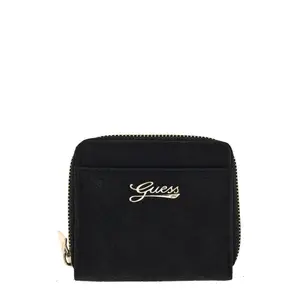


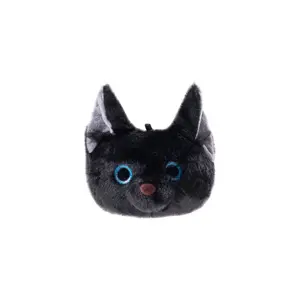
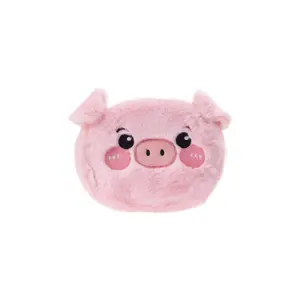


The first child’s wallet often comes with pocket money or a first bus pass. It should be easy to open, sturdy and compact enough to fit in a jeans pocket or a bag. This selection includes the Eastpak Crew nylon wallet, available as the Crew Single, and a Bluey model by Vadobag for younger children who love the little blue dog.
Learning to manage money, made simple.
The first wallet, a pocket-money companion
Many children receive their first coins at around six or eight years old, for a birthday or a little chore done at home. Having their own wallet teaches them to count and keep their money, and decide whether to spend or save it. It’s a real learning tool, as long as it’s suitable: a coin purse is enough to start with, then a model with a banknote compartment and card slots becomes useful.
At secondary school, a wallet holds a travel card, a canteen card and sometimes a bank card for under-18s. It then needs slots that hold cards securely and a zipped pocket for coins, so nothing slips to the bottom of their bag.
Bags to go with the wallet
A wallet is less likely to get lost when it has its own place. A bum bag keeps it close at an amusement park or in town, while a pouch keeps it together with keys and tissues. For school, a rucksack with an inner zipped pocket stops it from falling out, and a cross-body bag keeps it close to hand on days out.
Eastpak Crew and Crew Single: nylon and hook-and-loop fastening
The Crew Single by Eastpak is a three-fold nylon wallet with a hook-and-loop fastening, several compartments, a zipped coin pocket at the back and a key ring. It captures the spirit of the brand’s bags, first made in 1952 in the Boston area: hard-wearing fabric that can withstand being squashed at the bottom of a school bag.
The Crew, of which the Crew Single is a variation, has the same practical spirit. The hook-and-loop fastening is handy for children: it opens with one movement, with no risk of catching a zip, and its distinctive sound makes it harder to steal quietly from a pocket. Its understated style also appeals to secondary school pupils who no longer want childish designs.
Hook-and-loop, zip or popper: choosing a fastening for their age
Under eight, the fastening needs to be easy to use with fingers that are still a bit clumsy: hook-and-loop is the simplest option, and a popper works too as long as it isn’t too stiff. A zip takes more precision but keeps coins in more securely, making it a good choice for the coin pocket.
For younger children, an illustrated wallet, such as the Bluey model by Vadobag, a Dutch company specialising in licensed bags and accessories for children, can make them keen to look after their money. At around ten or twelve, children often prefer a simple, more discreet style in front of their friends. Also think about thickness: a wallet that’s too full distorts a trouser pocket and is more likely to fall out.
A wallet to give, from Christmas to the new school year
A wallet is a classic gift for a birthday or starting secondary school. Black Friday is a chance to get ahead of the festive season, when it fits easily under the Christmas tree with a first banknote tucked inside. The winter sales, the spring French Days and then the summer sales are a good time to replace a worn-out model; at the start of the school year, clearance offers and special offers help kit out a child starting secondary school.
Frequently asked questions
Which wallet is best for a 12-year-old?
At this age, a three-fold model with card slots, a banknote compartment and a zipped coin pocket covers all their secondary school needs. Plain colours and technical fabrics are often preferred to childish designs.
What should I do if my child keeps losing their wallet?
Choose a model with a key ring and attach it to a small chain or to the inside of their bag. A bright colour is easier to spot, and a small piece of paper inside with a parent's phone number, but no address, makes it more likely to be returned.
Can you wash a nylon wallet?
Yes, by hand: empty it, scrub it with a soft brush and soapy water, then rinse and leave it open to air-dry. Avoid the washing machine, which wears out the hook-and-loop fastening and can distort the card slots.
Can a child have a bank card in their wallet?
Several banks offer debit cards with spending controls for under-18s, often from the age of ten or twelve, with a limit set by parents. A wallet with slots that hold the card securely and a reliable fastening then become essential.
Is a Bluey wallet suitable for a nursery-age child?
For a four- or five-year-old, an illustrated wallet is mainly for play: putting away coins, tickets and little cards. Stay with them the first few times they use it, and choose a lightweight model without small detachable metal parts.











