
Children’s backpacks and school bags


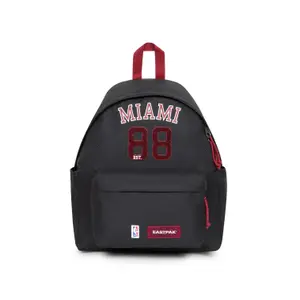
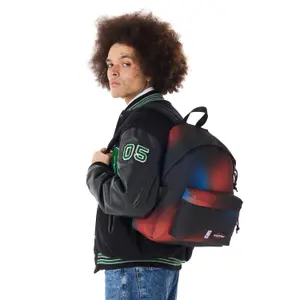

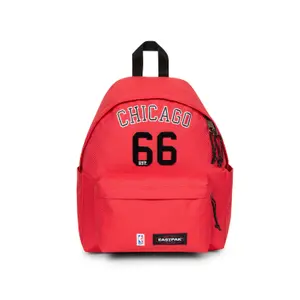

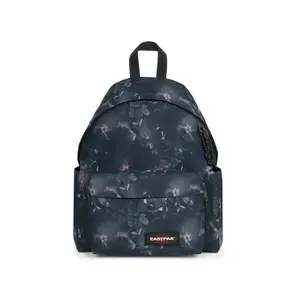
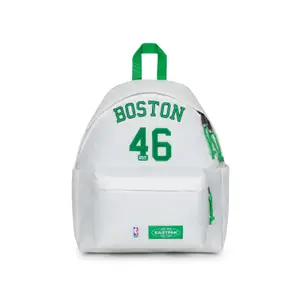
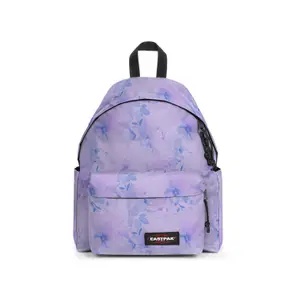
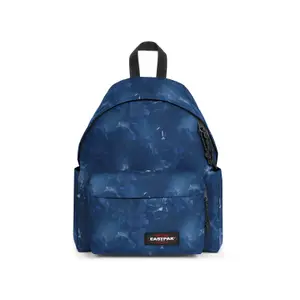
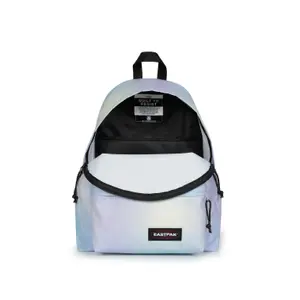
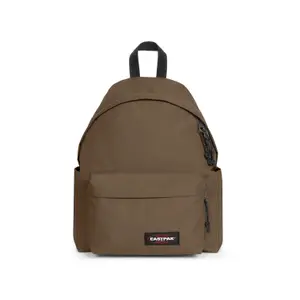

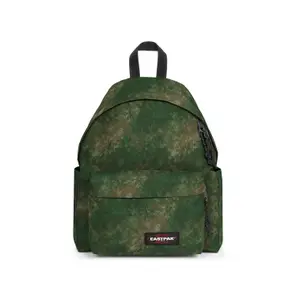
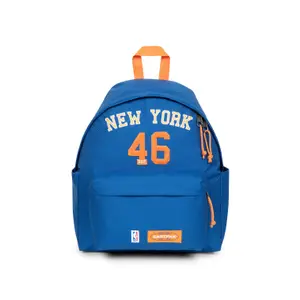

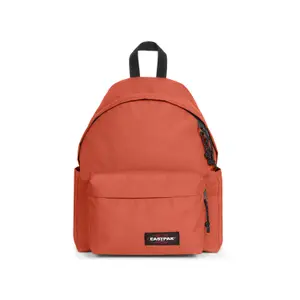


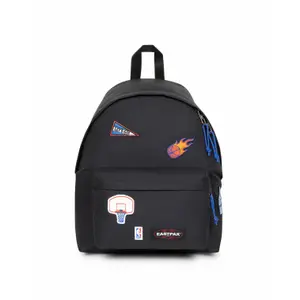


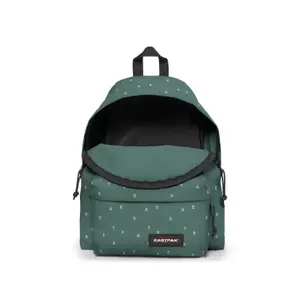
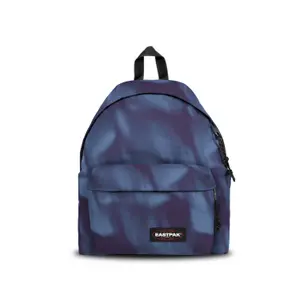
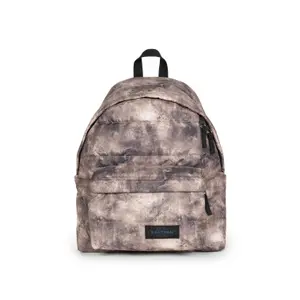
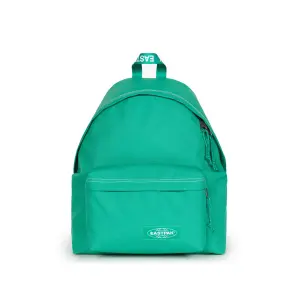
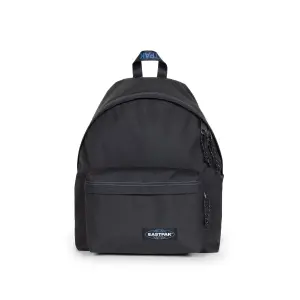
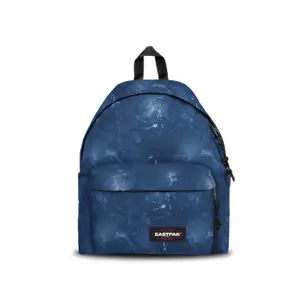
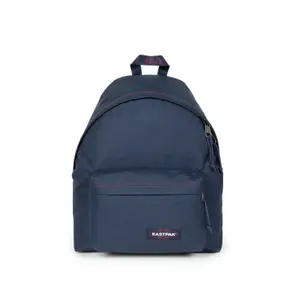
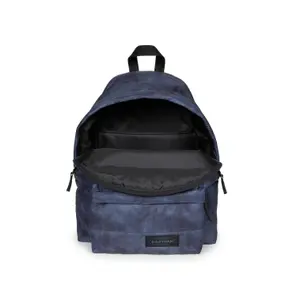

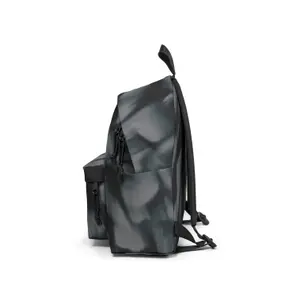
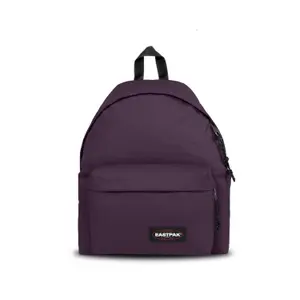

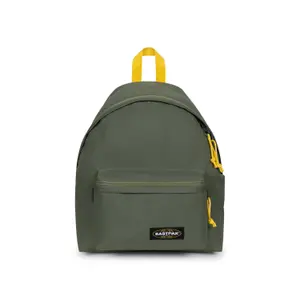


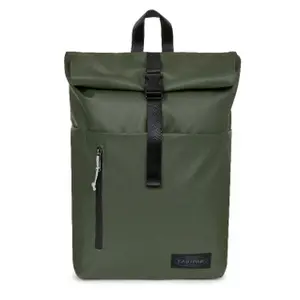


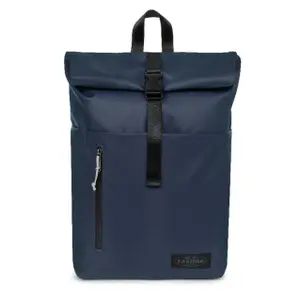

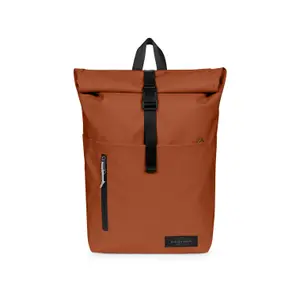


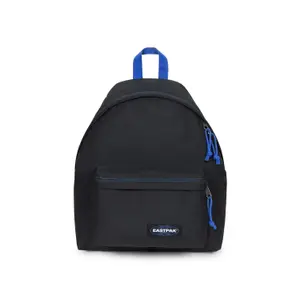


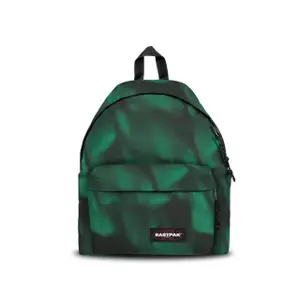
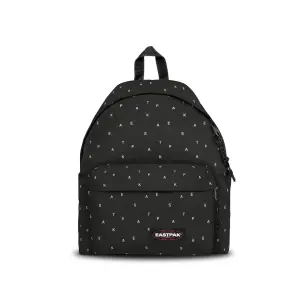
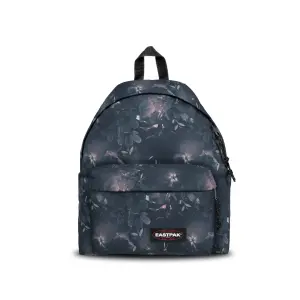


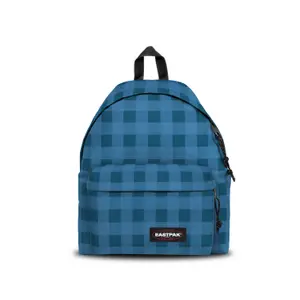

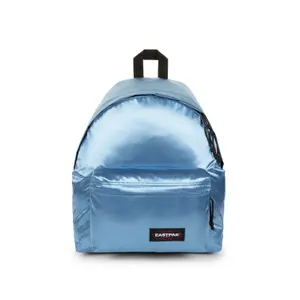

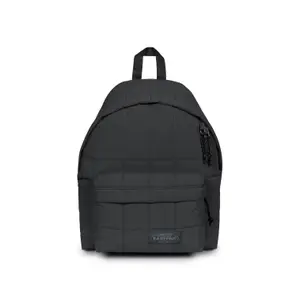
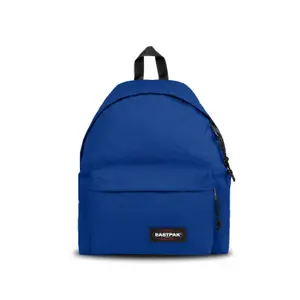
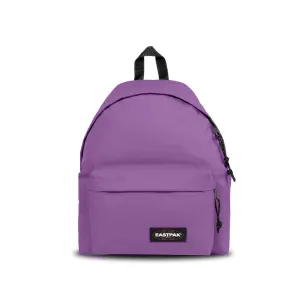
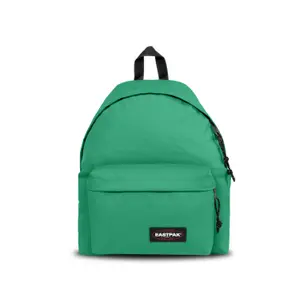
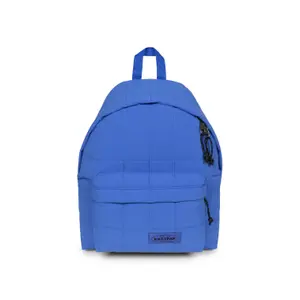


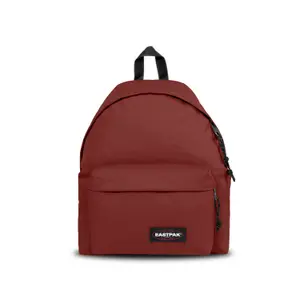


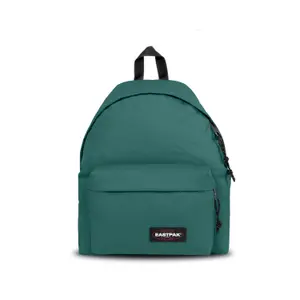


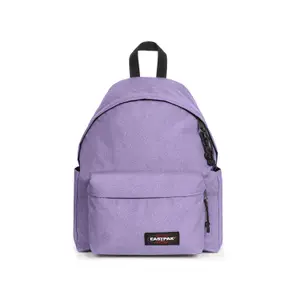


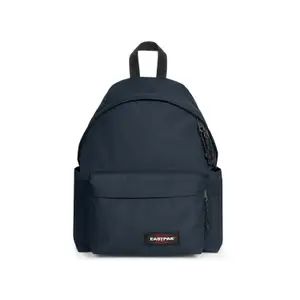


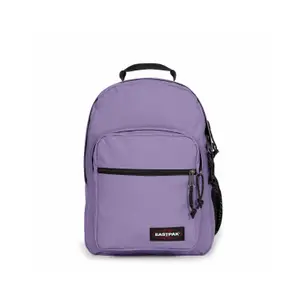


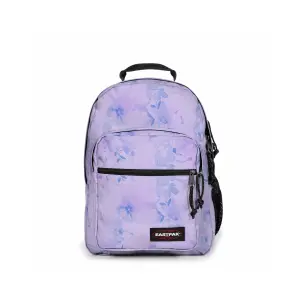
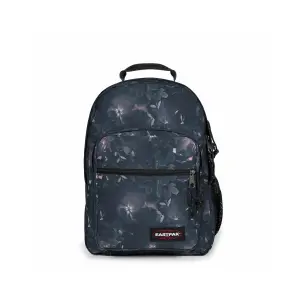


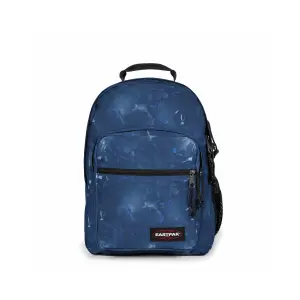


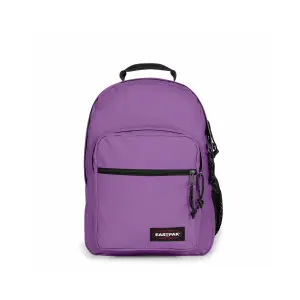


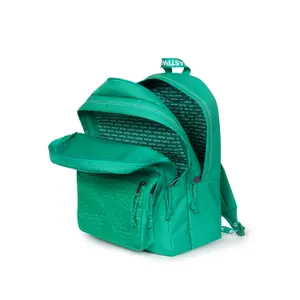


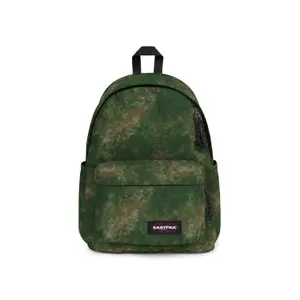
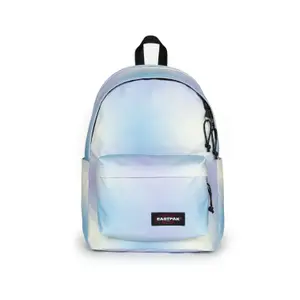
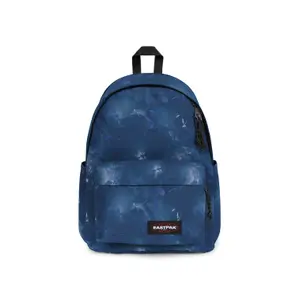
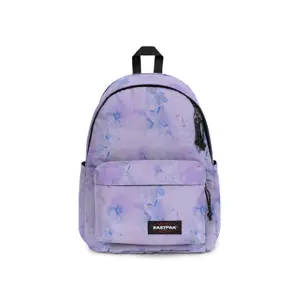
The children's backpack goes to school with children every morning for years: it needs to hold their exercise books without damaging them, stay lightweight and be worn properly on both shoulders. This selection brings together illustrated school bags by Pol Fox, children's backpacks by Hindbag made from recycled materials, and Eastpak's classic designs, from the Padded Pak'r to the mini Orbit.
From the first day of nursery to secondary school.
Nursery, primary school, secondary school: what size for each year group
- In nursery, the bag is mainly for a comfort blanket, spare clothes and a home–school diary: a small, lightweight rucksack that the child can open on their own is enough. The Orbit by Eastpak, a miniature version of the Padded Pak'r at around ten litres, is just the right size.
- In primary school, from the first year, the bag needs to fit A4 notebooks, measuring 21 x 29.7 cm, without folding them: Pol Fox satchels and school bags are designed for this.
- In secondary school, textbooks and ring binders call for a larger bag, with several compartments to keep books separate from sports kit, such as the Pak'r or Pinnacle models by Eastpak.
Pencil case, sports bag, pouch: complete your school bag
A rucksack rarely does the job on its own. A matching school pencil case keeps stationery together, often in the same pattern as the school bag. On PE or club days, a sports bag stops shoes and notebooks getting mixed up. For holidays, a travel bag or trolley takes over, while a pouch keeps small items that are easy to lose together in the bag.
Adjust the straps properly and lighten the load
A rucksack should be adjusted in three steps: both straps tightened evenly, the top of the bag level with the shoulders, and the bottom no lower than the waist. A bag hanging down over the bottom pulls the back backwards and makes the child lean forwards to compensate.
As for the load, the French Ministry of Education recommends that a full bag should not weigh more than one tenth of the child's body weight. Pack heavy items against the back, in the middle, and check each week that the bag isn't carrying yesterday's books unnecessarily. A padded back and padded straps make journeys more comfortable, especially when walking.
Pol Fox, Hindbag, Eastpak: three school bag styles
Pol Fox satchels are made for primary school children, with bold illustrations of sharks, dinosaurs, racing cars or skateboards, and matching pencil cases to tie everything together. The Hindbag Arthur rucksack is designed for children by a French brand that makes its bags from recycled polyester with a partner NGO in Delhi.
Eastpak, meanwhile, remains the go-to brand for secondary school pupils: its Padded Pak'r, launched in 1976 with one of the first padded backs and straps, has kept almost the same shape ever since. The Day Pak'r and Out Of Office versions add storage to organise everything for a busy timetable.
Back to school and other times to buy a school bag
School bags are mainly bought for the start of the school year, but there are other times to look out for. Black Friday and the festive season are good times to give a leisure or secondary school rucksack. The winter sales are a chance to replace a damaged school bag before the end of the school year, while the spring French Days and summer sales let you get ahead. At the start of the school year, new arrivals showcase the latest patterns, while special offers feature previous models.
Frequently asked questions
Satchel or rucksack: which should you choose for the first year of primary school?
A rigid satchel protects notebooks better and stays upright, which helps children organise their things; however, it weighs a little more when empty. A soft rucksack is lighter. For the first year of primary school, the essentials are an A4 size, two adjustable straps and a simple opening.
Is a wheeled bag a good idea?
It takes the strain off the back on flat routes, but becomes a nuisance on stairs and pavements, where children end up carrying it at arm's length. Some schools also advise against them because they take up space in corridors, so check before buying one.
How do you remove an ink stain from a rucksack?
Act quickly: dab the stain with cotton wool soaked in 70% alcohol, without rubbing, after testing it on a hidden area. Then rinse with clean water and leave to air-dry. On light-coloured canvas, an old stain may never disappear completely.
Which rucksack brand should you choose for a primary school child?
Rather than focusing on a brand, check the empty weight, the quality of the stitching where the straps attach and the strength of the fastenings. In primary school, a school bag designed for pupils, such as those by Pol Fox, is a better fit than an adult rucksack, which is often too long for a child's back.
At what age should a child switch from a satchel to a regular rucksack?
Often when they start secondary school, when they want a less childlike bag and their textbooks need more capacity. There's no reason not to switch earlier, in Year 5 or Year 6, as long as the chosen bag is still lightweight and can be adjusted to fit.











