
Bags and luggage for children, from school to holidays


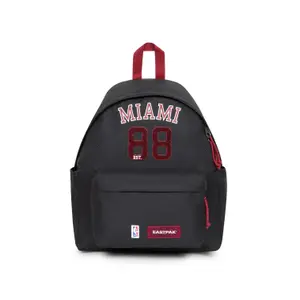
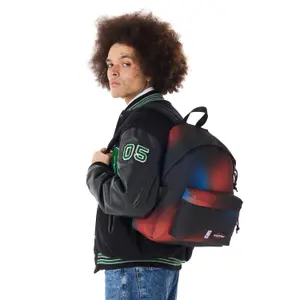

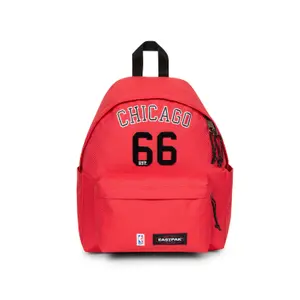

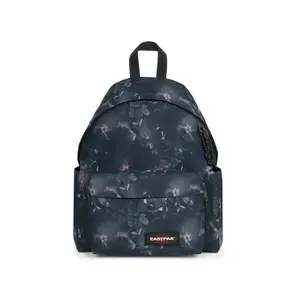
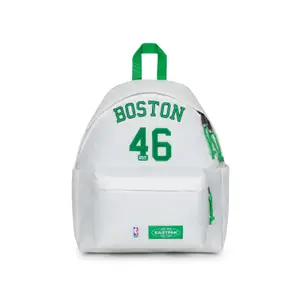
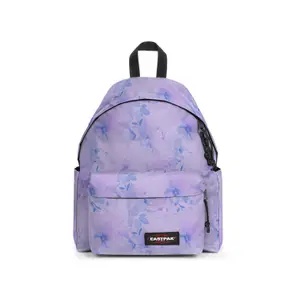
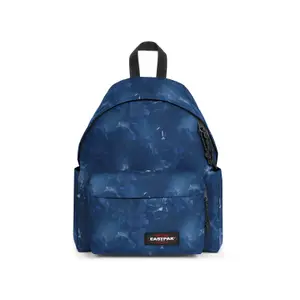
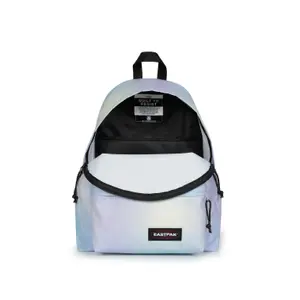
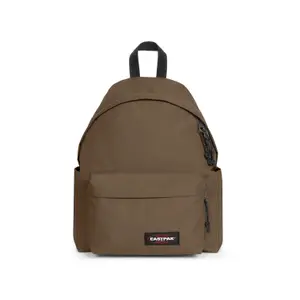

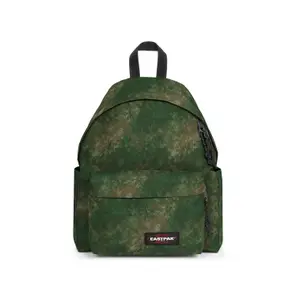
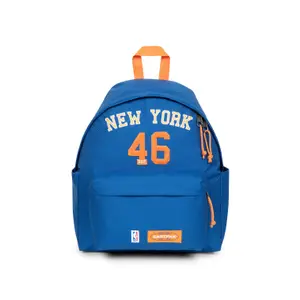

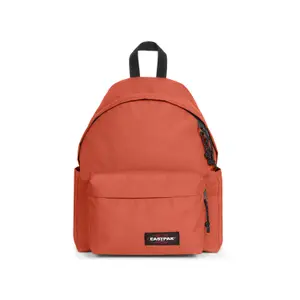


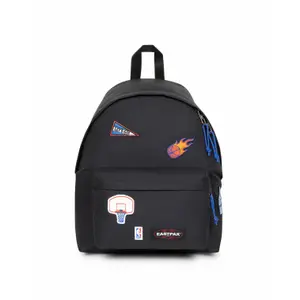


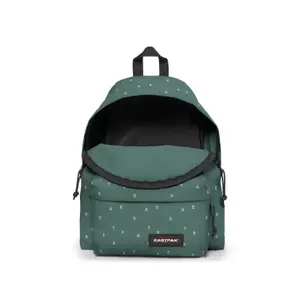
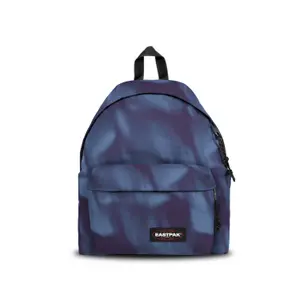
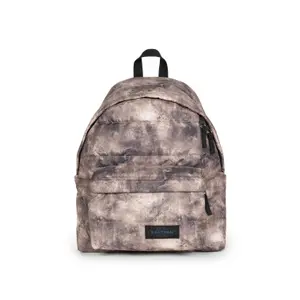
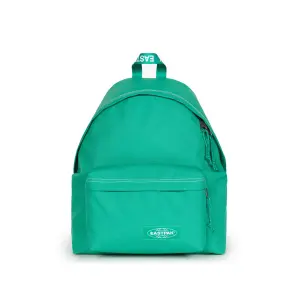
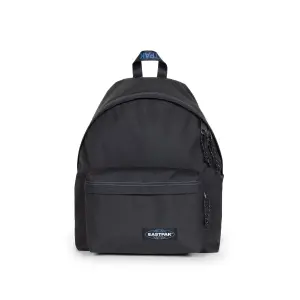
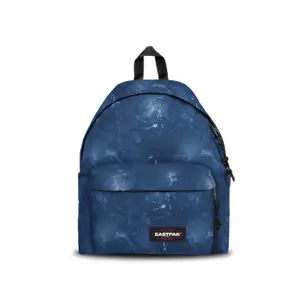
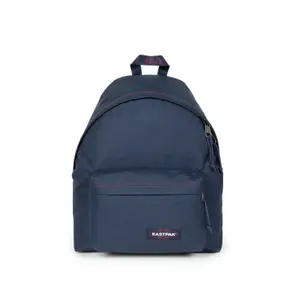
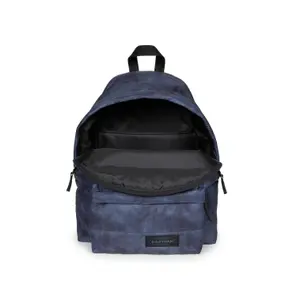

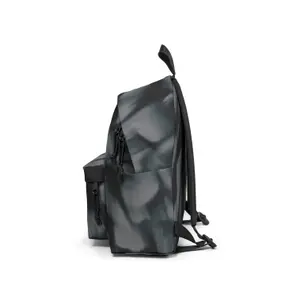
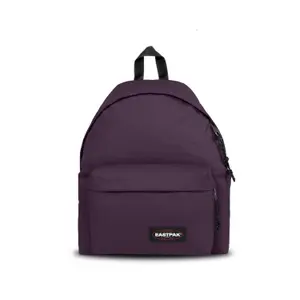

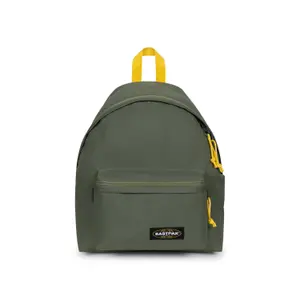


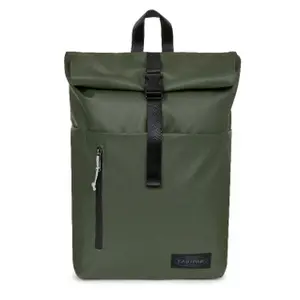


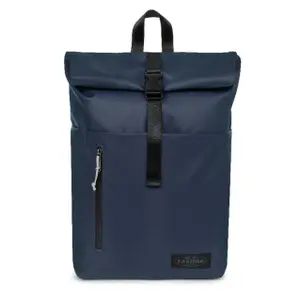

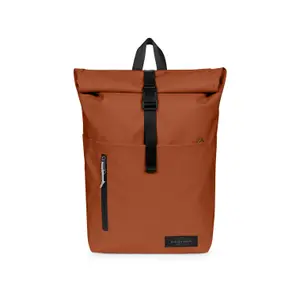


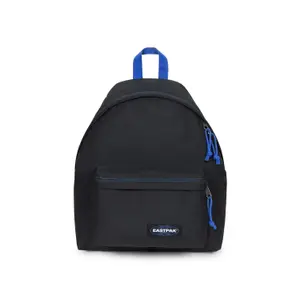


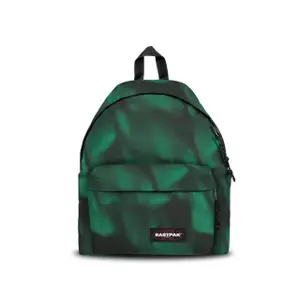
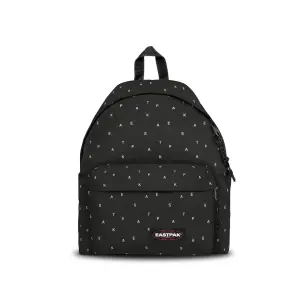
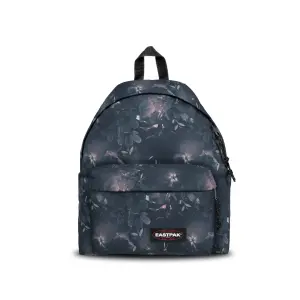


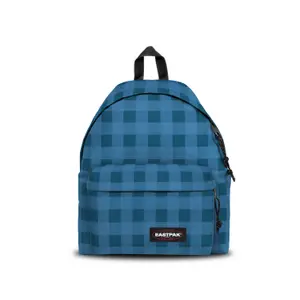

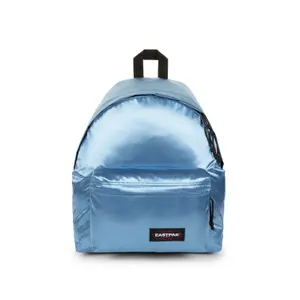

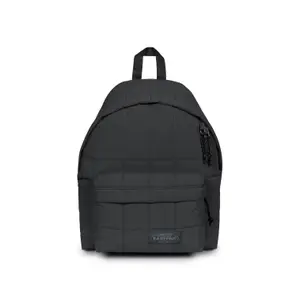
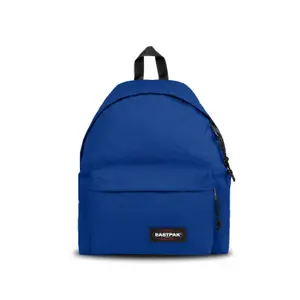
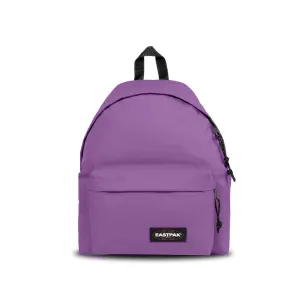
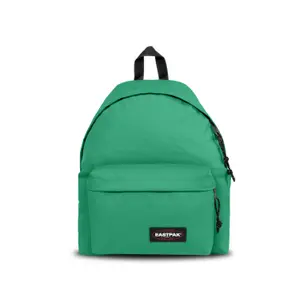
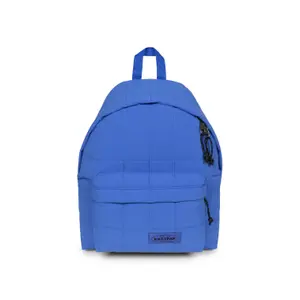


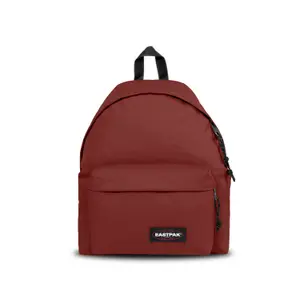


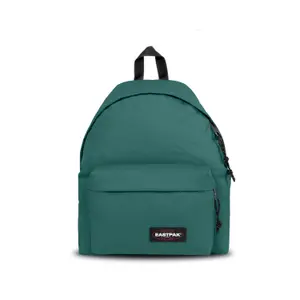


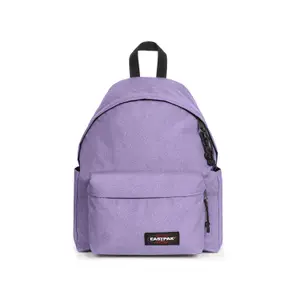


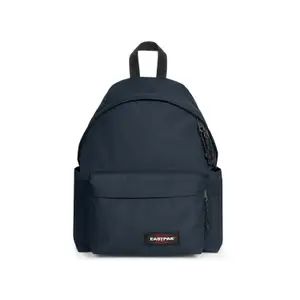


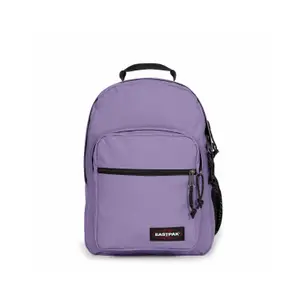


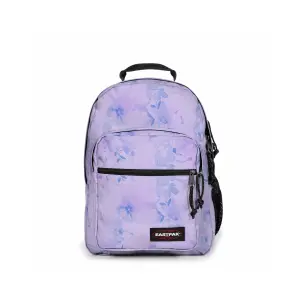
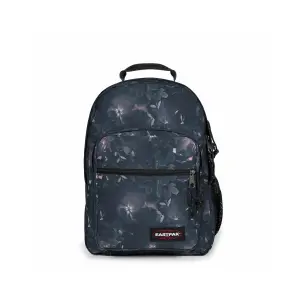


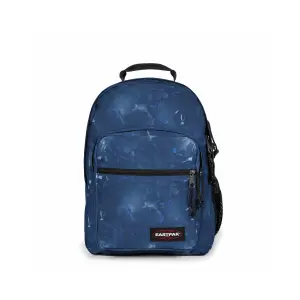


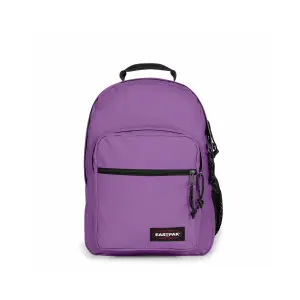


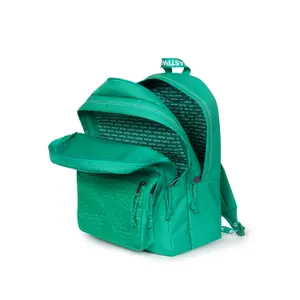


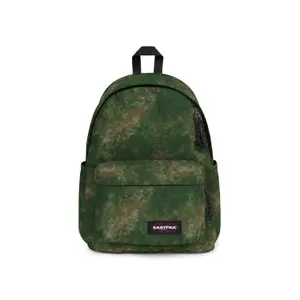
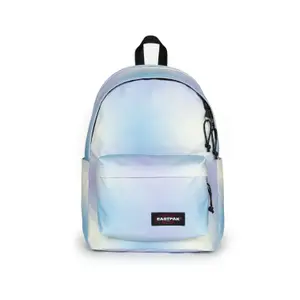
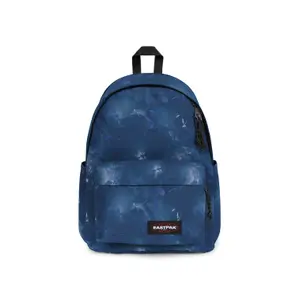
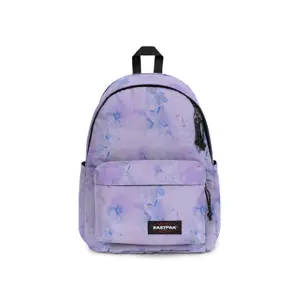
From nursery to family holidays, children carry something on their back or shoulder every day. Sneakids’ children’s bags range covers all these occasions: school bags and backpacks, pencil cases, sports bags for clubs, travel bags, bum bags, pouches and wallets. It includes illustrated school bags from Pol Fox, bags made from recycled materials from Hindbag and classics from Eastpak.
A bag to suit every age and every use.
Which bag for which time of day
A child doesn't need the same bag for school, training and the weekend. A school satchel or backpack should fit A4 exercise books without folding them and be worn over both shoulders. A sports bag keeps shoes and wet kit separate from the rest of their belongings, while a travel bag, soft-sided or on wheels, should be light enough for the child to handle themselves.
Smaller styles have their uses too: a pencil case keeps stationery together, while a bum bag and a cross-body bag keep a snack or phone close to hand. A pouch and a wallet help children learn to look after their belongings and pocket money.
Backpacks, pencil cases, bum bags: the subcategories
Each type of bag has its own page, making it easier to compare:
- The backpack range includes satchels and school bags, from nursery to secondary school.
- The school pencil case range features single, double and round styles for pens and felt-tip pens.
- The sports bag goes with children to the club, swimming pool or dojo.
- The travel bag range brings together soft-sided bags and wheeled cases for holidays.
- The cross-body bag is worn across the body for days out.
- The bum bag sits at the waist or across the chest.
- The pouch keeps small items together inside a larger bag.
- The wallet holds pocket money and first cards.
A bag on your back: the one-tenth-of-your-weight rule
Since a 1995 guidance note, reiterated in a 2008 circular, the Ministry of National Education has recommended that a loaded schoolbag should weigh no more than one tenth of a child's body weight — around three kilos for a pupil weighing thirty kilos. The empty bag should therefore be light, and this is something to check before looking at colours.
How it is worn matters just as much as its weight: two wide, padded straps, adjusted so the bag stays close to the back and doesn't hang below the waist, spread the load. A padded back stops the corner of a book digging between the shoulder blades, and a chest strap keeps the bag steady when a child runs to catch the bus.
Eastpak, Pol Fox and Hindbag: three ways to make a bag
Eastpak was founded in Boston in 1952, where the company made bags for the US army, before launching the Padded Pak'r in 1976. It was one of the first backpacks with a padded back and straps, and its shape has barely changed since. Pol Fox caters to schoolchildren with matching satchels and pencil cases featuring sharks, dinosaurs, racing cars and skateboards.
Hindbag, a French brand founded in 2015, works exclusively with GRS-certified recycled materials or GOTS-certified organic materials. Its bags are sewn by an NGO that supports women in disadvantaged areas of Delhi. Three different approaches, from sturdy classics to socially conscious bags.
Back to school, holidays, celebrations: when to kit out your child
Bags follow the school calendar. Black Friday and the festive season are good times to give travel bags and wallets as presents; the winter sales are a chance to replace a worn-out schoolbag halfway through the year. The spring French Days and summer sales come before the holidays, then back-to-school season brings a rush of satchel and pencil case purchases: the new arrivals show the latest designs, while the clearance section features last year's styles.
Frequently asked questions
Can a child take cabin baggage on a plane?
It depends on the airline and fare: a child with their own seat usually gets the same baggage allowance as an adult, often a small bag under the seat, and sometimes cabin baggage as an optional extra. Check the exact dimensions on the airline's website before choosing.
How do you wash a school bag without damaging it?
Empty it, brush the inside and clean the outside with a sponge and soapy water. Many canvas bags can be hand-washed in lukewarm water; avoid the washing machine and tumble dryer, which can warp padded backs, unless the care label says otherwise.
Should you buy a bigger bag so it lasts for several years?
Not for a bag worn on the back: if it's too big, it hangs below the lower back and puts strain on the shoulders. It's better to choose a bag that fits the child at the time of purchase, even if it needs replacing when they start secondary school, as the size and load increase.
How can you stop a child's belongings from getting lost?
Write the child's name and first name inside the bag, pencil case and wallet, using a fabric marker or iron-on label. A key ring or distinctive ribbon can also help the child recognise their bag among those belonging to their classmates.
Is a bag made from recycled material just as strong?
Yes, recycled polyester, made in part from melted-down plastic bottles, is just as hard-wearing as new polyester. The GRS label guarantees the amount of recycled material and its traceability; durability mainly depends on the stitching, reinforcements and zips.











