
Garden huts and playhouses for children
Starting at £202.53
£197.98
Having their own house, with a door to shut and a window to watch the garden from: a playhouse inspires all sorts of make-believe games, from playing house to pirate adventures, with brothers, sisters and friends. Made of wood or plastic, on a floor or placed on the ground, it is chosen to suit their age, the space in the garden and how much time you want to spend looking after it.
A house their size, at the bottom of the garden.
Wooden or plastic playhouse
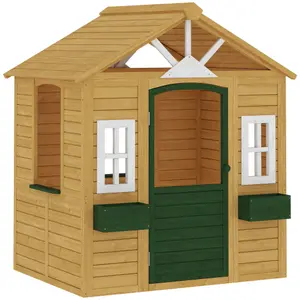
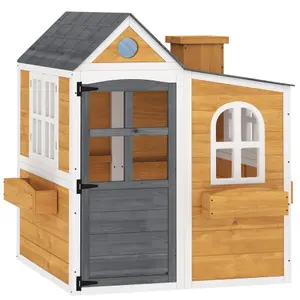
A wooden playhouse, made from spruce or pine, often sourced from FSC- or PEFC-certified forests, has the charm of a real chalet: a door, windows and sometimes a window box, canopy or small outdoor kitchen. It comes in panels or interlocking logs and lasts for many years if the wood is protected.
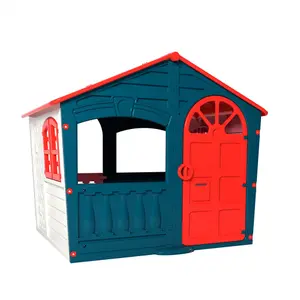
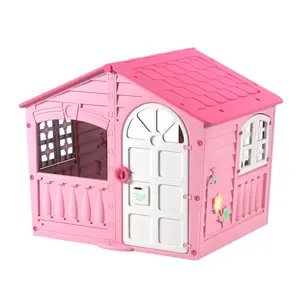
A plastic playhouse made using rotational moulding can be put together with just a few clips, hosed down and is unaffected by damp or splinters; it is well suited to children aged two to six and can be moved to follow the shade. Being lower, it soon feels cramped for an eight-year-old, whereas a wooden playhouse, with more headroom, can accommodate older children.
Other games for the garden
Other games can complete the children’s play area around the playhouse: the Swing page for frames and seats, Sandpits and beach toys for digging outside the door, and Trampoline for burning off energy. All outdoor equipment can be found in Outdoor and sports.
Floor, location and foundations
A wooden playhouse placed directly on the ground will rot at the base. The playhouse floor, supplied with some models or available separately, keeps children away from damp ground and provides a clean surface for tea parties and cushions. Place the whole structure on flat, stable ground: paving slabs, supports or joists kept out of the water, allowing air to circulate underneath.
Choose a spot visible from the house, in partial shade to prevent it getting hot under the roof in high summer, and away from fences that children might be tempted to climb. Finally, leave space all around to maintain the outside walls.
Do you need planning permission for a children’s playhouse?
In an ordinary area, a garden structure with a ground footprint and floor area of no more than five square metres is exempt from formalities under Article R421-2 of the Town Planning Code. Between five and twenty square metres, you must submit a prior declaration to the local council. Note that the footprint is measured to the edge of the roof, not the floor: a two-metre by two-metre playhouse with a forty-centimetre overhang covers more than seven square metres.
Near a historic monument or in a protected heritage area, a declaration is required even for a small structure. The local development plan may also set a minimum distance from property boundaries: a call to the local council will clear things up.
A playhouse for Christmas or spring
A playhouse is best assembled in spring, but it is often chosen as a big end-of-year gift. Black Friday and the festive season are a chance to reserve one for assembly in the warmer weather, then the winter sales and French Days come before the gardening season. During the summer sales and at the start of the school year, check out the outdoor and sports clearance, and browse our special offers at any time.
Wood stain and caring for a wooden playhouse
Untreated wood turns grey and splits if it is not protected. Apply a coat of wood stain or microporous paint as soon as you assemble it, to all sides, then reapply every two to three years, more often on the side exposed to rain. Choose a water-based product and let it dry completely before letting the children use the playhouse. Every spring, check the roof, often covered with roofing felt or shingles, tighten the hinges, sand down splinters and check that doors and shutters will not trap fingers. A plastic playhouse can simply be cleaned with soapy water and a soft brush.
Frequently asked questions
What age is a playhouse suitable for?
From the age of two, children are happy to go into a low plastic playhouse with wide openings. Wooden playhouses, which are taller and larger, are generally more suitable from the age of three or four, depending on the age recommendation from the manufacturer.
Can you put a wooden playhouse on the lawn?
Yes, as long as you do not place it directly on the grass, which holds moisture: a few paving slabs or supports under the floor are enough. The grass will disappear under the playhouse, so choose a permanent spot rather than moving it every year.
How long does it take to assemble a wooden playhouse?
Allow half a day to a full day for two adults to assemble a panel playhouse, and longer for a model made from interlocking logs. A power screwdriver, spirit level and step ladder make it easier to fit the roof, which is the trickiest part.
How can you furnish the inside of a playhouse?
An outdoor rug, a few cushion covers that can be removed for washing and a small table are all you need for tea parties or reading. Bring the textiles in at night, as the damp quickly sets in, and leave the door ajar in hot weather to let air circulate.
Can a wooden playhouse withstand winter?
Yes, if the wood is stained, the roof is watertight and the floor is raised. Clear any snow from the roof, remove textiles and toys from inside, and check the joints once the thaw sets in before letting the children use the playhouse again.











