
Gymnastics for kids: move, jump and keep your balance

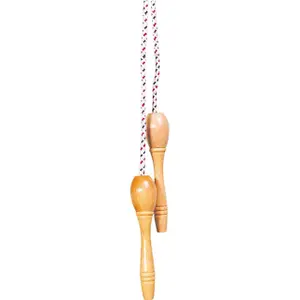
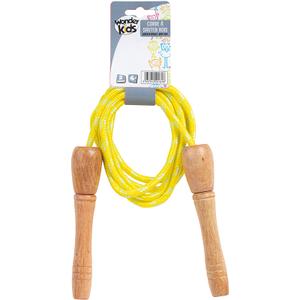
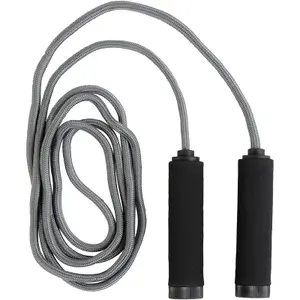
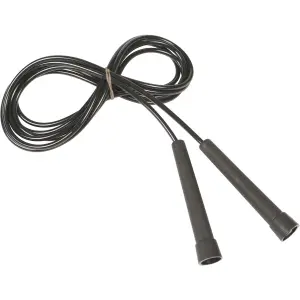
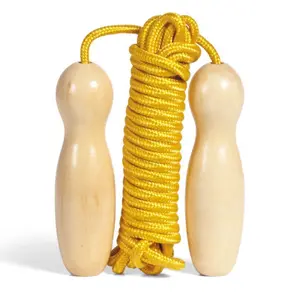
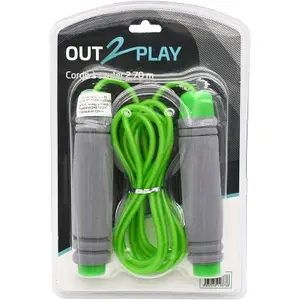
Gymnastics starts long before the first club lesson: walking along a balance beam, throwing and catching, jumping with both feet together. Gonge activity rings, made from soft rubber, and skipping ropes give children what they need at home and in the garden to develop coordination, agility and confidence in their bodies through simple games they quickly make up themselves.
Simple equipment to get moving at any age.
Gonge activity rings, a versatile movement accessory
Founded in Denmark in 1966, Gonge first produced equipment for nursery schools before focusing on active play, with a motto that sums up its approach: learning through movement. Its activity rings come in packs of six in bright colours and are moulded from soft rubber, around sixteen centimetres in diameter.
Their appeal lies in their versatility: you can throw them at a target, roll them, place them on the floor to jump from one to another, or try to keep one balanced on your head while walking. They’re soft, so they won’t cause injury if someone falls on them, and they’re great for playing in groups.
Balls, goals and other games to get active
A play tunnel can be added to an obstacle course to help children learn to crawl and find their way around. Balls help practise throwing and catching, while football goals and basketball hoops give children a target to aim at and help improve their accuracy.
What length skipping rope is right for a child?
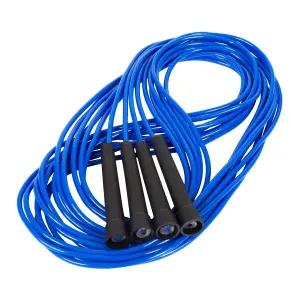
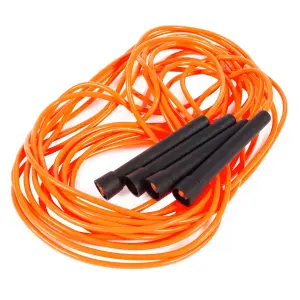
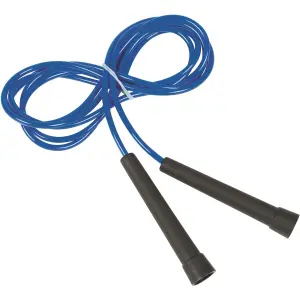
A skipping rope that’s too long gets tangled underfoot, while one that’s too short it catches the heels. There’s a simple way to check: have the child stand in the middle of the rope with their feet together, then pull the handles upwards; they should reach armpit height. An adjustable rope can grow with them by shortening or lengthening the cable.
For beginners, a PVC rope, which is a little heavier than a simple cord, turns more evenly and is easier to control. The handles should fit a small hand without slipping, and skipping should be done on a flat, preferably soft floor, with proper footwear.
Gymnastics games to try at different ages
- At around three years old, children enjoy walking along a line drawn on the floor, jumping with both feet from one ring to another, and throwing a soft object at a nearby target.
- At around six, they start to coordinate their arm movements with their jumps: this is often when they first manage a series of skipping rope turns, starting with a long rope turned by two adults.
- From eight years old, it’s time for challenges: crossed jumps, juggling with two rings and timed obstacle courses that combine balance, accuracy and speed, to invent with siblings or friends.
Gymnastics accessories on offer throughout the year
A set of colourful rings makes a lovely Christmas present: keep an eye out for Black Friday and then the festive season. The winter sales are perfect for active afternoons indoors on rainy days; the spring French Days and summer sales bring back garden games, while the new school year is a good time to sign up for a gymnastics club. Current special offers and outdoor and sports clearance round off these seasonal events.
Frequently asked questions
Which sport should I choose for a three-year-old?
At this age, activities that develop body awareness, such as baby gymnastics, are a good fit: they work on balance, rolling and jumping through play, without competition. The essential thing is for children to enjoy moving; they can choose a sport later on.
My child can’t string their jumps together. What should I do?
Break the movement down: first have them jump on the spot with both feet, then over a rope laid on the floor, before turning it slowly. A long rope held by two adults can also help them find the rhythm.
How do I clean rubber rings?
Warm soapy water and a sponge are all you need, followed by a rinse and air-drying. Avoid solvents and prolonged exposure to sunlight, as these can make the rubber harden or fade over time.
Do you need a mat to do gymnastics at home?
For rolls and exercises on the floor, yes: a foam mat cushions falls and protects the back. For games that develop accuracy and for skipping, a wooden floor, short grass or a soft, clear floor is enough.
Is gymnastics suitable for children who need to move around a lot?
It channels their energy into varied exercises that call for focus and body control, and offers visible progress from one session to the next. Keep sessions short, varied and fun to hold their attention without tiring them out.













