
End-of-line games and toys, from rattles to kites


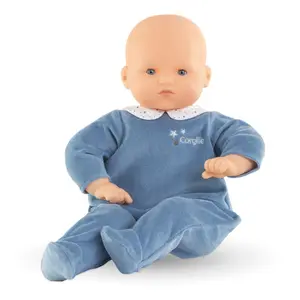


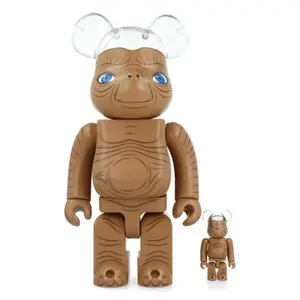

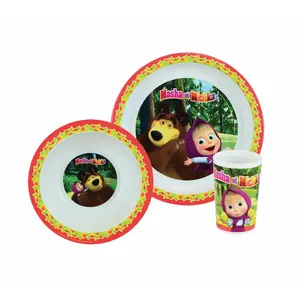


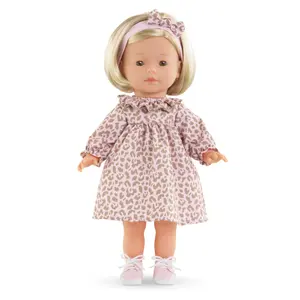
The games and toys clearance brings together end-of-line items for all ages: Dobby rattles and classic soft toys from Rainbow Designs, Miffy soft toys from Bon Ton Toys, a grow-with-your-child ride-on from Globber, a rainbow block set from Wooden Story, Hot Wheels cars, Nerf Vortex balls and HQ Kites kites for windy days.
Gift ideas for every age.
Age labels and EN 71 standards: choosing a safe toy
Every toy sold in the European Union carries the CE marking, which shows that the manufacturer states it complies with the toy safety directive and the EN 71 series of standards: mechanical strength, flammability and the migration of certain chemical elements. The age shown on the packaging is not a guide to skill level; it is a safety instruction.
The crossed-out “0–3” symbol indicates a toy that is not recommended for children under thirty-six months, usually because it contains small parts that a toddler could swallow. A rattle or first soft toy is designed without detachable parts; a building set with small pieces or a foam dart launcher is intended for older children, even if a younger sibling wants to play with their older brother or sister.
Other end-of-line offers for children
Clearance offers cover all kinds of children’s equipment. The outdoor and sports page adds trampolines, swings and balls to outdoor play, while the bedroom page offers storage and night lights for keeping bedtime treasures. Parents of toddlers can browse baby care, while families getting ready for the new school year can look at end-of-line clothing and shoes.
Licensed rattles and soft toys for little ones
A baby’s first toys are often soft toys featuring their favourite characters. Rainbow Designs, a British company specialising in children’s literary characters, makes the classic Eeyore soft toy, Winnie-the-Pooh’s donkey, as well as a Harry Potter range designed for babies, including a Dobby the house-elf rattle.
Bon Ton Toys makes Miffy, the little rabbit drawn by Dutch artist Dick Bruna in 1955, in a corduroy version, as well as its fluffy Smiley soft toy. For nature-lovers, the George elephant by Flow Amsterdam and Fabelab’s Buddy, from a Danish brand committed to organic cotton, comfort little ones at bedtime.
Cars, blocks and balls for growing children
- Hot Wheels, launched by Mattel in 1968, are 1:64 scale miniature cars, originally designed with slim wheels to go fast on tracks.
- The XL rainbow block tray by Wooden Story, a family-run Polish manufacturer, has sixty-three natural wooden blocks in graduated colours, for sorting, stacking and making things up.
- Nerf Vortex foam balls are shaped like an American football with a tail to guide their flight; the Howler version whistles as it flies.
- Globber’s Learning Bike ride-on accompanies children from around one to three years old, first pushed along, then used as a balance bike.
Reduced-price toys: key times of year
Toys are bought mostly for the festive season, but not only then. Black Friday comes before the end-of-year festivities and is a chance to get ahead with the Christmas list, while the winter sales are useful for early-year birthday presents. The spring French Days and summer sales are the time for outdoor games and kites, before the new school year. General clearance, special offers and new arrivals round out the selection.
Kites and balls that bounce on water
Warmer weather brings back outdoor games. The Maestro kite by HQ Kites, a specialist maker of leisure and sport kites, goes well with the same brand’s rainbow spiral tail, which waves behind it and can be seen from far away in the sky. You’ll need a beach or a large open field, away from power lines and trees.
Waboba balls, made of soft gel covered in fabric, bounce on the surface of the water when thrown flat: a pool or beach game for children and adults alike. The lighter Moon Ball bounces very high off the ground, while packs of Tropical Kahuna or Zag balls bring fun to birthday parties.
Frequently asked questions
How do you wash a soft toy without damaging it?
Check the label first: many soft toys can go in the washing machine at thirty degrees, in a laundry bag or a closed pillowcase. Those with a sound or light mechanism should be surface-cleaned with a damp glove. Dry flat in the open air.
What toy should you give a one-year-old?
At one year old, children enjoy pushing, stacking and handling things: a ride-on toy, large wooden blocks or a fabric book are all good choices. Avoid anything with small parts and check the age label on the packaging.
Are wooden toys safer than plastic toys?
Both meet the same EN 71 standard requirements. Wood mainly offers durability and a feel that many people like; check that it is sanded smooth with no splinters and that its finish is suitable for a child who may put it in their mouth.
At what age can a child fly a kite?
A single-line kite can be flown from the age of four or five with an adult’s help. The adult can launch it and hold the handle in strong winds. Two-line stunt kites are generally more suitable from eight years old.
How can you stop toys piling up unused?
Rotation works well: leave a few toys within reach and put the rest away, then swap them every two or three weeks. This lets children rediscover their toys and play with each one for longer.











