
End-of-line children’s shoes


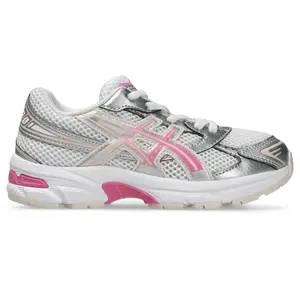

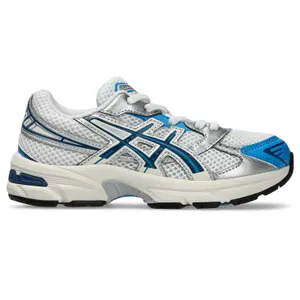

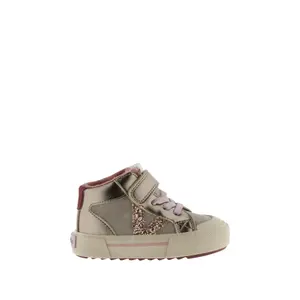
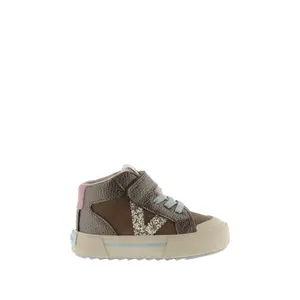


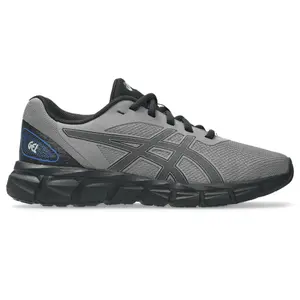


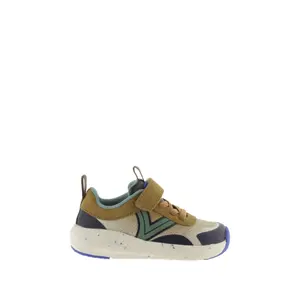
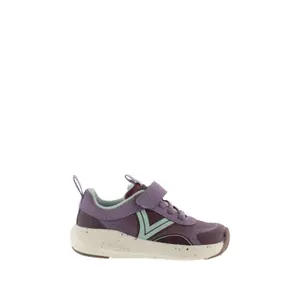
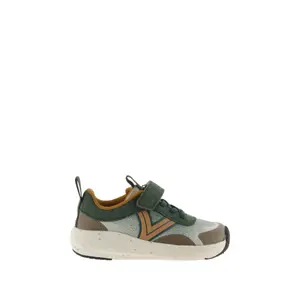
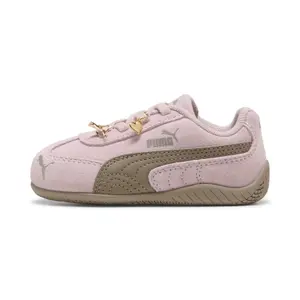


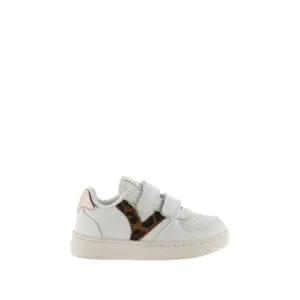
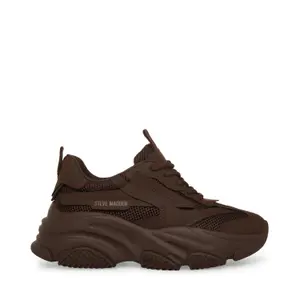


Children’s shoe clearance brings together the last remaining sizes of end-of-line styles: retro running trainers Asics, canvas pumps Victoria, glittery hook-and-loop trainers Gola, breathable soles Geox, trainers Skechers, Chelsea boots Blundstone and ankle boots Palladium. Remaining sizes vary from one style to another.
Last remaining sizes, from little ones to teenagers.
What size should you choose for end-of-line shoes?
The right size is based on the length of the foot in centimetres, measured while standing, with the heel against a wall, at the end of the day when the foot is slightly swollen. Add about one centimetre of room in front of the big toe, then compare the measurement with the brand's size guide: a size 30 in one brand may correspond to a size 31 in another.
Children's feet grow quickly, especially in the first few years: about one size every three months before the age of three, every four to five months up to the age of five, then more slowly. So choose end-of-line shoes in their current size or the next one up, rarely any bigger, otherwise they may never fit properly.
Other children's clearance ranges
Shoes go well with the other end-of-line ranges. The clothing clearance range includes coats and matching outfits, while the outdoor and sports page has garden and sports equipment. For little ones, baby care brings together pushchair and feeding accessories, bedroom has night lights and storage, and games and toys has end-of-line gift ideas.
Asics trainers in children's sizes: GS and PS
Asics children's models carry two labels that refer to size ranges, not different models. PS, for Pre-School, covers younger children, often with elastic laces or a hook-and-loop fastening; GS, for Grade School, is aimed at school-age children and teenagers, with standard lacing similar to the adult version.
The Gel-1130, released in 2008 as an affordable model in the Gel-1000 series, has become an everyday trainer thanks to its retro look. The Gel-Quantum Lyte has a more contemporary shape, while the Gel-Venture has a chunky tread that grips on dirt paths and the school playground grass.
Victoria, Gola and Geox: canvas, hook-and-loop fastenings and breathable soles
- Victoria, a Spanish brand founded in 1915, became known for its canvas tennis shoes with vulcanised rubber soles. The Tribu builds on this design with a thicker sole, and its Horma Ancha version, which means wide fit in Spanish, suits wider feet.
- Gola, founded in Leicester in 1905, drew on its 1970s archives for the Viper; the glittery Glimmer Strap version fastens with a hook-and-loop strap.
- Geox, founded in Italy in 1995, started out with a children's collection: its perforated sole, lined with a membrane, lets sweat escape without letting water in.
Children's shoes at reduced prices throughout the year
As children's shoes need replacing as they grow, every key shopping period counts. Black Friday and the festive season are the time to buy winter ankle boots, while the winter sales are a good time to find trainers from the previous collection. The spring French Days and summer sales are ideal for sandals and canvas tennis shoes, ahead of back-to-school shopping. All year round, the general clearance section, great deals and new arrivals add to the choice.
Blundstone and Palladium ankle boots for winter
When it's wet and cold, ankle boots take over from trainers. The Blundstone Chelsea boots, from a brand founded in Hobart, Tasmania, in 1870, slip on without laces thanks to their elastic sides and rear pull tab: children can put them on by themselves as soon as they can pull on the tab.
Palladium, founded in France in 1920 to make aircraft tyres, used the same vulcanised rubber-on-canvas process for its shoes, giving them thick, chunky soles; its Pampa ankle boot, created in 1947, comes above the ankle. These boots are suitable for walks in the woods and the school run in the rain, as long as you put warm socks in them rather than buying a size that's too big.
Frequently asked questions
At what age can a child tie their shoes by themselves?
Most children manage it between the ages of five and six, with practice. Before then, and for nursery, hook-and-loop fastenings or elastic laces let them put their shoes on by themselves, which teachers appreciate.
How can you tell if a child's shoe has become too small?
Press the end of the shoe while the child is standing: you should be able to feel about a finger's width of space in front of the big toe. Red marks on the foot, a change in the way they walk or complaints from your child are signs it's time for a new pair.
Can you reuse an older child's shoes?
It's best to avoid it for children under three: the sole and upper will have moulded to the foot of the first wearer. For older children, a pair that's been worn very little and has no obvious wear on the heel can be passed on.
How do you clean children's canvas trainers?
First brush off any dry mud, then wash with cold soapy water and a soft brush. Leave them to air dry, stuffed with newspaper, away from a radiator, which can make the sole come unstuck.
Do children need high-top shoes for their first steps?
It's not necessary: first-step shoes mainly need a flexible sole that bends at the front and a heel counter that holds the heel in place. A higher upper only helps stop toddlers from taking their shoes off.











