
Baby shoes: trainers, sandals and boots at reduced prices


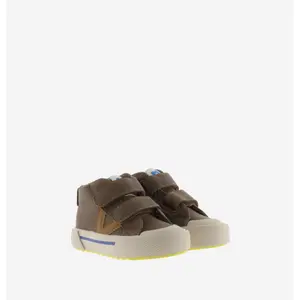
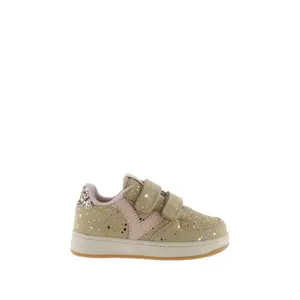
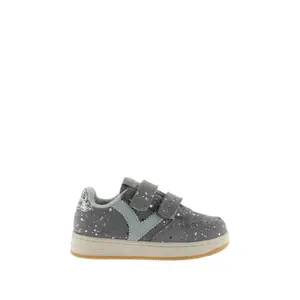


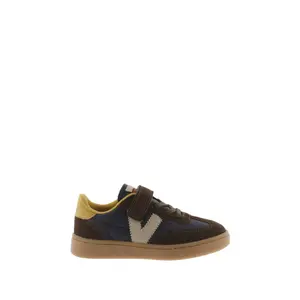
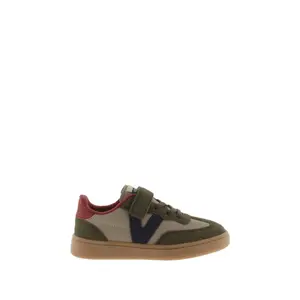
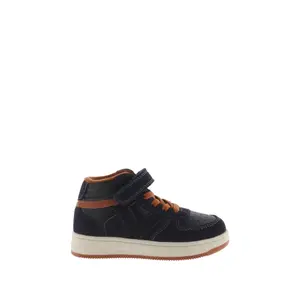
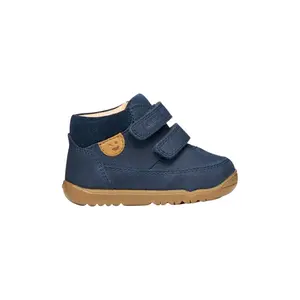


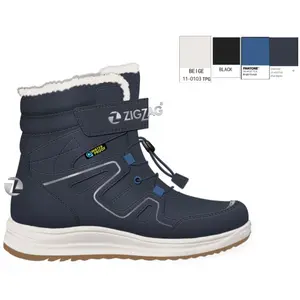
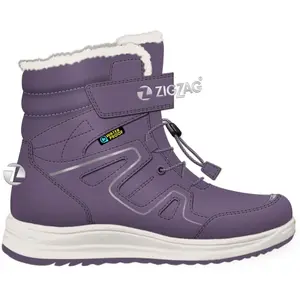


During a private sale, Sneakids offers a selection of branded baby shoes at reduced prices: soft touch-fastening trainers, open sandals, wellington boots and ankle boots by Victoria, Geox, Pom d'Api, Méduse or Blundstone. A great chance to plan ahead for the next shoe size, as long as you measure your child’s foot before ordering.
From first steps to running.
Before or after their first steps: which shoes for your baby?
As long as your child isn’t walking, shoes have just one job: keeping their feet warm. A soft slipper, with no rigid sole, lets their toes move freely and their feet get stronger. First steps usually come between nine and eighteen months; at home, walking barefoot is still the best way to find their balance.
Once they’re walking outdoors, look for a thin, flexible sole at the front that bends where the toes are, a firm heel counter to hold the heel in place and a reinforced toe to protect against bumps. A hook-and-loop fastening can be adjusted in seconds on a wriggly foot. So-called barefoot styles, such as the Kai Barefoot by Victoria or Reima’s Ankka wellington boot, take this idea further with a very thin sole and a wide toe box.
Complete your baby’s outfit at the private sale
Once you’ve found the right size, the private sale makes it easy to find matching items. The baby clothes selection includes rain suits, padded jackets and outfits to go with wellington boots and trainers, while the baby accessories range includes socks, hats and mittens, with non-slip socks for days spent indoors.
Measure your baby’s feet and allow for growth
Before the age of two, your baby’s feet can grow a shoe size every two to three months: check their size at least once a quarter rather than waiting for them to complain, as toddlers curl their toes and won’t tell you if their shoes are too short. To measure their feet, have your child stand with their heel against a wall on a sheet of paper, then mark the end of their longest toe, preferably at the end of the day.
Add a growth allowance of around one centimetre to this length, then check the brand’s size guide. Buying shoes that are too big isn’t a saving: if there’s more than a centimetre and a half of space, the foot slides forwards and your child may trip. The thumb test at the end of the shoe can often be misleading, precisely because toes curl up.
Baby trainers and sandals: what sets each brand apart
Victoria’s Tribu, from the Spanish footwear brand founded in La Rioja in 1915, comes in canvas, suede or with metallic stripes, with a rubber sole and hook-and-loop fastening. French brand Pom d'Api, founded in 1973, uses soft leather for its Yaka Star, while adidas’ Runfalcon and Puma’s Smash bring the look of sports trainers to baby shoes, sometimes featuring a character such as Spider-Man.
For summer, Geox’s Zapito sandals draw on the Italian brand’s expertise, built on a patented breathable sole since its founding in 1995, while adidas’ Altaventure has an adjustable fastening. A sandal with a closed toe protects little toes better than an open style, which is a real plus for a child discovering sand and gravel.
Baby shoes: when to buy a new pair at the best time
Baby feet grow quickly, and each new shoe size can coincide with a key time of year. Black Friday is a good time to buy ankle boots and winter boots, the festive season is ideal for gifting their first slippers, and the winter sales are a chance to find shoes for the colder months. The spring French Days herald sandal season, the summer sales clear open styles, and starting nursery calls for a pair of trainers with hook-and-loop fastenings. Between sales, you can also find a bargain in the special offers and clearance sections.
Wellington boots and ankle boots for wet-weather outings
Méduse’s Airport wellington boot continues a story that began in Auvergne in 1946, when one-piece moulded plastic replaced the leather that was impossible to find after the war. Lightweight and easy to rinse clean, it can be worn with thick socks. At Reima, the Finnish brand founded in 1944, the Ankles stands out for its low shaft, which is quick to pull on.
For autumn, the Chelsea boot from Blundstone, a Tasmanian brand established in 1870, brings back its style with elasticated sides: no laces or hook-and-loop fastening, and it slips on in one easy motion while holding the ankle securely. Always choose wellington boots with a little more room than trainers, so you can fit a warm sock inside without squeezing the foot.
Frequently asked questions
At what age should I buy my baby their first proper shoes?
Wait until they can walk on their own and start going out on foot: before then, soft slippers are enough. Their first pair of outdoor shoes should be lightweight and flexible, to support their still-wobbly steps without restricting their feet.
What shoe size does a one-year-old wear?
At around one year old, most children wear a size 19 to 21, but there can be a real difference between two babies of the same age. Measuring their foot while they’re standing, and allowing for growth, is the only way to choose the right size, especially when ordering ahead.
Are barefoot styles suitable for toddlers?
Yes, their thin sole and wide toe box are closer to walking barefoot, which many professionals consider good for foot development. Just make sure the heel is held securely and the sole provides enough protection on uneven ground.
How do I care for my baby’s suede shoes?
Once the mud has dried, brush the suede with a crepe brush, then apply a suitable waterproofing spray before their first outings. If the shoes get wet, stuff them with newspaper and leave them to dry away from a radiator so the leather doesn’t become stiff.
Can I reuse shoes worn by an older child?
That’s generally fine for wellington boots or slippers. For walking shoes, it’s better to buy a new pair: the sole and upper will have moulded to another child’s foot and may encourage poor foot placement.











