
Boys’ boots and ankle boots on sale
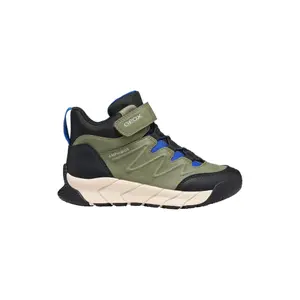
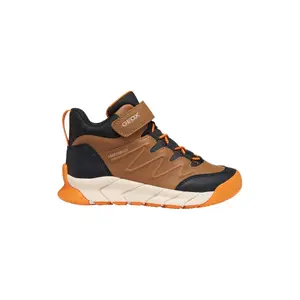
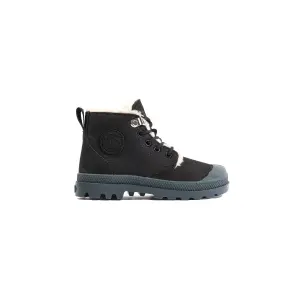


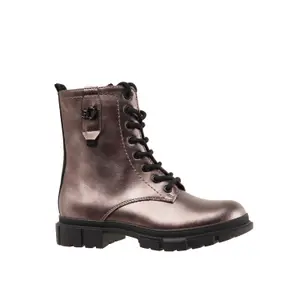
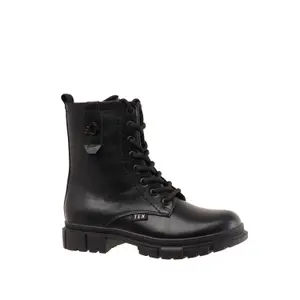
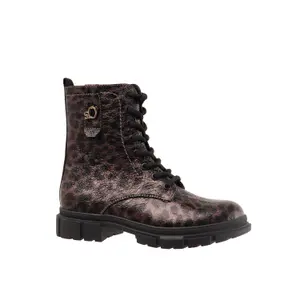

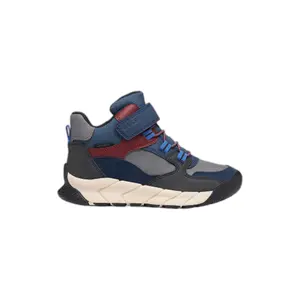
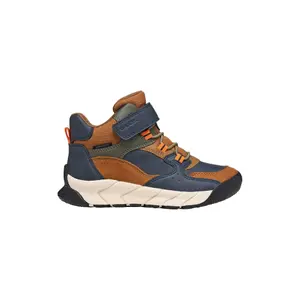


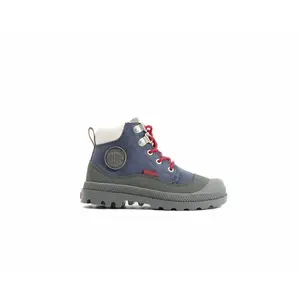

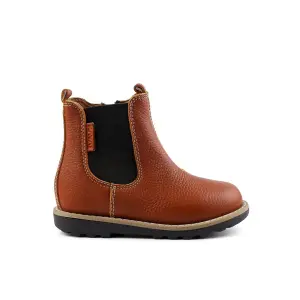


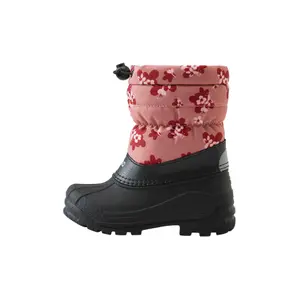

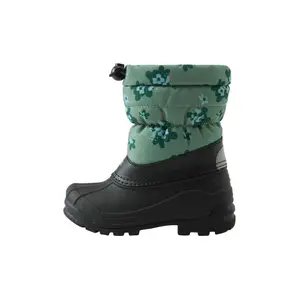


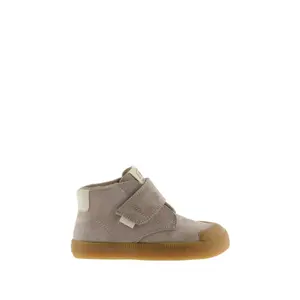
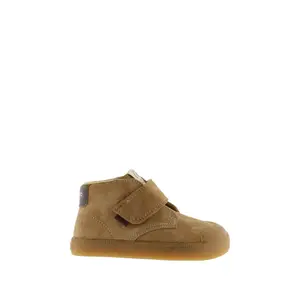
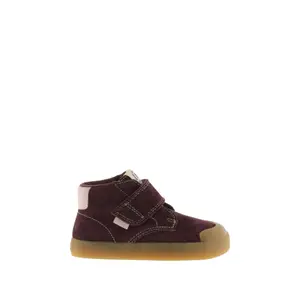
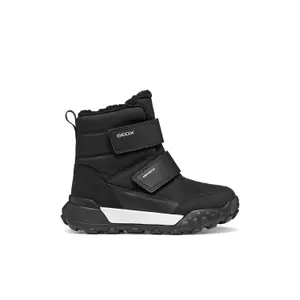
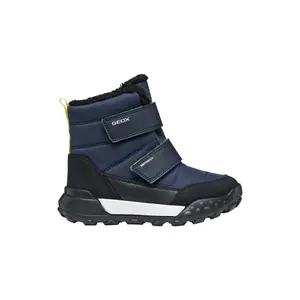
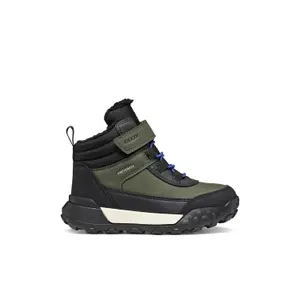


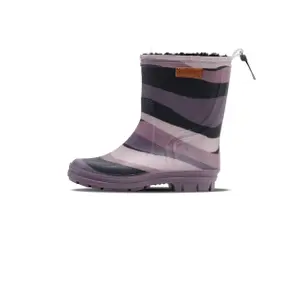
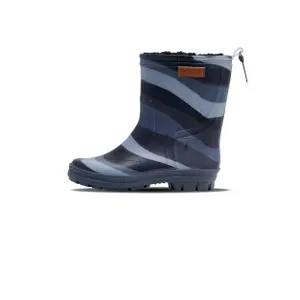

Puddles in the playground, weekend snow, walks in the woods: boots are the pair for days when trainers aren’t enough. This sale selection of boys’ boots brings together Chelsea boots from Blundstone, Pampa ankle boots from Palladium, styles from Camper, Aster and Geox, wellington boots from Grubs and Mikk-Line, and winter boots from Reima.
Keeping feet dry, from autumn until the thaw.
Rain boots, winter boots or ankle boots
Rain boots keep puddles and mud at bay: natural rubber stays flexible in cold weather, while PVC tends to harden. Grubs, a manufacturer from Bolton that launched its neoprene-shaft boots in 2000, relies on this insulating material to keep feet warm, while Mikk-Line, a Danish outdoor brand, offers its Wellies in a barefoot version with a thin, flat sole. Winter boots add a warm lining and a waterproof membrane: that’s the idea behind the Reimatec Quicker and Vimpeli by Reima, a Finnish brand founded in 1944. Ankle boots, which are shorter, are suited to wet school days without snow.
Other boys' shoes in the sale
When the weather turns fine again, boys' trainers in the sale are back in the playground. In summer, boys' sandals and flip-flops let feet breathe, while other boys' shoes include slides, boat shoes and water shoes.
Chelsea and Pampa boots: a long history
The Chelsea boot owes its elastic side panels to Joseph Sparkes Hall, bootmaker to the British queen in the mid-nineteenth century, and its name to the London district where it came back into fashion in the 1960s. With no laces or hook-and-loop fasteners, it slips on easily thanks to its pull tab at the back: Blundstone, founded in Hobart, Tasmania, in 1870, is known for its hard-wearing boots. The Pampa by Palladium, created in 1947 by a company that had previously made aircraft tyres, combines canvas and rubber; its waterproof Hi Cuff versions rise high over the ankle. Camper, a Majorcan brand, makes more urban-style ankle boots such as the Brutus.
Socks, size and shaft: getting the right fit
Choose boots with the winter socks your son will wear: thick wool socks often call for half a size up. Leave about a centimetre of room in front of the toes, but no more, or the heel will lift with every step and rub. Check the shaft circumference: rain boots should slip easily over a clothed calf without gaping enough to let rain in. Double hook-and-loop fastenings, like those on the Flexyper by Geox, make getting dressed easier for younger children. Aster, a French children's footwear brand since 1913, favours leather that moulds to the foot.
Boots and ankle boots in the sale, from autumn to spring
It’s best to buy boots before the first bad weather, but there are several opportunities throughout the year. Black Friday falls just before winter, when it’s time for a fleece-lined pair, and the festive season is a good time to give leather boots as a present. The winter sales are a chance to replace boots that have become too small in the middle of the cold season; the spring French Days and summer sales clear end-of-line stock, while the new school year brings the return of puddles. Great deals round things off.
Frequently asked questions
Do rubber boots make feet sweat?
Rubber doesn’t breathe, so moisture stays inside after a long day. Wool or thick cotton socks absorb sweat, and you can take out the removable insole in the evening to dry.
How do you care for children's leather boots?
Brush off the mud once it’s dry, nourish the leather with a suitable cream and apply a waterproofing spray before winter. Leave them to dry away from the radiator, stuffed with newspaper to help them keep their shape.
Can children wear fleece-lined boots all day in class?
They keep feet warm outside, but in a heated classroom feet sweat and eventually get cold. Many nursery schools ask children to wear indoor shoes, so pop a pair in their school bag on snowy days.
Should suede ankle boots be waterproofed?
Yes, suede absorbs water and stains easily. Spray a waterproofing product onto a clean, dry pair, leave it to work overnight, then repeat regularly in wet weather.
When should you start wearing lined boots?
As soon as temperatures get close to zero or snow starts to settle, a lined pair with a waterproof membrane offers better protection than trainers. For ordinary autumn rain, rubber boots or waterproof ankle boots are enough.











