
Boys’ trainers at sale prices


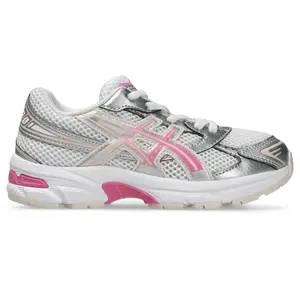

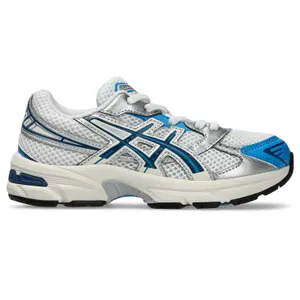


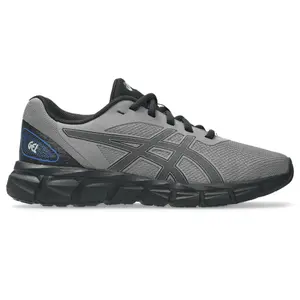


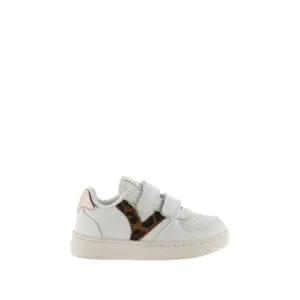


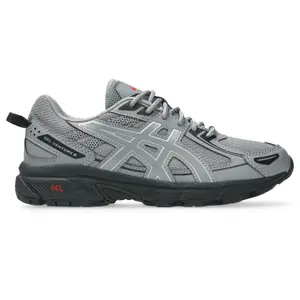
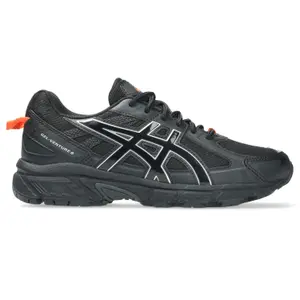


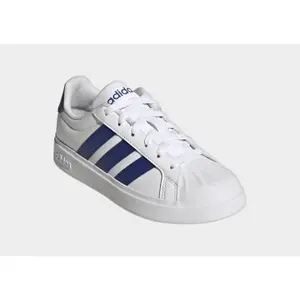
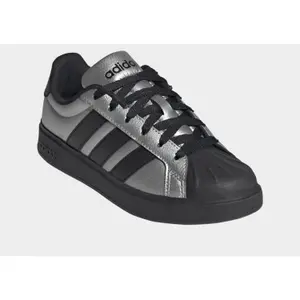

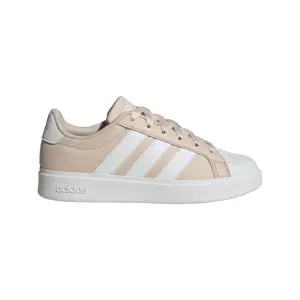

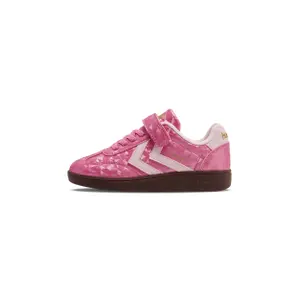
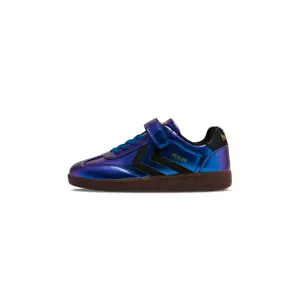


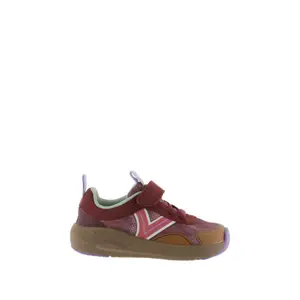
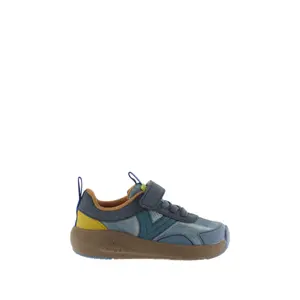
Trainers are the shoes your son wears out fastest, between the playground, the park and the football pitch. This selection of boys’ trainers in the sale includes the Gel-1130 and Gel-Quantum Lyte from Asics, the Viper, Hawk and Harrier from Gola, the Tribu from Victoria, the chunky-soled Skechers and the Cotjstrap from Superga, in hook-and-loop or lace-up styles.
For running, playing and walking all day.
Running, retro or canvas: three types of trainers
Running-inspired trainers focus on cushioning: the Gel-1130 by Asics, a brand founded in Kobe in 1949, takes its design cues from a running shoe from the late 2000s, while the Gel-Venture is made for dirt tracks. Retro styles draw on the archives: Gola, founded in Leicester in 1905 and named as an anagram of goal, brings back the Viper and Hawk, while Hummel's Slimmer Stadil recalls handball courts. Finally, canvas trainers are the lightest: Superga, founded in Turin in 1911, sets its trainers on a vulcanised rubber sole, while Victoria, founded in 1915 in La Rioja, makes them in dyed canvas.
Other boys' shoes in the sale
When the rain sets in, discounted boys' boots take over from trainers, from wellies to leather ankle boots. In warmer weather, boys' sandals and flip-flops let their feet breathe, while other boys' shoes include mules, boat shoes and espadrilles for the holidays.
Choosing trainers for your boy's age
At around two or three years old, trainers should be soft and lightweight: a sole that bends at the front of the foot, a low-cut upper and a fastening he can do up himself. Between four and six, playground races call for more cushioning and a heel counter that holds the heel in place, as on the Skechers Garage or Puma's Soft Wired. From seven or eight years old, lace-up styles offer more precise support for sport. For a wide foot, which is common in young children, the Victoria Tribu comes in a wider fit, which the brand calls horma ancha.
How to clean children's trainers without damaging them
Start by removing the laces and insoles, and hand-wash them separately. Canvas, as used in Victoria or Superga styles, can go in the washing machine at 30 degrees in a laundry bag, with a gentle detergent and no heavy spin cycle. Leather and suede should never go in the machine: brush them dry, then wipe them with a damp cloth and use a crepe brush on the suede. For the rubber sole, an old toothbrush and a little Marseille soap are enough. Leave them to air-dry, stuffed with paper, never in direct sunlight or against a radiator.
Your son's trainers, from one occasion to the next
A pair of trainers rarely lasts a child from one school year to the next. Black Friday and the festive season are good times to buy styles as gifts, the winter sales replace a pair that's become too small halfway through the year, and the spring French Days are a chance to update canvas trainers. The summer sales and back-to-school season are the time to get a pair for school, while great deals bring together end-of-line styles prepared and dispatched within 24 hours.
Frequently asked questions
What foot length corresponds to a size 28?
A French shoe size is two-thirds of a centimetre: a size 28 means a shoe with an inside length of around 18.7 centimetres. Your child's foot should be about one centimetre shorter to leave some growing room.
Are hook-and-loop styles only for little ones?
No, many larger sizes still have hook-and-loop fastenings, which are popular with children in a hurry and those who struggle with laces. However, they don't adjust as precisely as laces, which matters most for intensive sport.
How long does a pair last when worn every day?
Before the age of five, a child's foot often grows before the shoe wears out. Later on, a pair worn every day generally lasts a few months: keep an eye on wear to the sole at the heel and toe.
Do they need a pair just for PE in the gym?
Many schools ask children to have a clean pair just for the hall, to avoid getting the gym floor dirty. Everyday trainers are fine outdoors, as long as they hold the heel securely and the sole has a good grip.
High-top or low-top: which should you choose for a boy?
High-tops support the ankle better and keep out the cold, but they take longer to put on. Low-tops are lighter, making them a good choice for very active children and warmer weather.











