
Girls’ dresses and skirts on sale











The winter sales in January and the summer sales at the end of June each last four weeks. When it comes to dresses and skirts for girls, it’s a chance to find a jersey dress for school, a velvet dress for winter parties, a light cotton dress for summer or a skort that lets her play freely in the playground.
A dress for every day, one for special occasions.
Which dress for school, which dress for a party
For school, a dress should be easy to forget you’re wearing. A jersey dress or one in lightweight sweatshirt fabric slips on like a sweatshirt, doesn’t crease and stands up to frequent washing; the ideal length is just above the knee, so she can climb and run without getting in the way. Long sleeves and a simple neckline, with no buttons at the back, help her get dressed by herself.
For a party, wedding or birthday, you can go for something dressier: velvet in winter, printed cotton or broderie anglaise in summer, or a tulle skirt for special occasions. However, check that she can sit comfortably in the dress for a whole evening and that no label or seam rubs under her arms.
Pairing skirts and dresses with other girls’ sale items
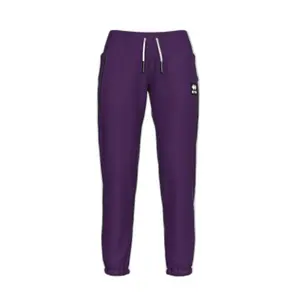
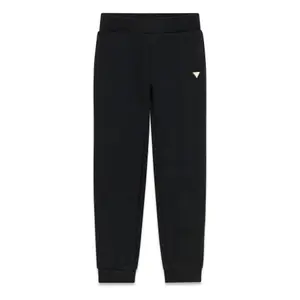
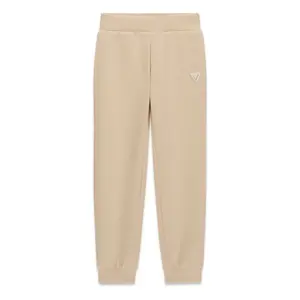
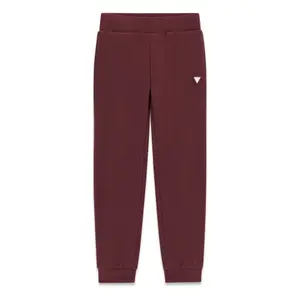
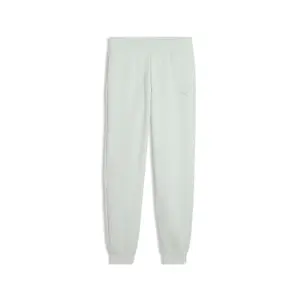
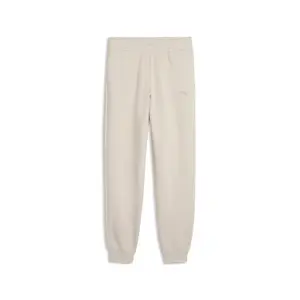
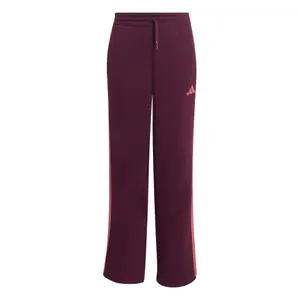
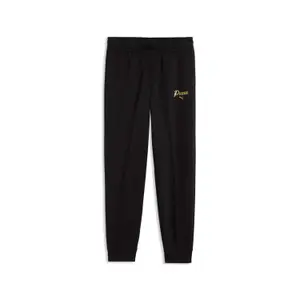
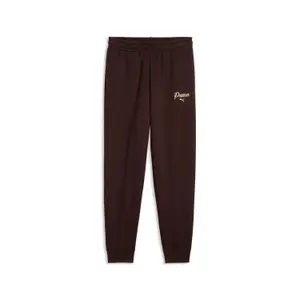
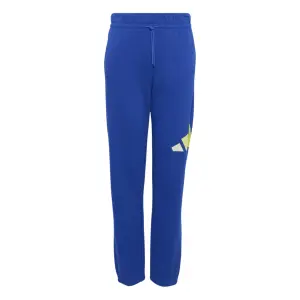
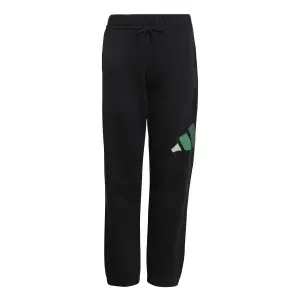
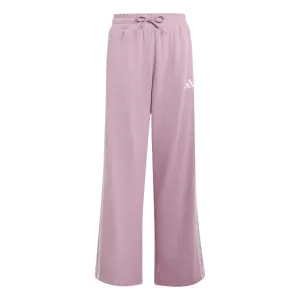
A skirt needs a top to go with it: girls’ T-shirts are a good match in summer, while sweatshirts and jumpers can be worn over a dress in winter. On days when your daughter would rather run around in trousers, trousers and jeans take over, from jogging bottoms to stretch jeans.
Skirt, skort or culottes for comfort in the playground
A skort looks like a skirt from the front, but has shorts underneath: your daughter can do cartwheels, climb on the climbing frame or sit on the ground without worrying about what she’s wearing. It’s the most practical option for playtime.
A pleated skirt and a skater skirt, flared from the waist, leave her legs free and twirl nicely; a denim skirt, which is straighter, is best if it has a little stretch. For a child, an elasticated waistband, at least at the back, avoids tricky buttons and adjusts to changes in waist size over the months.
Dress size according to height and shape
Choose a dress based first on your daughter’s height, which is what the size on the label refers to: an eight-year-old size is for around 128 cm, and a twelve-year-old size for 152 cm. Then check the fit across the shoulders, the least flexible part of a dress: if the shoulders droop, it looks too big, even if the length is right.
A-line dresses, which flare out below the arms, and styles with an elasticated gathered waist allow for a little extra room and can be worn for longer: they simply become shorter and can be worn as a tunic. If you’re buying a dress for a special occasion in the sales several months ahead, choose a size up and allow for the hem to be altered.
Girls’ dresses and skirts at the right time of year
Party dresses are often found out of season. Black Friday comes before the end-of-year festivities and their dressy outfits, then the winter sales clear out velvet and knitted dresses. The spring French Days come before communions and weddings, summer sales offer lightweight cotton dresses, and the back-to-school season brings school dresses back into focus. For the rest of the year, great deals bring together the other offers.
Frequently asked questions
How can you wear a dress in winter without getting cold?
Pair it with thick tights or fleece-lined cotton leggings, and layer a cardigan or sweatshirt over it. A knitted or velvet dress keeps you warmer than lightweight cotton.
How do you wash a tulle or sequin dress?
Turn it inside out and hand-wash it, or use a cold, delicate cycle in a laundry bag. Dry it flat without spinning, and never iron directly over the tulle or sequins.
What skirt length is best for a little girl?
Just above the knee is the most practical length for playing: the skirt won’t get in the way when she runs or climbs. Longer, mid-calf styles are better for quieter outings and special occasions.
Is a dress suitable for school sports days?
It’s best to avoid one on those days, or put cycling shorts underneath so your daughter can run and jump freely. Jogging bottoms are still the most suitable outfit for PE.
How can you stop a cotton dress shrinking in the wash?
Wash it at no more than thirty degrees and air-dry it on a hanger rather than putting it in the tumble dryer. Gently tug the seams while it is still damp to help it regain its shape.











