
Girls’ T-shirts on sale, for every day
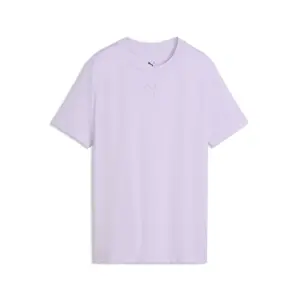
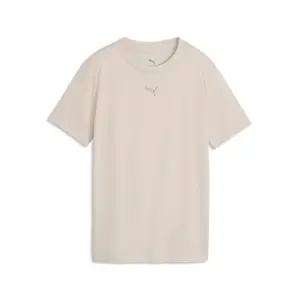
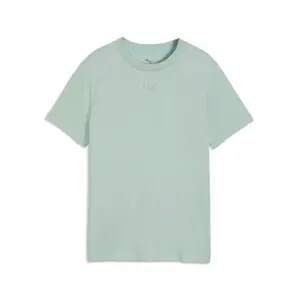


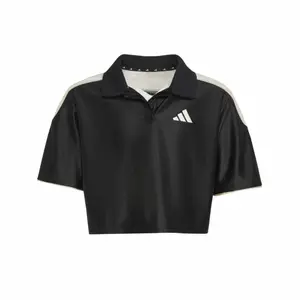
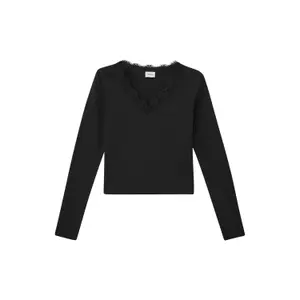
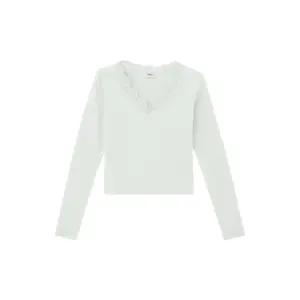
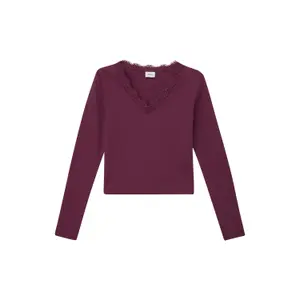


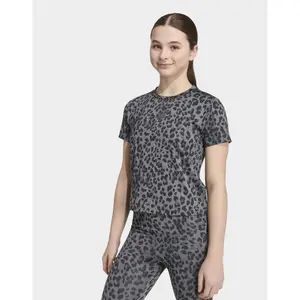
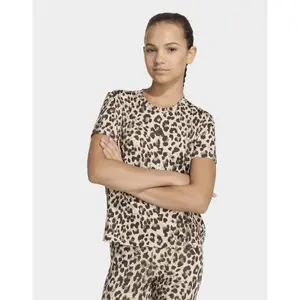


The sales return in January and then at the end of June, lasting four weeks each time. Girls’ T-shirts feature prominently: cotton jersey T-shirts from Fruit of the Loom, logo styles from Guess and Nike, short sleeves for summer, long sleeves to layer under a jumper and cropped styles for older girls.
A basic you can never have too many of.
Short sleeves, long sleeves or a cropped fit
The short-sleeved T-shirt can be worn on its own from spring until the start of the school year, and under a sweatshirt on cooler days. The long-sleeved T-shirt makes a good first layer in winter: worn close to the body, it doesn’t bunch up under a jumper and protects the arms from scratchy wool.
Older schoolgirls like the cropped fit, which ends above the waist and goes well with high-waisted trousers. For primary school, a classic length covers the back better when a child bends down or sits on the floor. A round neck, the most common style, is easy to pull on; a slightly wider neckline makes it easier for younger children to get their heads through.
Other girls’ clothes in the sale
A T-shirt is easy to layer and match with other clothes. Sweatshirts and jumpers go over it when it’s cold, from hooded fleece to knitted jumpers. For bottoms, trousers and jeans range from joggers to denim, while dresses and skirts can be worn with a T-shirt tucked in or tied at the waist.
Jersey and fabric weight: how to spot a T-shirt that lasts
Almost all T-shirts are made from jersey, a fine, stretchy knit fabric. Its thickness is measured by its fabric weight, expressed in grams per square metre: the higher it is, the more opaque the T-shirt is, the better it holds its shape and the more resistant it is to washing. A lightweight jersey, on the other hand, dries faster and feels comfortable in hot weather.
Fruit of the Loom, founded in Rhode Island, USA, in 1851, has built its reputation on these cotton basics: the Original-T and Iconic are simple T-shirts with ribbed round necks, which can be worn on their own or under a jumper. Also check the side seams: a well-cut T-shirt won’t twist after a few washes.
UV-protective T-shirts: protect your daughter from the sun
An ordinary T-shirt doesn’t block all ultraviolet rays, especially if it’s thin, light-coloured or wet. For the beach or long days outdoors, a UV-protective T-shirt displays a UPF rating, which shows how well the fabric filters UV rays: a UPF 50 lets through just one fiftieth of the UV rays it receives. European standard EN 13758-2 sets the minimum at UPF 40 for a garment to be labelled as protective, and UPF 50+ is the highest rating.
This protection only covers the areas under the clothing: the face, neck and arms still need sunscreen and a hat. It also decreases as the fabric wears or stretches, so it’s important to follow the stated washing temperature.
Girls’ T-shirts at great prices all year round
T-shirts wear out quickly and need replacing often, so every key shopping period counts. Black Friday and the festive season are a good time to stock up on long sleeves, then the winter sales clear out the basics. The spring French Days mark the return of short sleeves, the summer sales see you through the holidays, and back-to-school is a chance to refresh school T-shirts. Special offers round things off for the rest of the year.
Frequently asked questions
How do you take a T-shirt off a young child without getting them stuck?
First take out their arms one at a time, then widen the neck with both hands and pull it over the face, from chin to forehead. To put it on, do the opposite and start with the head, then the arms.
What T-shirt size does a ten-year-old girl need?
Size 10 fits a child who is around 140 cm tall. If your daughter is taller than average for her age, or if she likes a loose fit, go up to size 12, designed for 152 cm.
How do you wash a printed or personalised T-shirt?
Turn it inside out, wash it at 30 degrees and iron it inside out, never directly over the design. Tumble-drying can crack the print and make flocking peel off over time.
How do you get a yellowed white T-shirt white again?
Soak it for a few hours in hot water with sodium percarbonate, then wash it as usual. Dry it in the sun, which naturally brightens white cotton.
How many T-shirts should you pack for a week’s holiday?
Allow one T-shirt per day, plus two spares for beach days or messy activities. If you’re staying somewhere with a washing machine, four or five are enough, as cotton jersey dries in a few hours.











