
Ballet flats for girls, from special occasions to the school playground
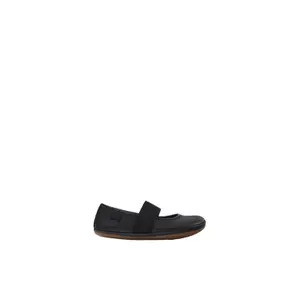

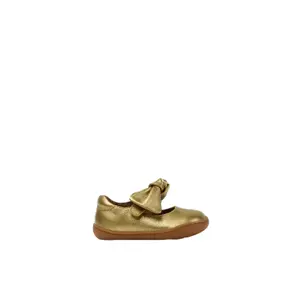
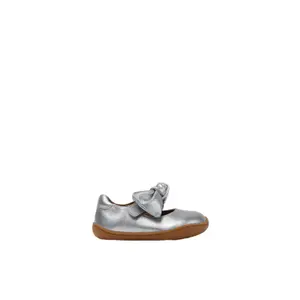


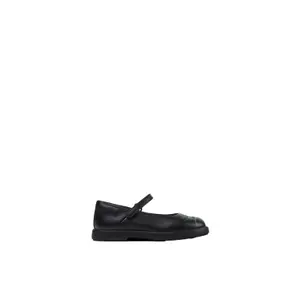
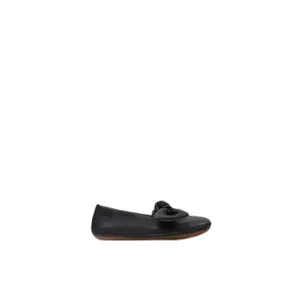
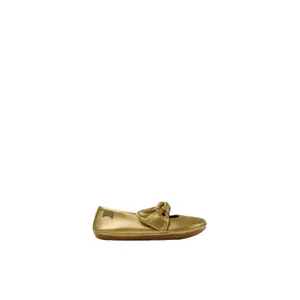
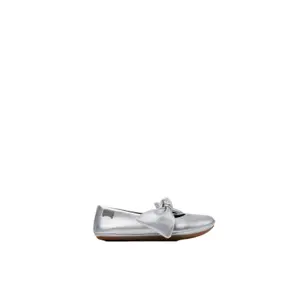
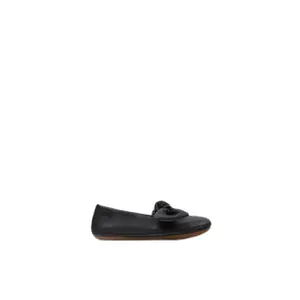
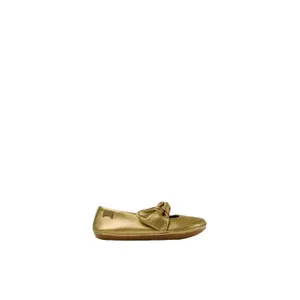
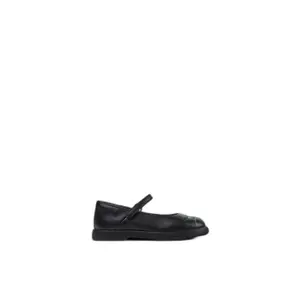
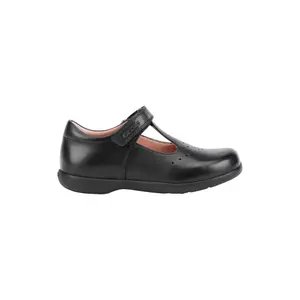


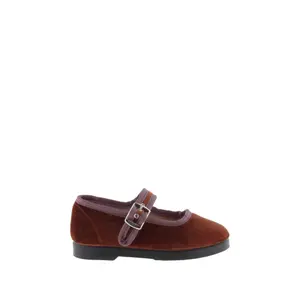


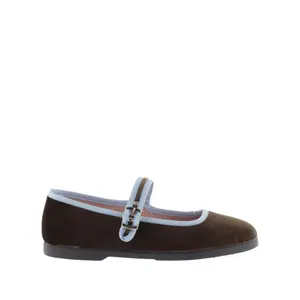


The girls’ ballet flat is the easiest dress shoe to slip on: a low-cut upper, a rounded toe and, on most children’s styles, a hook-and-loop or buckle strap to keep it on the instep. In smooth leather, patent leather or velvet, it is ideal for family celebrations, the start of the school year and warmer days, as long as the sole grips well and the fit is right.
The look of a ballet flat, the support of a proper shoe.
Why choose a ballet flat with a strap for a child
A ballet flat without a fastening stays on the foot only because of its shape. To keep it on, a child curls their toes with every step, which tires the arch and makes the shoe slip off at the first sprint. Podiatrists therefore recommend saving slip-on ballet flats for special occasions and choosing a strap style for a full day, as it holds the heel in the shoe.
A hook-and-loop strap is ideal for younger children, who can put their shoes on themselves from nursery age. A buckle strap is smarter, takes a little more dexterity and appeals to older girls. Spanish brand Cienta makes velvet ballet flats in both styles, while Camper, a Mallorcan company founded in 1975, makes girls' styles with a more graphic design.
Ballet flats by brand
Three brands have their own page. Young Soles ballet flats give the English Mary Jane a new look in leather, with a very lightweight white sole. At Gioseppo, the Elche-based brand offers colourful styles with a Mediterranean feel. Geox ballet flats benefit from the breathable sole that made the Italian brand famous, a real plus for a closed shoe worn all day.
Leather, patent or velvet: which material for the occasion
Smooth leather remains the most versatile material: it breathes, moulds to the shape of the foot and stands up to the playground. Patent leather is shiny and best saved for special occasions; it wipes clean with a sponge, but breathes less and creases at the front of the foot.
Velvet gives winter ballet flats a party feel and goes well with thick tights for Christmas or a birthday; it is not suited to rain and should be brushed dry in the direction of the pile. In warmer weather, a canvas or perforated leather upper keeps feet cool. In all cases, a leather lining limits perspiration much better than a synthetic one.
Sole and size: ballet flats that stay on all day
Turn the shoe over before buying. A textured rubber sole grips the floor of the school hall and wet paving, where a smooth sole would slip. It should bend easily at the front of the foot, where the toes flex, while the heel is held in place by a firm heel counter.
When it comes to sizing, ballet flats need more precision than trainers. As they have neither laces nor a high upper, too much room makes them slip off the foot: allow about one centimetre between the longest toe and the end of the shoe, no more. Measure the foot at the end of the day, when it is slightly swollen, and check the size every three months for younger children.
Girls' ballet flats: when to buy
Ballet flats are bought around the time of special occasions and changing seasons. Black Friday and the end-of-year festivities come just in time for velvet styles for Christmas meals. The sales in winter clear out lined ballet flats, then the spring French Days come before communions and weddings. During the summer sales and at the start of the school year, the shoe clearance page brings together end-of-line styles, while new arrivals feature styles for the new term.
Frequently asked questions
Are ballet flats suitable for dancing or gymnastics?
No, they are everyday shoes with a walking sole. Classical ballet is done in demi-pointe shoes, very flexible slippers with a split sole, while gymnastics is done barefoot or in gym slippers: check with the club.
What colour ballet flats should you choose for a christening or wedding?
White and ivory go with light-coloured outfits for special occasions, while gold or silver add a festive touch. Black and navy are the easiest shades to wear afterwards at school.
How do you care for patent leather ballet flats?
Wipe with a slightly damp soft cloth, then polish with a dry one. Avoid solvents and store each pair in a fabric bag: patent leather can pick up colour from plastic or another shoe if it touches them.
Can you wear ballet flats barefoot in summer?
With a leather lining, this is fine for short periods. For a full school day, invisible cotton ankle socks absorb perspiration and help prevent blisters on the heel, which are common when shoes are new.
Are ballet flats suitable for a child who has just started walking?
It is best to wait until they are walking confidently. During the first few months, a high-top shoe or one with a pronounced heel counter, fastened with hook and loop, gives the ankle more support than the very low upper of a ballet flat.











