
Baby shoes for French Days, from slippers to trainers
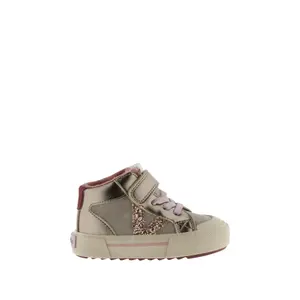
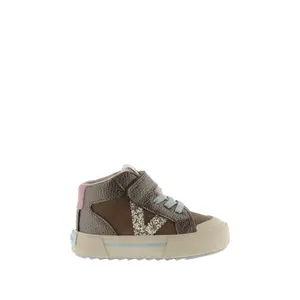


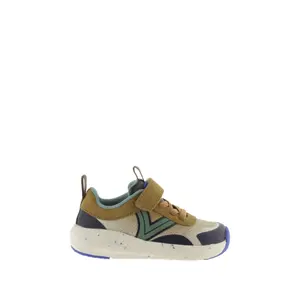
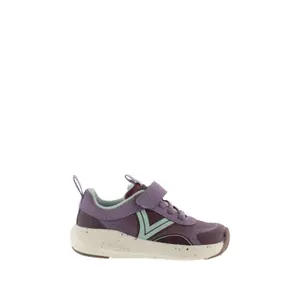
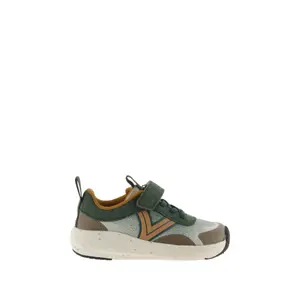
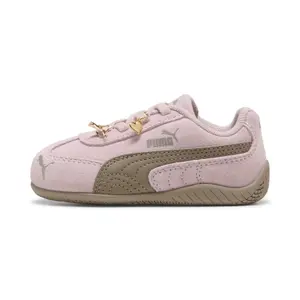


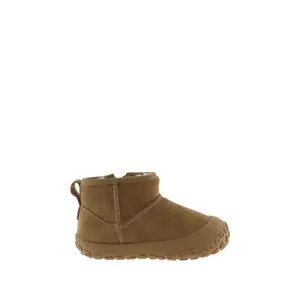
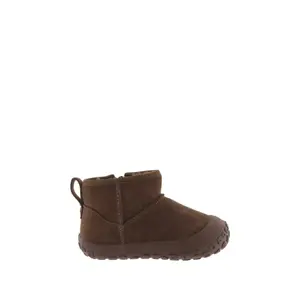


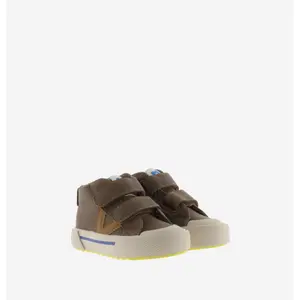


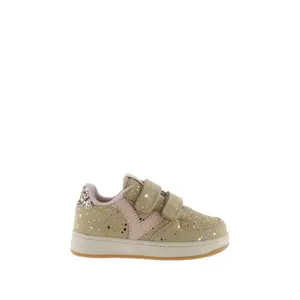
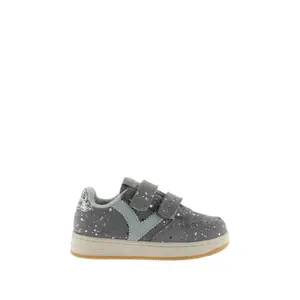


Baby shoes from the French Days are there for every stage: soft slippers from Les Pas Petits and Cienta before they start walking, touch-fastening trainers from Victoria, Shoo Pom or Pom d'Api for their first steps, wellies from Méduse and Reima for splashing in puddles, and sandals from Geox and Bisgaard for summer. Every age calls for its own sole, fastening and shoe size.
The right slipper, then the right trainer.
The French Days, the right time for the next shoe size
The French Days, a shopping event launched in 2018, return in spring and at the start of the new school year — two times when little ones often need a new pair of shoes. In spring, it’s time to swap boots for sandals and lightweight trainers; in September, for closed shoes and autumn wellies.
Before the age of two, little feet grow so quickly that they can go up a shoe size in two or three months. So it’s best to buy just one size up for a pair they’ll wear in the coming weeks, rather than stock up on several sizes that might never be worn at the right time.
Trainers and more: our selection of baby shoes
For first steps and nursery, the Trainers page brings together low-top styles with hook-and-loop fastenings, in suede, canvas or leather — easy to slip onto a wriggling little foot. The other shoes are for something a little different: espadrilles, boat shoes and water shoes for the beach and swimming pool.
Before walking and then taking their first steps: two different needs
While your baby is crawling or pulling themselves up on furniture, all they need are soft slippers that keep their feet warm without restricting them. Styles from Les Pas Petits, like those from Spanish brand Cienta, let little toes curl and spread freely, while a thin, non-slip sole helps prevent slips on wooden floors.
Once your child has been walking alone for a few weeks, their shoes should protect their feet outdoors without restricting them. Their feet naturally stay flat until around the age of four. Look for a flexible sole that bends at the front, a heel counter that holds the heel in place, and an upper or strap that stops the foot slipping out.
Wellies and sandals: shoes for every kind of weather
For autumn, lightweight, flexible wellies are better than stiff boots that are hard for a little walker to bend. Méduse wellies, from a French brand founded in 1946 around a moulded plastic sandal, and styles by Reima, including a barefoot version with a very thin sole, keep little feet dry in puddles.
In warmer weather, a closed-toe sandal protects little toes from bumps and stones while still letting feet breathe. Zapito styles by Geox and styles by Danish brand Bisgaard fasten with hook-and-loop straps, making it easy to adjust the fit over a high instep. Check that no strap leaves marks on the skin by the end of the day.
Baby shoes: key times of year
The right time to shop depends on the season you need the shoes for. Black Friday and the festive season are good for slippers and winter boots, followed by the winter sales, when warm styles are cleared. The spring edition of the French Days is a good time to get sandals ready, the summer sales offer the last lightweight pairs, and the start of the new school year puts closed shoes back in the first place. In between, clearance often offers a handful of leftover sizes.
Frequently asked questions
What shoe size does a one-year-old baby need?
There’s no standard shoe size for a particular age: at the same age, she can vary quite a lot from one baby to another. Measure the foot while your baby is standing, from heel to longest toe, add about a centimetre, then check the size guide for the brand you’ve chosen.
Do babies need high-top shoes for their first steps?
Not necessarily. A high-top helps keep the shoe on, but it doesn’t replace muscle strength, which is built up by walking. A well-fastened low-top trainer works just as well for a child who’s just starting out.
How can I tell if my baby’s shoes are too small?
With your child standing, press your thumb against the front of the shoe: there should be about a finger’s width between the longest toe and the end. Red marks on the foot after taking the shoe off, or a child who suddenly refuses to put it on, are signs that it’s time for a new pair.
Can a younger child wear their older sibling’s shoes?
Slippers are fine. For walking shoes, it’s better to get a new pair, as the sole and heel counter have moulded to the first child’s foot and the way they walk, which might not suit the second child.
Are baby shoes cheaper during the French Days?
They’re included in the discounts if their brands take part, subject to the sizes available. Small sizes sell out quickly, so measure your baby’s feet before the French Days begin, so you can order straight away.











