
Baby trainers during the French Days, from Velcro to zip fastenings
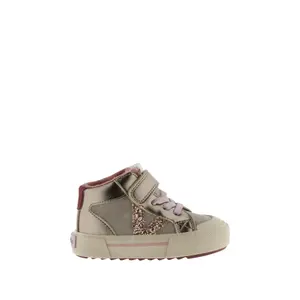
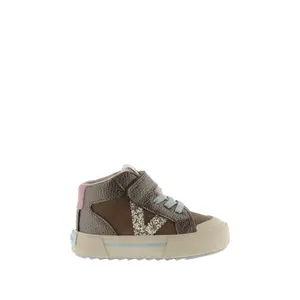


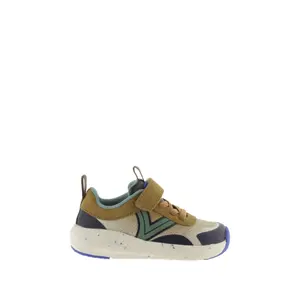
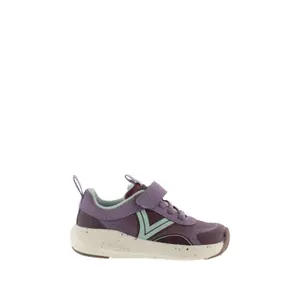
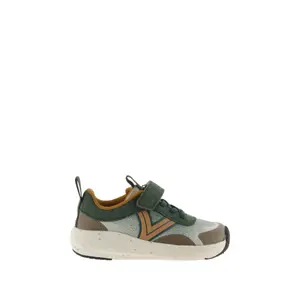
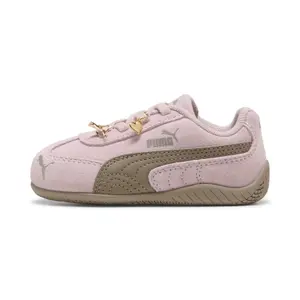


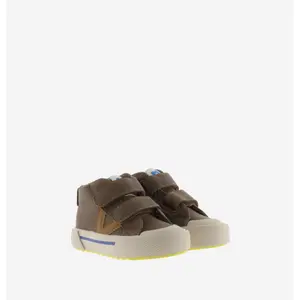


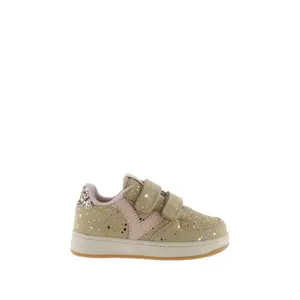
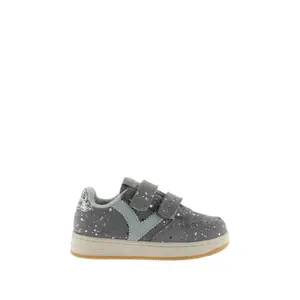


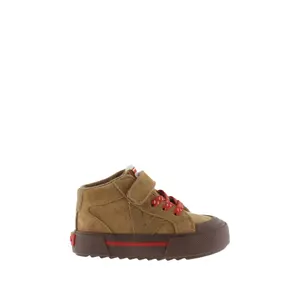
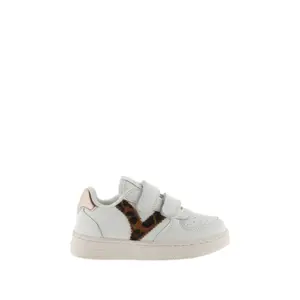

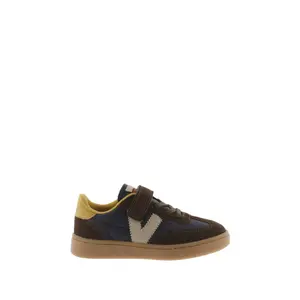
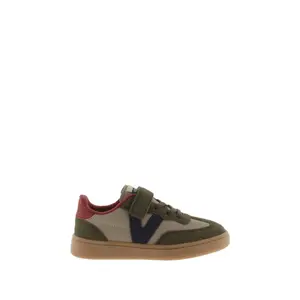
The baby trainers in the French Days collection support those first steps with low-cut, flexible styles: Victoria's Tribu with Velcro fastenings, in suede or canvas; Shoo Pom's Bouba with a zip; the Yaka by Pom d'Api; the Smash by Puma; or the adidas Runfalcon in Spider-Man colours. They all share the essentials: an adjustable fastening and a flexible sole.
Secure first steps, with no laces to tie.
Baby trainers and French Days: aim for the next size up
The French Days, a shopping event launched in 2018, return in spring and at the start of the school year, two times of year when baby trainers are replaced: canvas for warmer weather, suede or leather for autumn. It’s a chance to plan ahead for the next size up, as long as you don’t buy too far ahead.
A toddler’s feet grow in spurts. Stick to one size up, so the trainers will fit from the next time their feet grow, and measure their feet again just before putting them on: sometimes a few weeks is enough for a pair to become too tight.
Other baby shoes
For more specific needs, other shoes include espadrilles, boat shoes and water shoes for summer and dressier outings. The Shoes page brings together the full baby footwear selection, from indoor slippers to wellington boots.
Hook-and-loop, zip or elastic laces: choose the right fastening
On baby trainers, the fastening is just as important as the sole. Hook-and-loop fasteners, as on the Tribu by Victoria or the Joggy by Shoo Pom, let you adjust the fit in one go around a chubby instep. The side zip on the Bouba by Shoo Pom opens the shoe wide: the foot slips in without forcing it, and the lace is purely decorative.
Elastic laces, found on some Tribu styles, give them the look of grown-up trainers without any knots to retie. Whatever the fastening, the heel should sit snugly at the back: slide a finger between the heel and the back of the shoe; it should only just fit.
Suede, canvas or leather: choosing the material for baby trainers
Canvas is light and breathable, ideal from spring to the end of summer, but it lets moisture through. Suede, used by Victoria for its contrast Tribu or wide-fit version, is warmer and moulds to the foot; however, it doesn’t fare well in the rain, so it’s worth applying a waterproofing spray before the first outing.
Smooth leather, often used by Pom d'Api, a Vendée brand launched in 1973, stands up best to the scuffs caused by a child who still drags their feet and can be cleaned with a quick wipe of a sponge. For a little one who spends all day on all fours, it’s the material that stays looking smart for longest.
Baby trainers: the best times of year to buy
Black Friday and the festive season are good times to buy suede and leather trainers, which your child will wear all winter; the winter sales then clear the remaining warm styles. The spring edition of the French Days is a good time to get ready for canvas styles, summer sales offer more for the holidays, and the start of the school year puts closed trainers back in the spotlight. All year round, special offers and clearance can bring surprises.
Frequently asked questions
At what age should a baby wear trainers?
Once they’ve been walking on their own, without holding on, for a few weeks: before then, soft slippers or bare feet are enough. A baby’s first trainers are mainly there to protect their feet outdoors, on a cold or uneven surface, not to help them walk.
Which trainers are best for a baby with wide feet?
Look for a wider shape, such as the horma ancha version of the Tribu by Victoria, and a generous opening with hook-and-loop fasteners or a zip. Going up a size to get more width is a false economy: the shoe becomes too long and can make your child trip.
How do you clean baby trainers?
Remove the insole, brush off any dry dirt, then clean the upper with a damp sponge and a little soap. Treat suede with a suede eraser and special brush, without water; only put canvas styles in the washing machine if the care label says you can.
How long does a pair of baby trainers last?
Before the age of two, rarely more than two or three months, as feet grow a size at about that rate. Baby trainers rarely wear out before they’re too small: it’s the length, checked regularly, that tells you when to change them, not the condition of the sole.
Are baby trainers cheaper during the French Days?
Styles from participating brands are offered at reduced prices, while the size you need is still in stock. Note down your child’s foot length in advance so you can order as soon as the event starts, when the widest range of sizes is available.











