
Hats for boys, the French Days selection


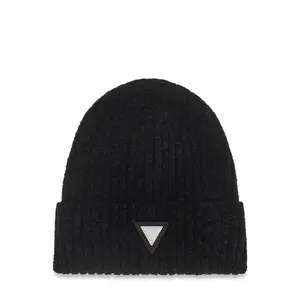
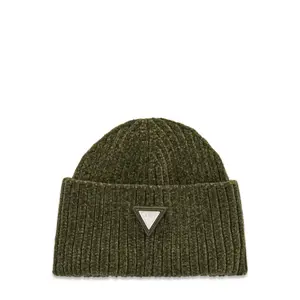
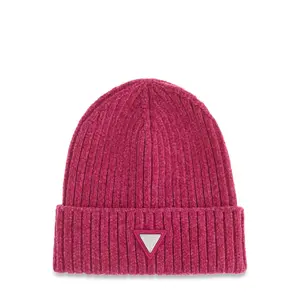
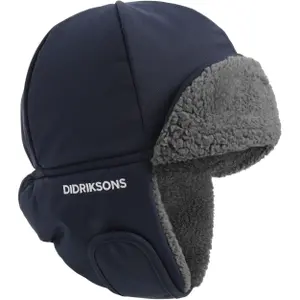
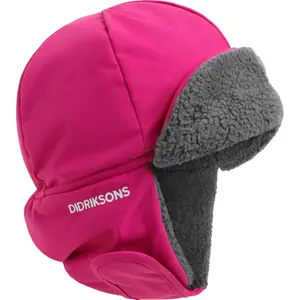
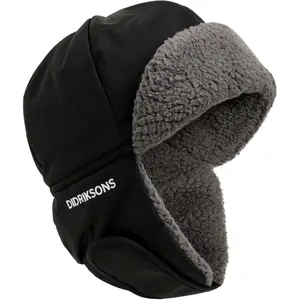
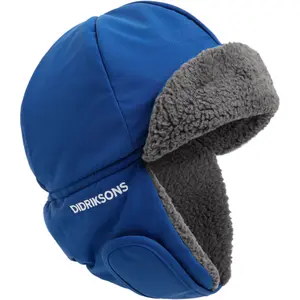
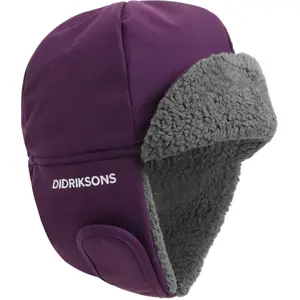
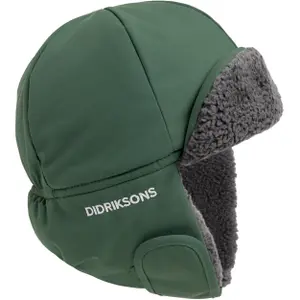
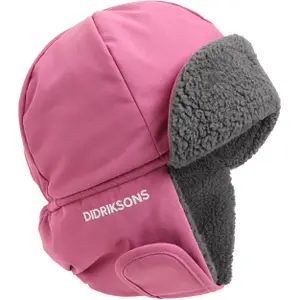
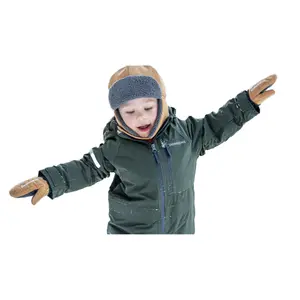
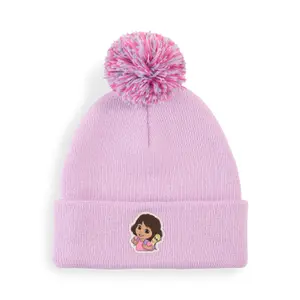
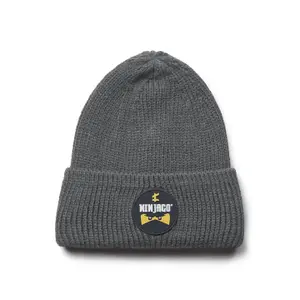


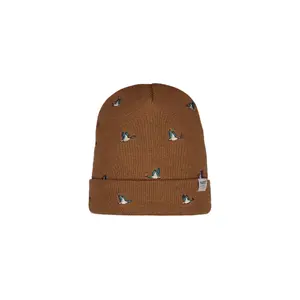


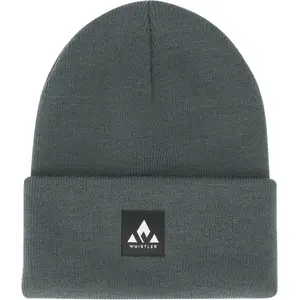
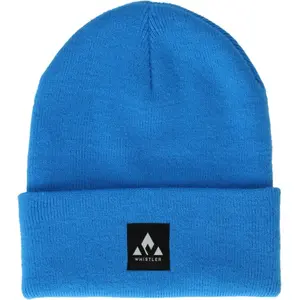


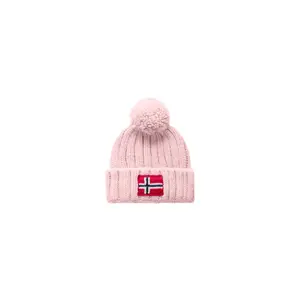
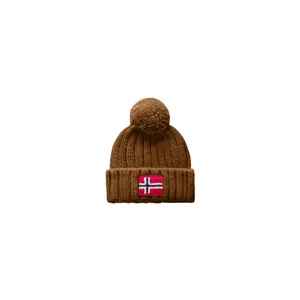


Boys' hats from the French Days selection keep a schoolboy's head and ears warm all winter: ribbed or bobble hats from Barts, lined styles from Isbjörn of Sweden for very cold weather, bear-ear hats from Guess for younger children, and Reima hats for playing outdoors. A simple accessory, to be chosen according to head size.
Warm ears from the school gates to the playground.
Measuring head circumference to choose a beanie size
Beanie sizes are given by head circumference, in centimetres. To measure it, place a soft tape measure above the eyebrows and ears, around the widest part of the head. As a guide, it is around 48 to 50 centimetres at about two years old, 52 centimetres at about six and 54 centimetres when starting secondary school.
A well-fitting beanie comes down to the bottom of the ears without slipping over the eyes. Ribbed knit styles are very stretchy, often fit several head sizes and keep up with growing children; a turned-up brim lets you make the beanie shorter while your child is small, then unfold it the following winter.
Scarves, gloves and boys' caps for French Days
A beanie goes well with other accessories. The Scarves & Gloves page brings together neck warmers, scarves and gloves to finish off a winter outfit and keep your child's neck and hands warm on the way to school. When the sun comes out, Caps take over, with adjustable baseball styles for warmer weather.
Wool, fleece, chenille: what makes a warm beanie
Wool insulates even when slightly damp and regulates heat well, but it can itch on sensitive foreheads. Acrylic fibres are softer and easier to wash, and look like wool but are less insulating. A fleece lining inside, around the ears or throughout the beanie, adds warmth without bulk and prevents itching.
Chenille yarn, with its velvety feel, as used in the Guess beanie, has a soft, fluffy finish that children love. Finally, cable or ribbed knit traps more air than fine knit and keeps you warmer on frosty mornings.
Barts, Isbjörn, Guess, Reima: a beanie for every use
- Barts, founded in Amsterdam in 1992 by Bart Koene, specialises in winter accessories: its children's beanies, such as the Monster or Kinabalu, come in styles with pom-poms, turn-ups and colourful knits for school.
- Isbjörn of Sweden, a Swedish children's outdoor clothing brand, makes beanies for really cold weather, such as the Squirrel.
- Reima, Finnish since 1944, designs its beanies for children who play outside for long periods, like the Pilkutus.
- Guess with its bear beanie, Sofie Schnoor with the Gabinesy, and Disney's Stitch beanie focus on style and characters.
When to buy a warm beanie at the best time
Choose beanies before the first frosts. Black Friday comes at just the right time, just before the festive season, when a beanie tucked under the tree is always a welcome gift. The winter sales then clear out styles from the cold-weather season; spring French Days and the summer sales clear the last pieces before the new school year. Special offers, clearance and autumn new arrivals take over.
Frequently asked questions
How do you wash a wool beanie without it felting?
Wash it by hand or on a wool cycle, in cold or lukewarm water, using a gentle detergent and without rubbing. Felting is caused by changes in temperature and friction: press it in a towel to remove excess water, then dry flat.
Can you wear a beanie under a ski helmet?
It is not recommended: a thick beanie stops the helmet fitting properly and reduces its protection in a fall. The helmet is already lined and insulated; if it is very cold, a thin balaclava is the only layer to wear underneath.
Do you really lose most of your body heat through your head?
This is a common misconception: the head loses heat in proportion to its surface area, like the rest of the body. In children, it makes up a larger share of the body's surface area, which is why it is worth covering when the weather turns cold.
Does a young child need a beanie with ear flaps?
Ear flaps, often with ties, cover little ones' ears well, especially if they keep pulling at their beanie. Choose a fastening with a hook-and-loop tab or press stud under the chin rather than long ties, which can get caught during play.
Can a pom-pom be a problem under a hood?
It can get in the way a little when you pull up a coat hood, which can bulge at the top of the head. For a child who often goes out in the rain, a pom-pom-free beanie that sits closer to the head is easier to wear with a hood.











