
Scarves and gloves for boys, French Days selection
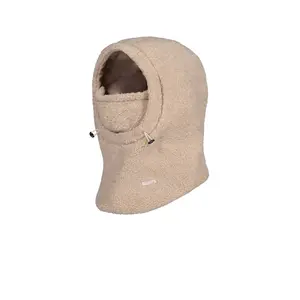
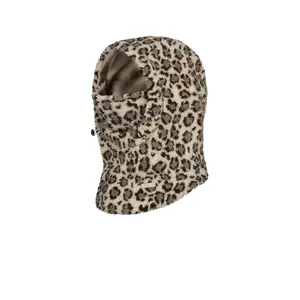
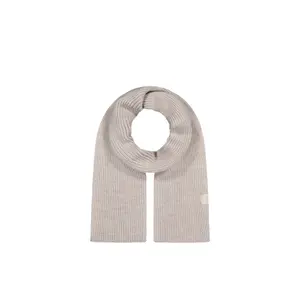
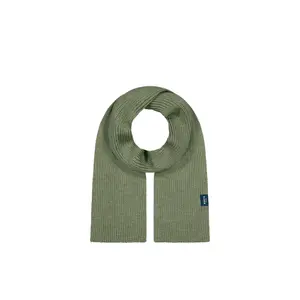
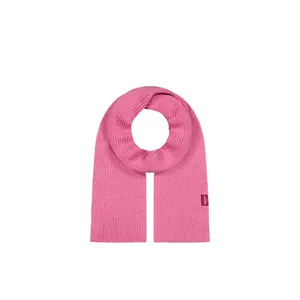
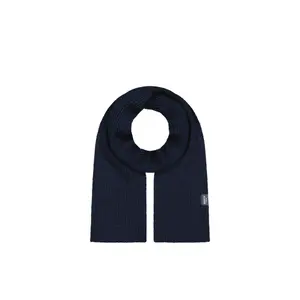
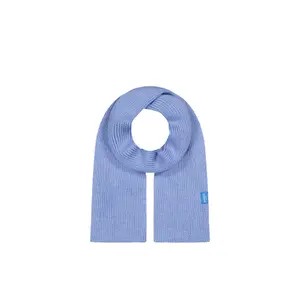


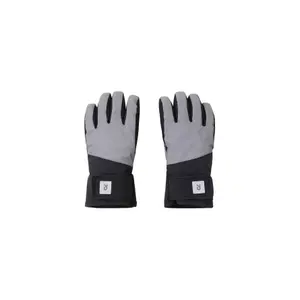


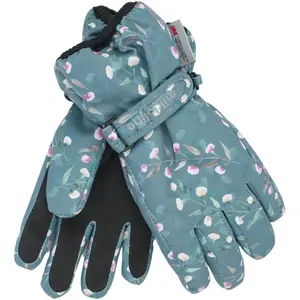
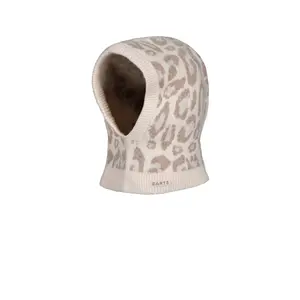
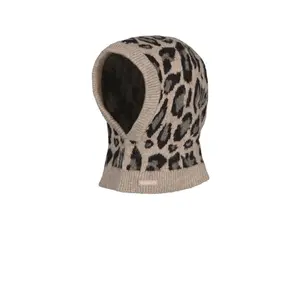
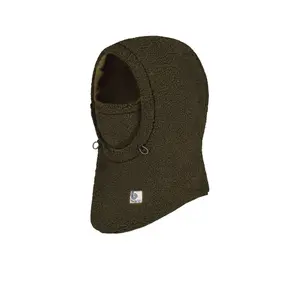
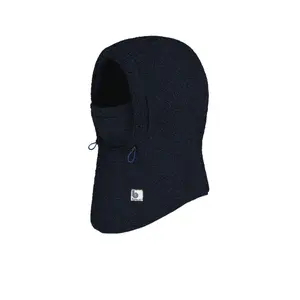
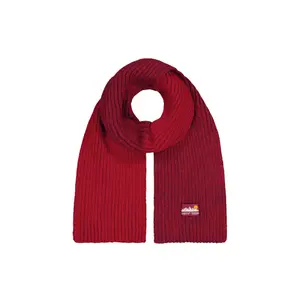
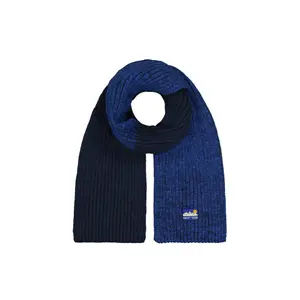
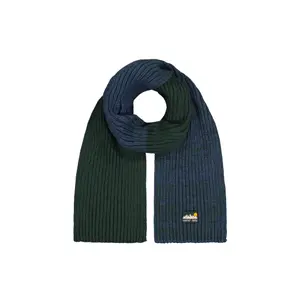
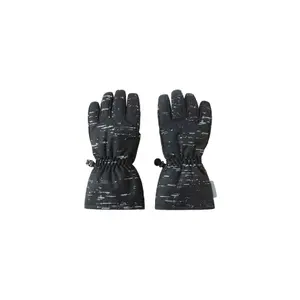
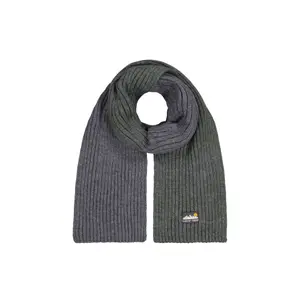
The boys' scarves and gloves in the French Days collection keep a schoolboy's neck and hands warm, on the way to school and out on the pitch: Nike Academy football gloves for winter training, gloves and mittens for break time and playing in the snow, and neck warmers and scarves for journeys in very cold weather.
Keep hands and neck warm all winter.
Gloves or mittens: what to choose for your son’s age
For younger children, mittens are still the warmest option: with their fingers together, they warm each other up, and they are easy to pull on without having to fit each finger into its own space, which can be tricky for a nursery-age child. A long cuff tucked under the coat sleeve keeps the snow out.
Gloves are the better choice once your son needs more dexterity: fastening his coat, holding a bike’s handlebars or catching a ball. For snow, choose a waterproof, lined pair; for dry journeys, knitted or fleece gloves are enough. Leave a little room at the fingertips to trap a layer of insulating air.
Boys’ hats and caps for the French Days
Gloves and scarves are best paired with a hat. The Hats page brings together knitted and woolly styles, as well as fleece-lined options, to cover the head and ears when the cold sets in. When the weather warms up, Caps take over, with adjustable baseball caps to protect the face from the sun.
Scarf, snood or neck warmer: safety comes first
For a young child, a neck warmer, also known as a snood, is safer than a scarf: this simple tube of knitwear or fleece has no loose ends. Ireland’s health authorities warn that a scarf can pose a strangulation risk if it gets caught in play equipment, especially on a slide.
For an older boy, a scarf is still comfortable on the way to school: tie it loosely and tuck the ends into his coat rather than letting them hang loose. A not-too-long wool or fleece scarf keeps him warm without getting in the way.
Nike Academy football gloves for winter training
Outfield players’ gloves are different from goalkeepers’ gloves: they are thin and flexible, keeping hands warm without reducing feel of the ball when taking throw-ins. Nike’s Academy range includes children’s styles, designed for training and weekend matches in cold weather.
Their textured palms improve grip when taking throw-ins, while the elasticated cuffs keep them in place when running. Ideally, wash them by hand in lukewarm water, then leave them to air-dry: the heat from a radiator hardens the grip areas and makes them less effective.
When to replace gloves and scarves
Gloves are easily lost, so it’s handy to keep a spare pair. Black Friday falls at the start of the coldest weather, just before the festive season, when a matching scarf and gloves make a practical gift. The winter sales then clear out the season’s styles; the spring French Days and summer sales clear the remaining stock before the new school year. Special offers, clearance and new arrivals round out the selection.
Frequently asked questions
How can I tell if gloves are the right size?
Measure around the hand at the knuckles, excluding the thumb, and compare your measurement with the brand’s size guide. Once on, the gloves should leave a little room at the fingertips and allow the wearer to make a fist without pulling at the seams.
What can I do if my child is always losing their gloves?
Write their name on them and keep them in a coat pocket. A clip linking each glove to the sleeve helps prevent losses; it’s safer than a cord running behind the neck from one hand to the other, which young children should avoid.
Are woollen gloves enough for playing in the snow?
No, wool soaks up water in the snow and quickly makes fingers cold. For a snowball fight or a day on the ski slopes, you need waterproof gloves or mittens with an insulating lining.
How do I wash a wool scarf?
Wash it by hand in cold or lukewarm water with a wool detergent, without rubbing or wringing it. Press it in a towel to remove excess water, then dry it flat, away from the radiator, so it keeps its shape and softness.
Can a football player wear gloves during a match?
Yes, the laws of the game allow outfield players to wear gloves, as long as their equipment is not dangerous. Many young players wear them in winter, on both artificial and grass pitches.











