
Accessories for boys, French Days selection







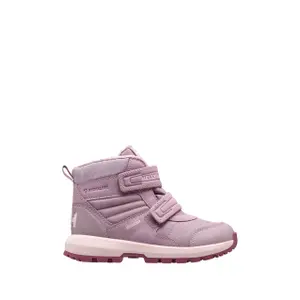
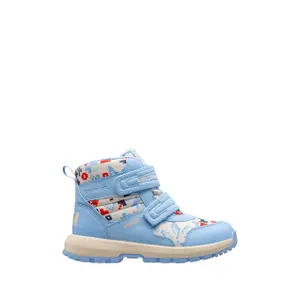
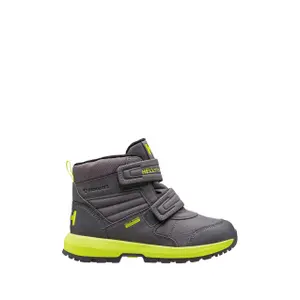




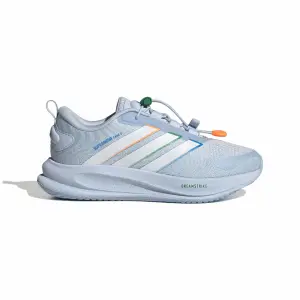
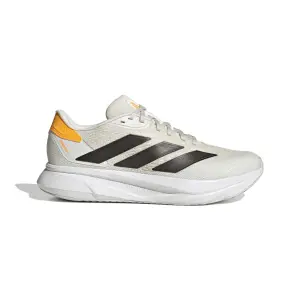




The boys’ accessories in the French Days selection complete a schoolboy’s outfit in all weathers: hats and neck warmers for winter, balaclavas for the snow, thermal socks for freezing weather, baseball caps, bucket hats and rain hats, and umbrellas for the walk to school. Small but essential items to keep a child comfortable outdoors.
The little details that make all the difference outdoors.
Hats, neck warmers and balaclavas: keeping a boy warm
The best way to fight the cold is to cover your extremities first. A hat covers the head and ears; Isbjörn of Sweden, whose name means polar bear in Swedish, specialises in them, with the Squirrel model. A neck warmer, a simple knitted or fleece tube like the Husky from the same brand or the fleece neck warmer from Barts, protects the throat without the loose ends of a scarf.
For snow and very windy days, a balaclava covers the head, neck and lower face in one piece. Lenz heated socks, with a heating element connected to a small battery, are for children who stay still in the cold for long periods, on a chairlift or at the side of a playing field.
Boys’ hats, scarves, gloves and caps for the French Days
Each accessory has its own page. Hats brings together wool, knitted and fleece-lined styles for winter. Scarves & Gloves covers everything that protects the neck and hands, from football gloves to neck warmers. Caps are for warmer weather, from baseball caps to flat-brim snapbacks.
Bucket hats, rain hats and umbrellas for going out
A bucket hat protects the head, forehead and part of the back of the neck from the sun, better than a cap whose peak only covers the face. The one by Didriksons, a Swedish brand founded in 1913, draws on the company’s tradition of rainwear.
For showers, a rain hat, like the Rainy by Reima, covers the head and channels water away from the neck with its wide back brim. It can be worn without blocking your view, unlike a hood. An umbrella completes the outfit for the walk to school; the push-up model by Rex London, illustrated with a dachshund, opens with a simple push that a child can manage.
Baseball caps and bike helmets for the warmer months
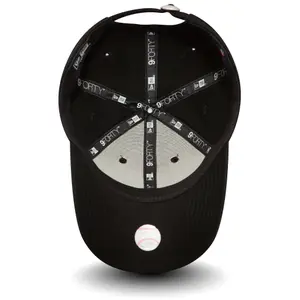
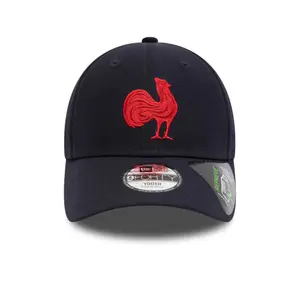
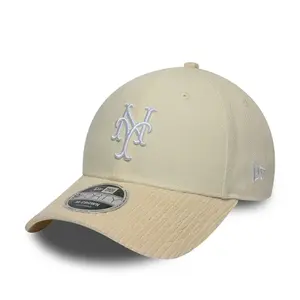
The baseball cap is boys’ favourite summer accessory. New Era styles in the colours of American league teams, especially the New York Yankees, adjust at the back with a buckle or snap, so they can be fitted as a child’s head grows.
When the weather gets warmer, it’s time to get the bike out too. Choose a helmet to fit the head circumference, measured just above the eyebrows. It should stay in place once the dial is tightened: it must not tilt backwards or slip down over the forehead. More understated urban styles are suitable for journeys to school.
Key times to kit your son out with accessories
Get winter accessories ready before the cold sets in. Black Friday and the festive season are a good time to buy hats and neck warmers, which also make popular little gifts. The winter sales then help you pick up balaclavas, before the spring French Days and summer sales make way for caps and bucket hats. Special offers, clearance and new arrivals for the new school year round out the selection.
Frequently asked questions
Does a child have to wear a bike helmet?
Yes. In France, since 22 March 2017, children under twelve must wear a helmet when cycling, whether they are riding or being carried. The helmet must meet the European EN 1078 standard and be properly fastened.
Are heated socks safe?
Yes, when used as directed: start at the lowest heat setting and check regularly that the skin isn’t turning red. Remove the battery before washing, and don’t let a child sleep in switched-on socks.
What accessories should you put in a bag for a school trip in winter?
A hat, a spare pair of gloves and a neck warmer take up little space and can save a school trip when the weather turns bad. Label them all with the child’s name, as these are the first things to get left on the coach.
How can you stop a boy losing his accessories at school?
Write his name inside each item, and set aside a coat pocket for his hat and gloves. A clip attaching gloves to the sleeves is safer than a cord threaded behind the back, which could get caught during play.
Is an umbrella suitable for a nursery-school child?
For younger children, a hooded jacket or rain hat is more practical, as an umbrella takes up one hand and blocks the view of other children. If you choose one, go for a lightweight model that opens easily and has rounded tips.











