
Children’s trainers and clothing adidas for French Days

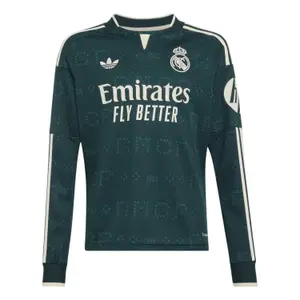


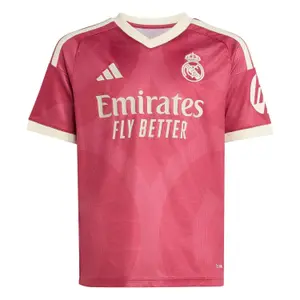
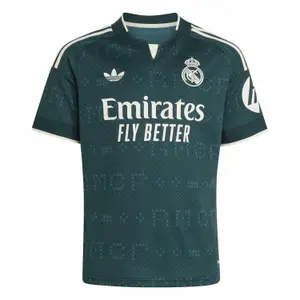
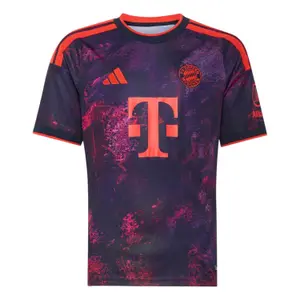
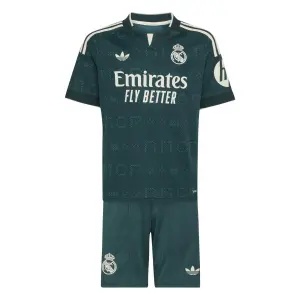

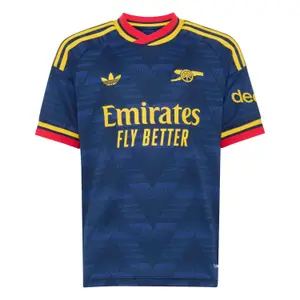

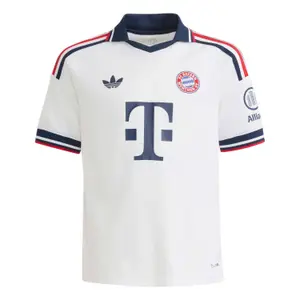


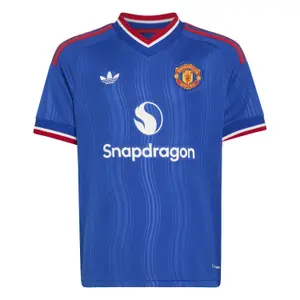
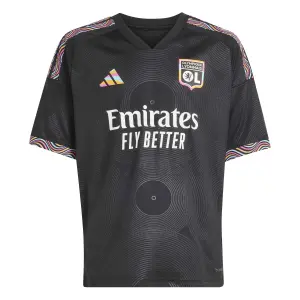


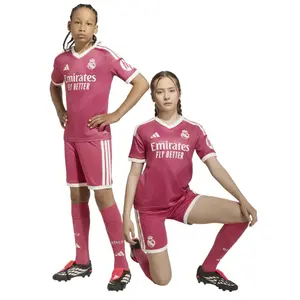

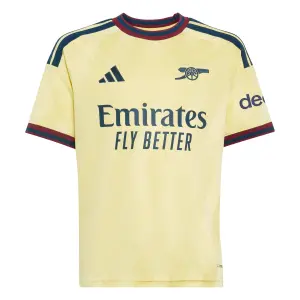
During the French Days, the French online shopping event held in spring and at the start of the new school year, the adidas page brings together children’s styles from the brand founded in 1949 by Adolf Dassler: trainers with hook-and-loop fastenings or elastic laces for little ones, sports classics such as the Samba or the Spezial for older children, and clothing with the three stripes.
Three stripes, in the right size.
Herzogenaurach, 1949: the story of adidas in a few key dates
adidas was founded in Herzogenaurach, Bavaria, in 1949, when Adolf Dassler, known as Adi, started a brand whose name combines his nickname with the beginning of his surname. A shoemaker with a passion for sport, he adopted the three stripes, originally designed to support the foot and strengthen the upper, before they became the brand’s visual signature.
The trefoil, introduced in the early 1970s, now identifies the Originals line, which reissues historic styles. For children, adidas offers both these classics and sports shoes designed for running and playtime, from nursery to secondary school, as well as tracksuits, sweatshirts and football shirts.
Other brands in the selection
To compare, each brand has its own page. Kickers offers leather ankle boots and first-step styles, Victoria canvas trainers with touch-fastening straps, Geox shoes with breathable soles and Crocs clogs for summer. For outdoor wear, Reima equips children for snow and rain, while Joie covers car journeys and walks with baby.
Touch-fastening straps, elastic laces or laces: choosing a fastening by age
For children’s styles, the fastening matters as much as the look. Younger children wear trainers with touch-fastening straps, which can be adjusted to fit a slim foot; in model names, the letters EL indicate elastic laces, which children never have to tie, while the letter I indicates baby sizes.
Many styles combine both: elastic laces for the look, and a touch-fastening strap for support. The Gazelle, for example, comes in this version for toddlers. Traditional laces come into play once a child can tie their own laces, often at around five or six, and offer a more precise fit, useful for sport as well as the playground.
Size 24, 26 or 28: measure your child’s foot before choosing
One European shoe size equals two-thirds of a centimetre in shoe length: a size 24 therefore has an inside length of around 16 centimetres, while a size 28 is nearly 19. The foot itself should be about one centimetre shorter than the shoe, leaving room to walk and grow.
So measure your child’s foot while they’re standing, at the end of the day, then compare it with the adidas size guide, which gives the length in centimetres for each size. Styles originally designed for indoor football, especially the Samba, have a fairly narrow fit: for a wide or deep foot, going up a size helps prevent it being squeezed at the sides.
adidas at reduced prices throughout the year
adidas trainers are among the most popular gifts: Black Friday and the festive season are good times to buy them as a December present. The winter sales are a good time to pick up sweatshirts and tracksuit bottoms, the spring French Days and summer sales are ideal for a lightweight pair for warmer days, and back-to-school season is a chance to replace their school trainers. The new arrivals and great deals round out these shopping events.
Frequently asked questions
Do adidas trainers for children come up big or small?
Running and sports styles tend to fit true to size, while classic styles inspired by indoor football are a little narrower. The safest option is to measure your child’s foot and follow the length given in the size guide, rather than relying on the size they wear in another brand.
Are adidas styles for girls and boys different?
The fit is the same: most children’s trainers are unisex, and only the colours differ, from pink to leopard print, as well as white and black. Let your child choose the colour and they’ll be more likely to wear them.
How do adidas children’s clothes fit?
Clothes are labelled by age and height in centimetres; size 128, for example, is aimed at a child aged seven to eight. It’s best to go by height: measure your child barefoot and choose the size range that includes their height, or the next size up for a sweatshirt they can wear for longer.
How do you clean the white sole of an adidas trainer?
Scrub it with an old toothbrush and a little soapy water, or a paste of bicarbonate of soda, then wipe with a damp sponge. Avoid bleach, which turns the rubber yellow, and leave the pair to air-dry away from the radiator.
Should you go up a size for winter?
Not necessarily: around one centimetre of extra room is usually enough, even with thicker socks. A pair that’s too big can make a child trip and wear unevenly; however, if their foot is between sizes, choose the larger one.











