
Snow and rain gear from Reima for the French Days

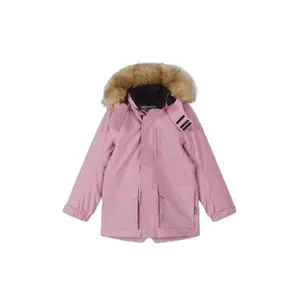


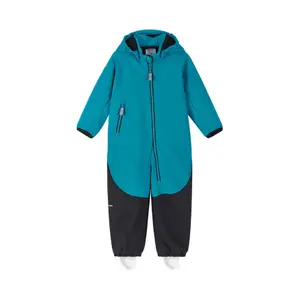
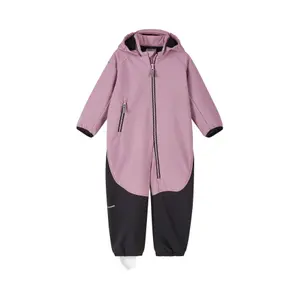


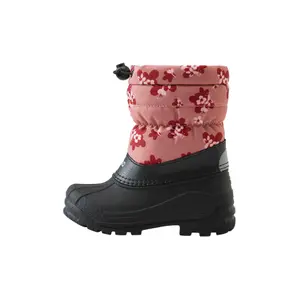

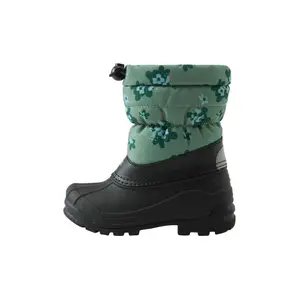


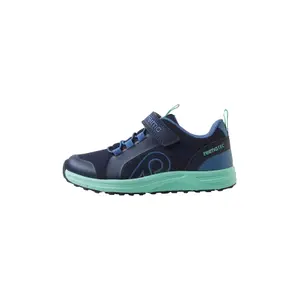


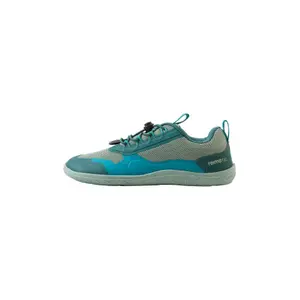


The French Days, held in spring and at the start of autumn since 2018, are a chance to get ready for winter or the in-between seasons with Reima. Founded in 1944, the Finnish brand makes clothes for children from birth to the age of 12, so they can play outside in all weathers: ski suits, raincoats, trousers, boots, gloves and hats.
Outside in all weathers, the Finnish way.
Kankaanpää, 1944: a brand born out of shortages
Reima was founded in 1944 in Kankaanpää, a small town in western Finland. With fabric in short supply after the war, its first items were workwear cut from old military overalls. The company later turned to outdoor and sports clothing, particularly for children, which became its speciality.
In a country where winter lasts for many months, children spend time outdoors every day, at nursery and at school. Reima clothing is designed for this: reinforcements at the knees and seat on many styles, reflective details for short days, and cuts that let children climb, slide and roll around in the snow.
Other brands in the promotion
Other brands have their own pages to help complete the outfit. Leather ankle boots are available from Kickers, waterproof and breathable shoes from Geox, trainers from adidas and Victoria. Lightweight summer clogs have their own page at Crocs, and car seats and pushchairs at Joie.
Water column and sealed seams: how to read a Reimatec product description
The Reimatec label refers to the brand's waterproof and breathable clothing. Two details on the product description are important. The water column, measured in millimetres, shows how much water pressure the fabric can withstand: Reima reckons around four thousand millimetres is enough to sit in a puddle, and some of its winter suits exceed twelve thousand.
The second detail is about the seams: on styles where all seams are sealed, water cannot get through the needle holes. However, moisture can get in through openings at the cuffs, ankles and collar, which is why adjustable cuffs and snow gaiters that fold over boots are useful.
Reima sizes in centimetres: choosing for one or two winters
Reima gives sizes in centimetres, based on the child's height: size 110 fits a child around one hundred and ten centimetres tall, usually between four and five years old. Measure your child barefoot with their back against a wall, then choose the size that matches, or the next one up if they are at the top of the range.
If you want a suit to last for two winters, sizing up is an option for a child at the top of the range, as the adjustable cuffs and ankles help make up the difference. However, avoid going up two sizes: an outfit that's too big lets cold air in at the collar and makes it harder for your child to walk, get on a chairlift or stay on their skis.
Reima at reduced prices, before the snow or rain
For the February half-term holidays, get a ski suit ready from Black Friday onwards or during the festive season. The winter sales are a good time to buy the size for next winter, while the spring French Days and summer sales are a good time to shop for rain jackets and mid-season boots, ahead of the new school year and its damp mornings. Special offers and clearance add to the choice.
Frequently asked questions
Will a Reima rain jacket keep you warm?
Rain jackets are often unlined. They keep out water and wind but do not provide warmth by themselves. In milder weather, wear a fleece or wool jumper underneath; for winter, choose a padded, waterproof jacket or suit.
What should you wear under a ski suit?
A breathable base layer in merino wool or synthetic fabric, never cotton, which holds on to moisture, followed by a thin fleece in very cold weather. The suit does the rest: there is no need to pile on layers, as a child who sweats will then get cold on the chairlift.
How do you wash a Reimatec garment?
Fasten all zips and poppers, turn the garment inside out and wash it at the recommended temperature with a mild liquid detergent and no fabric softener, which can clog the pores in the membrane. Rinse well, dry flat or at a low temperature, and wash as infrequently as possible: a sponge is enough to remove mud.
Are Reima boots suitable for deep snow?
Lined winter boots with a high shaft and adjustable fastening are made for snow. Rubber wellies, on the other hand, keep out water but offer little warmth. Choose a size that leaves room for a thick sock, but not too much.
Does Reima make clothes for babies?
Yes, the brand clothes children from birth, with suits for the pushchair, hats that cover the ears well and mittens for little ones. Sizes are always given in centimetres and cover the first few months, then follow your child's growth.











