
Children’s clogs Crocs for French Days


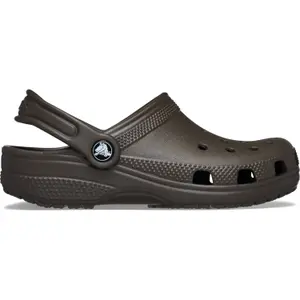
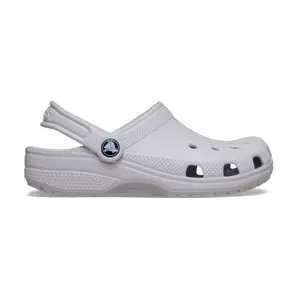
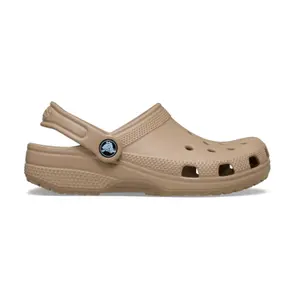


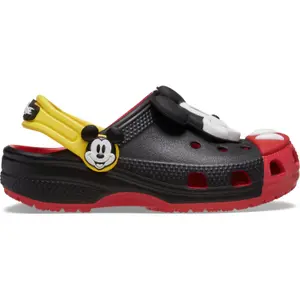


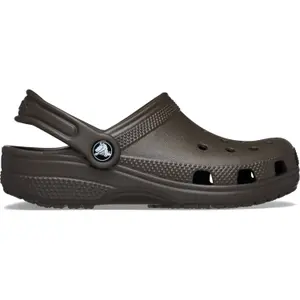


The French Days, a French online shopping event launched in 2018, return in spring and at the start of the school year. On the Crocs page, the American brand's Classic Clog comes in toddler and junior sizes for children: lightweight resin that rinses clean with water, a strap that flips behind the heel and holes ready for Jibbitz.
The lightweight clog that goes everywhere with your child.
From a boat show to the playground
Crocs was founded in 2002 in Boulder, Colorado, around a clog originally designed for boating and showcased at a boat show in Florida. Its material, Croslite, is a closed-cell resin: it doesn’t absorb water, weighs almost nothing and stays flexible underfoot.
The holes on top, designed to let air circulate and water drain away, became the perfect spot for Jibbitz—clip-on decorations that made the clog a hit with children. The Classic can be rinsed with a hose, dries quickly and stands up to both sand and chlorinated water, making it a natural companion for holidays by the water.
Other French Days brands
The other brands in our selection have their own pages too. Find canvas trainers at Victoria, shoes with breathable soles at Geox and leather ankle boots at Kickers. For sport, take a look at adidas; for snow, Reima; and for car seats and pushchairs, Joie.
Size 22, 30 or 35: converting C and J sizes
Crocs lists its children’s sizes using the American system: C, for child, covers toddlers and children, while J, for junior, is for older children. Each size covers two European sizes, as the clogs are only available in whole sizes: C10 is equivalent to 27–28, and J3 to 34–35.
For a size 22 or 30, start by measuring the foot length in centimetres and check it against the chart for your chosen style, as the conversion can vary slightly from one clog to another. The Classic has a roomy fit, so a child between sizes should generally choose the smaller size if they have narrow feet, and the larger one if they wear socks.
Classic, lined or Echo: which clog for which use?
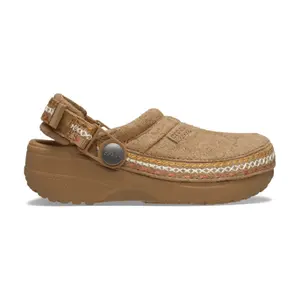
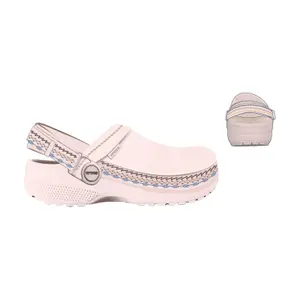
The Classic is the go-to clog: open and lightweight, it can be worn at the beach, pool, garden or as an indoor slipper. Its lined version, with a fluffy lining, is suitable for autumn and winter too, for wearing at home or on short trips. The decorated styles, in colours inspired by Woody or Buzz Lightyear from Toy Story, have the same shape.
The newer Echo has a more sculpted design and a more pronounced sole, with the same adjustable strap. Whatever the style, move the strap behind your child’s heel when they run: it keeps the foot in place and stops them losing a clog while playing.
Reduced-price Crocs, from Christmas to summer
A Classic clog and a few Jibbitz make a popular gift: look out for Black Friday and the festive season to pop them under the tree. The winter sales are a good time to buy a size ahead for the following summer, before the spring French Days and summer sales, when clogs are worn every day. When the new school year starts, the lined version takes over at home; clearance and great deals bring together the other offers.
Frequently asked questions
How do you put Jibbitz charms on children’s Crocs?
Hold the Jibbitz stem against a hole, then push it in from the outside, gently pinching the resin until the base goes through. Do it yourself for little ones, and keep the decorations out of reach of children under three, who could swallow them.
Should you size up in Crocs?
Not necessarily: the Classic is already roomy, and a clog that’s too big can slip and cause a trip. Leave between half a centimetre and a centimetre between the toes and the front of the clog, and check that the heel doesn’t stick out when the strap is behind the heel.
Are Crocs suitable for first steps?
They’re a handy extra for the garden or beach, thanks to their lightweight design. For learning to walk, a shoe that’s more flexible at the front and holds the heel firmly is still a better choice, as the clog lets the foot move around inside.
How can you stop a Crocs clog from losing its shape?
Croslite resin is sensitive to heat: don’t leave the clogs in the sun on the rear parcel shelf of a car or near a radiator, and don’t put them in the tumble dryer. Rinse them with warm, soapy water to clean them, then leave them to air-dry.
Do Crocs slip on a wet floor?
The sole gives good grip on most surfaces, but wet tiles around a pool can be slippery in any shoes. Remind your child to walk, not run, around the pool, with the strap behind the heel to keep the clog in place.











