
Lego, the Danish brick that grows with your child


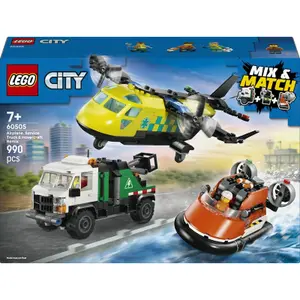
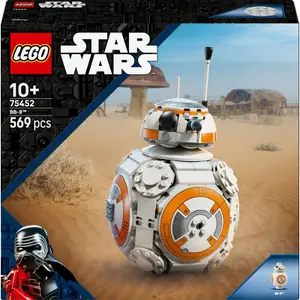
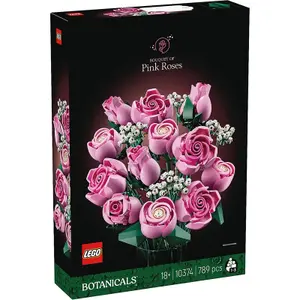
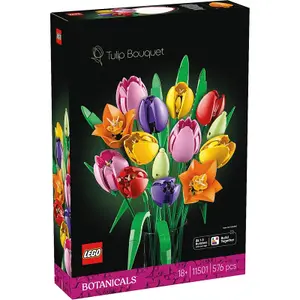
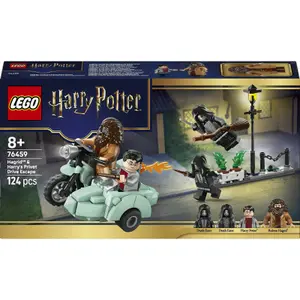
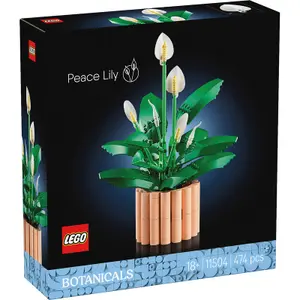
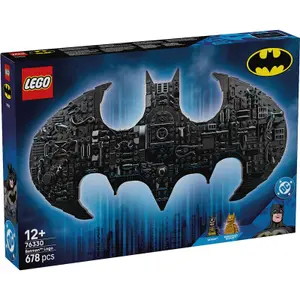
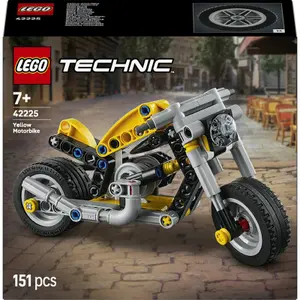
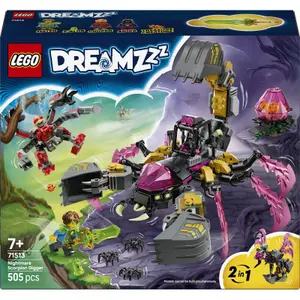
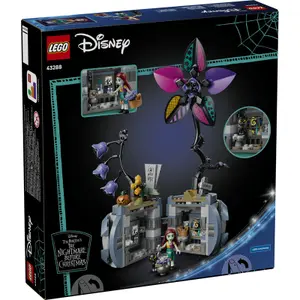
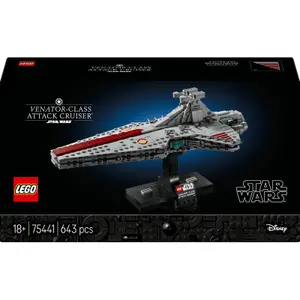
Founded in 1932 in a carpenter’s workshop in Billund, Denmark, the Lego brand takes its name from the Danish phrase “leg godt”, meaning “play well”. Its brick with tubes, patented in 1958, still fits together with bricks made decades later: the same box of bricks can be passed from one child to another, and each new set adds to the builds that came before.
One brick, thousands of ideas.
Which Lego should you choose for your child's age?
- From 18 months to five years, Duplo bricks, launched in 1969, are twice as big in every dimension: impossible to swallow and easy to hold, they’re still compatible with classic bricks.
- At around four years old, starter sets offer larger pieces and short instructions to help children build their first model on their own.
- From five to eight years old, Classic sets, packed with bricks in all sorts of colours, encourage free building, while the first story-based themes add to pretend play.
- From the age of nine or ten, the Technic range, launched in 1977, introduces gears, axles and working mechanisms.
Playmobil and other construction toys
To expand the toy box, the construction toys page brings together wooden blocks, stacking stones and mechanical kits to assemble, while the Playmobil page features poseable figures and sets to build, which go well with brick constructions when acting out big stories.
Storing and displaying Lego in a child's bedroom
Sorting by colour seems logical, but experienced builders often prefer sorting by piece type: bricks, plates, sloped pieces, wheels and technical elements. That way, it’s quicker to find the missing piece. Compartment boxes or shallow drawers save you from rummaging through a big tub where small pieces disappear at the bottom.
For finished models, a shallow wall shelf at the child’s eye level shows them off without taking up floor space. Keep the instructions in a folder: a model can be rebuilt exactly the same way when the mood strikes, and the bricks freed up in the meantime can be used for free building.
The minifigure, the star of sets since 1978
Introduced in 1978, the minifigure gave the builds a face: poseable arms and legs, claw-shaped hands that grip tools and accessories, and interchangeable hair and torsos. Children can create their own characters by mixing pieces from different sets.
The brand’s own themes, such as City with its firefighters and police officers, Ninjago and its ninjas, or Friends and its taller mini-dolls, bring these characters to life in buildable settings that inspire made-up stories. Once a set is built, there’s nothing to stop you mixing the themes: that’s the beauty of a system of compatible bricks.
Lego bricks: the best times to add to your collection
Lego sets often feature on Christmas wish lists, so it’s worth planning ahead from Black Friday and leaving the last additions until the festive season. The winter sales are a good time to pick up tubs of extra bricks, the spring French Days and summer sales are ideal for sets to keep children busy over the holidays, and the back-to-school period brings clearance toys as well as new arrivals.
Frequently asked questions
Can you give Lego to a one-year-old?
Classic bricks include small pieces and aren’t suitable for children under three. For toddlers, the large Duplo pieces are designed for children aged 18 months and over, and will still be compatible with classic bricks in the years to come.
How do you clean dusty bricks?
Wash them by hand in a bowl of soapy water, keeping the temperature below 40 degrees so the plastic doesn’t warp, then leave them to dry flat on a towel. Remove electronic pieces and those with stickers first.
What should you do if a piece is missing from a new set?
First check the numbered bags and the bottom of the box, as small pieces often get hidden there. If it really is missing, the brand’s customer service team will replace missing pieces on request, as long as you have the set number.
Which Lego set is best for a child who doesn’t like following instructions?
A large box of assorted bricks, with no set model to build, lets their imagination run free. Give them simple challenges, such as building a bridge that stays up or a vehicle that rolls, instead of instructions: they can build their own way and learn just as much.
How can you keep a younger sibling safe from small pieces?
Keep sets with small pieces at a table or in a closed room, and store them in lidded tubs out of reach of children under three. A mat marking out the building area makes it easier to pick up dropped bricks before the youngest child puts them in their mouth.











