
Mittens, gloves and neck warmers for children and babies

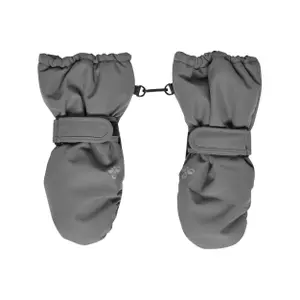

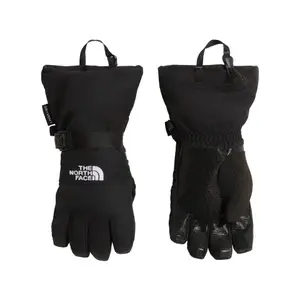


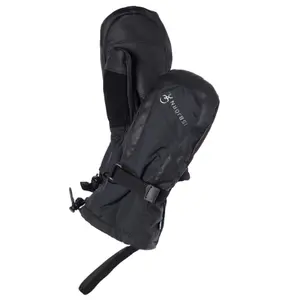
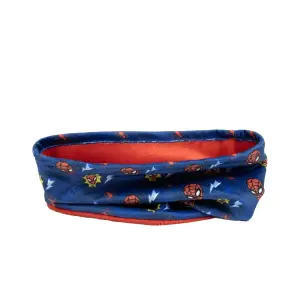


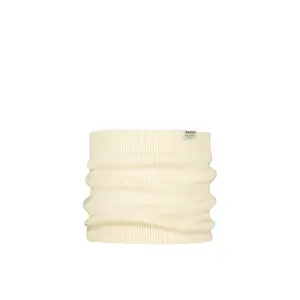
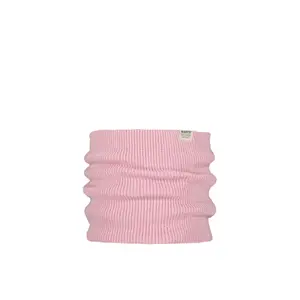
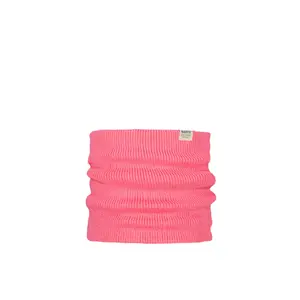
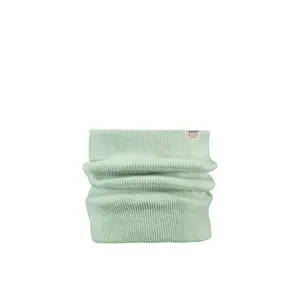
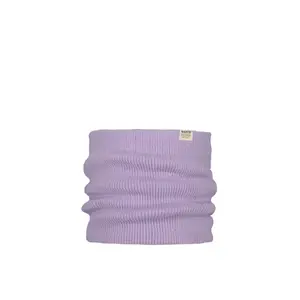
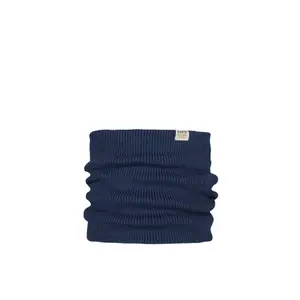
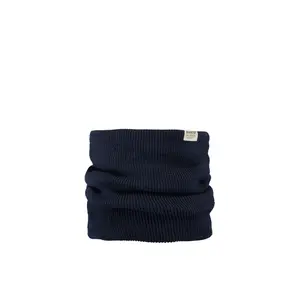
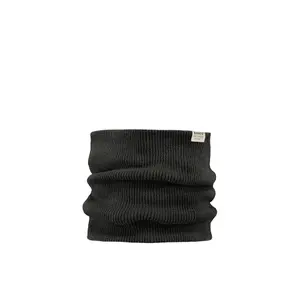
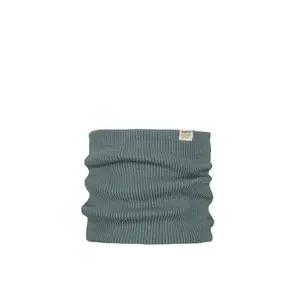
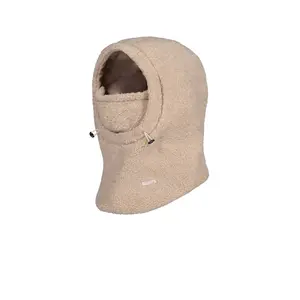
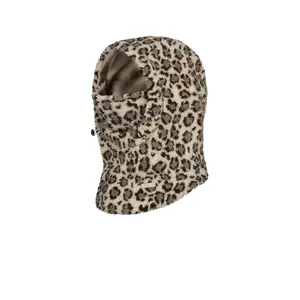
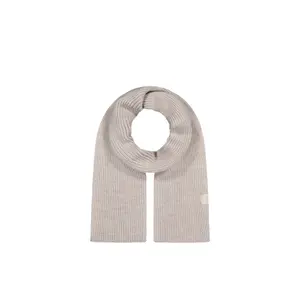
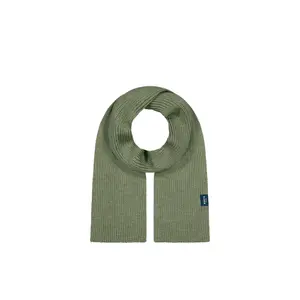
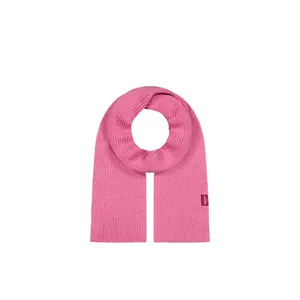
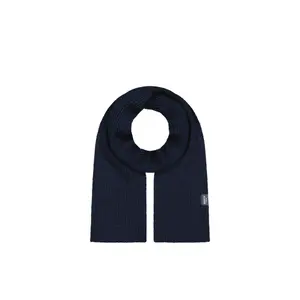
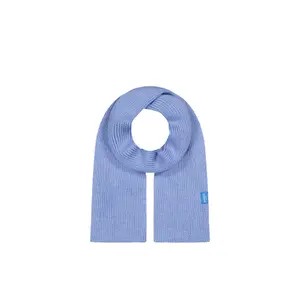


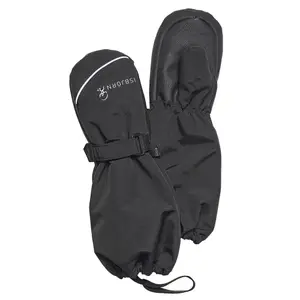
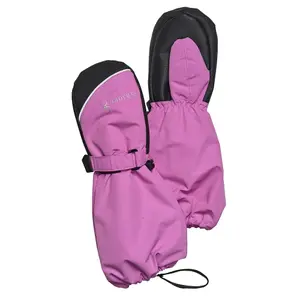
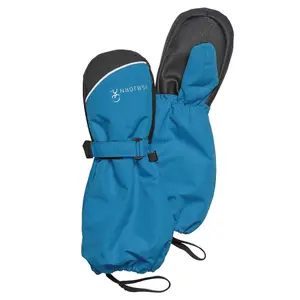
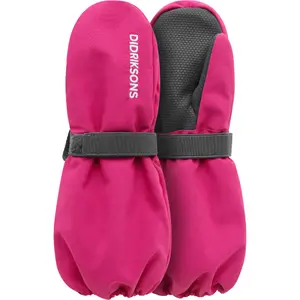
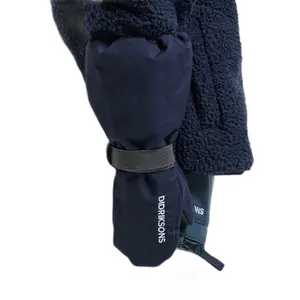
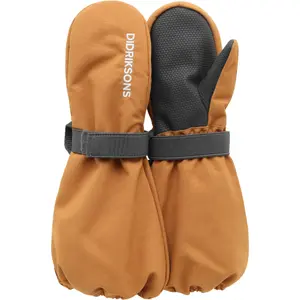
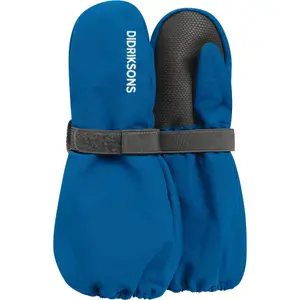
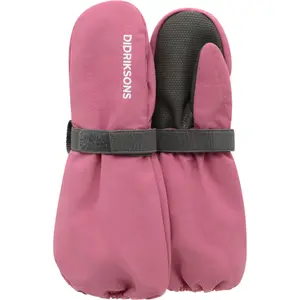
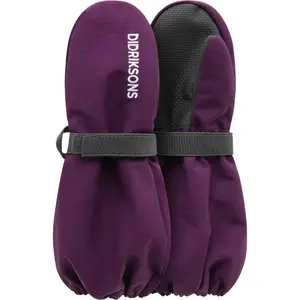
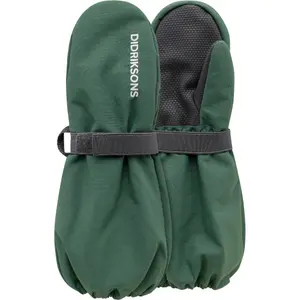
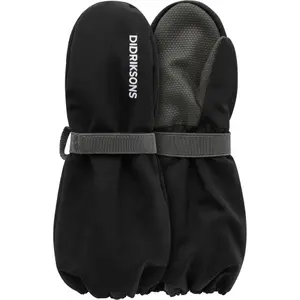
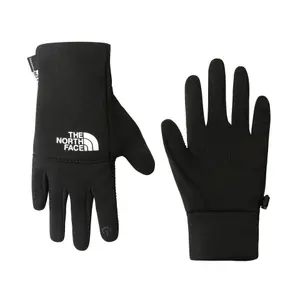
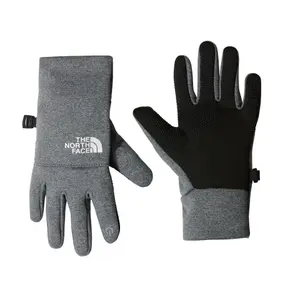
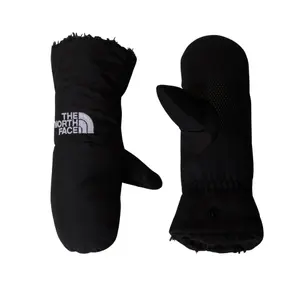
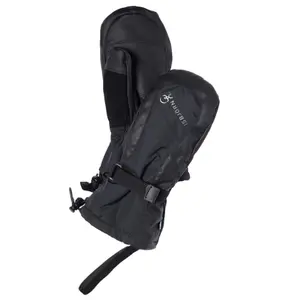
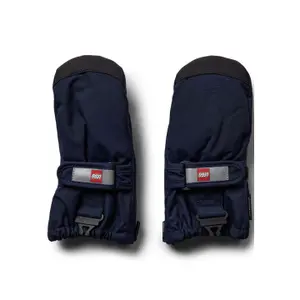
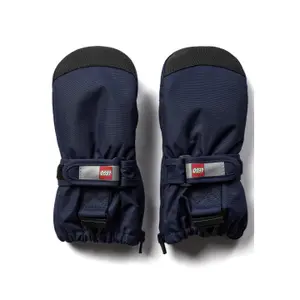
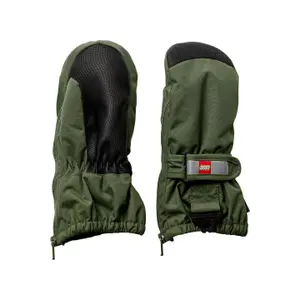
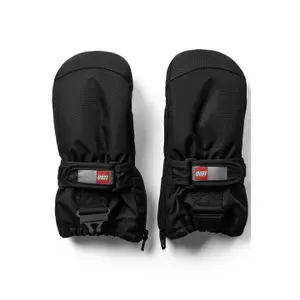
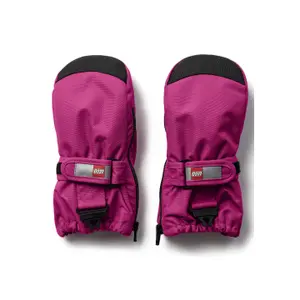
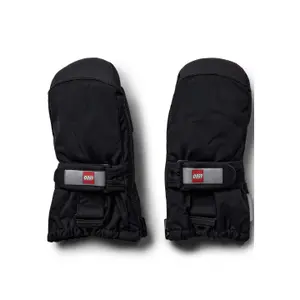

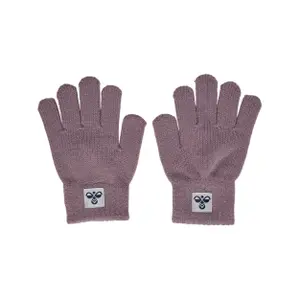
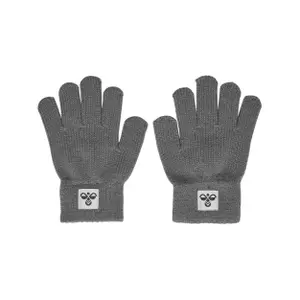
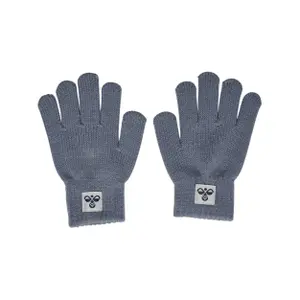
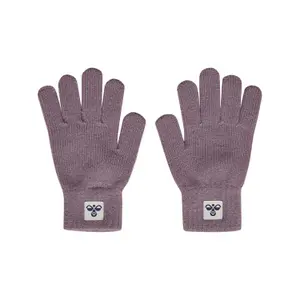
Children’s scarves and gloves protect two areas that are especially exposed to the cold: little ones’ hands and necks. Woollen mittens for dry-weather walks, waterproof mittens for playing in the snow, finger gloves for older children, neck warmers and snoods instead of scarves: choose each item to suit your child’s age, activity and the weather.
Keep hands and necks warm, from the pushchair to the slopes
Mittens or gloves: the right choice for your child's age
For babies and young children, mittens are the best choice: with their fingers together, they keep each other warm, and they slip on without having to guide each finger into its own section. Little ones wear mittens without thumbs, which are easier to put on and stay in place; at around three years old, mittens with thumbs make it easier to hold a shovel or a sled rope.
Finger gloves come in handy when a child needs more precision, such as fastening their jacket, holding ski poles or playing ball in the playground. They are not as warm as mittens of the same thickness: in very cold weather or for a day in the snow, mittens are still the better choice, even for older children.
Hats, socks and sunglasses: winter gear
Once their hands and neck are protected, the head and feet need covering too. Hats, balaclavas and caps complete a set of mittens and a neck warmer, often in matching colours, while wool socks keep feet warm in snow boots. For a day on the slopes, sunglasses in the right category protect the eyes from glare.
Neck warmers are better than scarves for little ones
For young children, a neck warmer is a better choice than a scarf. It forms a closed tube, with no loose ends that could get caught on a slide, railings or a branch, whereas a scarf tied around the neck can tighten if it gets caught. It will not come undone while running either, and can be pulled up over the nose when the wind bites.
The Husky neck warmer by Isbjörn of Sweden, a Swedish outdoor clothing brand for children whose name means polar bear, and Barts fleece neck warmers stay warm even when slightly damp. A traditional scarf can come later, when the child is older, with the ends tucked inside their coat.
Merino wool or waterproof membrane: choosing mitten material
The material you choose depends on what your child will be doing outside. For a stroll in a pushchair or baby carrier in dry weather, wool mittens from Mikk-Line, a Danish outdoor clothing brand for children, are soft and breathable, and stay warm even when the wool gets a little damp. However, they are not made for playing with snow.
For snowball fights and building snowmen, waterproof mittens are the way to go: try Sterntaler, a German baby accessories manufacturer founded in 1965, or the Arctic and Backflip styles from Isbjörn of Sweden. Check that the cuff is long enough to cover the jacket sleeve, so snow cannot get in.
Before the snow: when to buy mittens
Mittens are easily lost, and a spare pair can save you from a hurried trip back to the chalet. Black Friday comes around just as people are getting ready for their first cold-weather outings, and a hat and mittens set makes a useful end-of-year gift. The winter sales take place before the February half-term ski holidays; the spring French Days, summer sales and back-to-school season are good times to get ahead and buy for next winter in the right size. Keep an eye on clearance, special offers and new arrivals in between.
Frequently asked questions
How can I stop my child losing their mittens?
Clip them to the coat sleeves with mitten clips rather than using a long cord around the neck. Also write your child's name inside the cuff: at nursery and school, lost mittens often end up in a communal lost-property box.
What size gloves should I choose for a child?
Sizes are usually based on age, but trying them on is best: there should be about a centimetre of room at the fingertips. Gloves that are too tight squeeze the hand and make it cold, while gloves that are too big make it hard to hold anything.
How should I dry wet mittens?
Turn the cuff back, stuff the inside with newspaper to absorb the moisture, and leave them to dry at room temperature. Avoid putting them directly against a radiator or stove, as this can damage waterproof membranes and make wool stiff.
What should I do if my child's hands are always cold?
First check that their mittens or gloves are not too tight and are dry, then make sure the rest of their body is warm enough: when the chest is cold, less blood flows to the hands. A thin pair of wool glove liners underneath can make a real difference.
Will a wool scarf make a child's skin itch?
Ordinary wool with its thicker fibres often feels prickly against the delicate skin of the neck and chin. Merino wool has much finer fibres and is far softer; otherwise, a fleece or cotton-lined neck warmer will prevent any itching.











