
Sunglasses and sports sunglasses for children

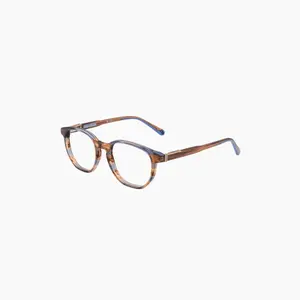
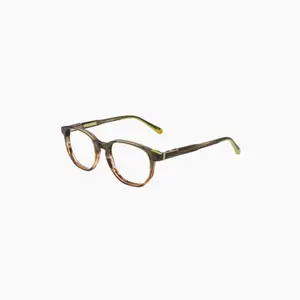
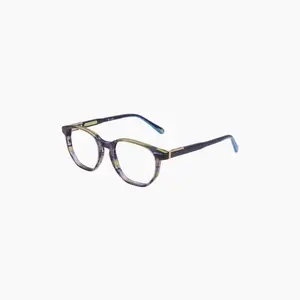


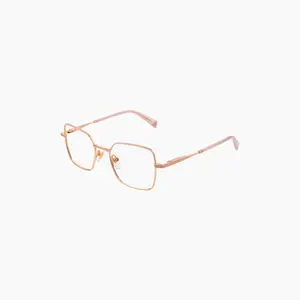
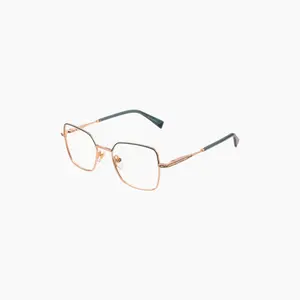
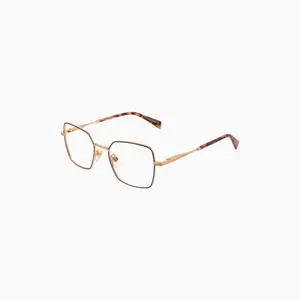
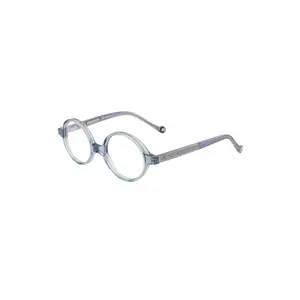
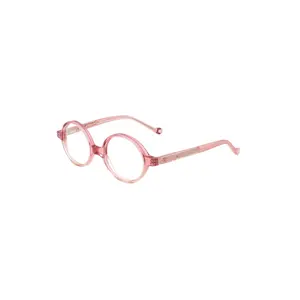
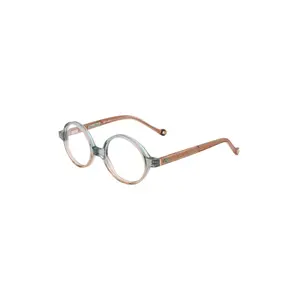

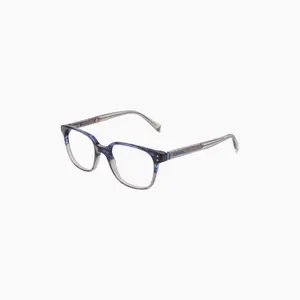
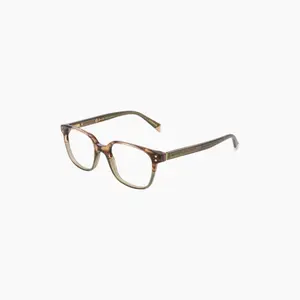
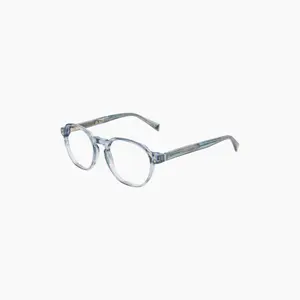
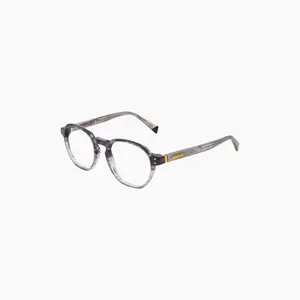
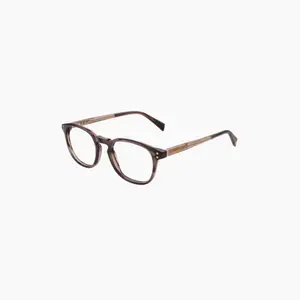
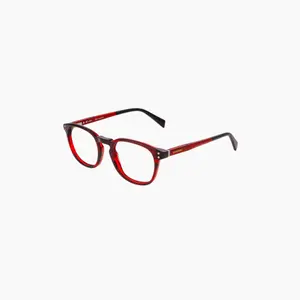
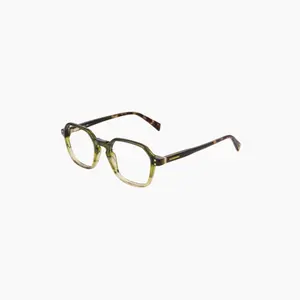
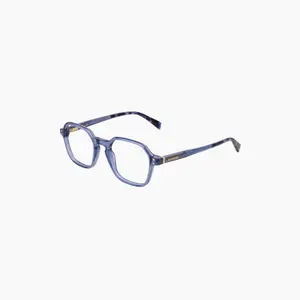
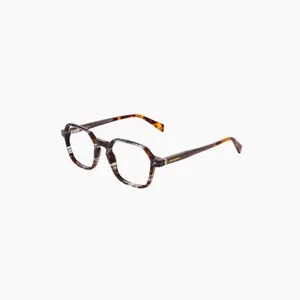
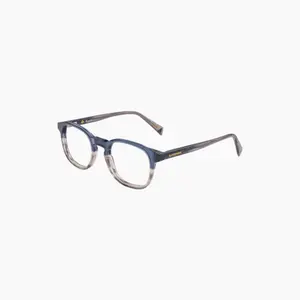
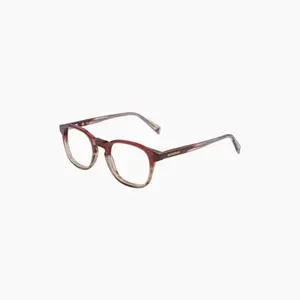
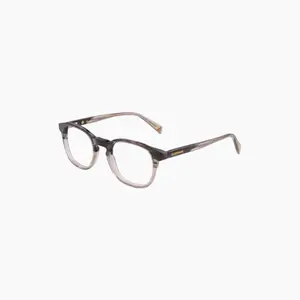
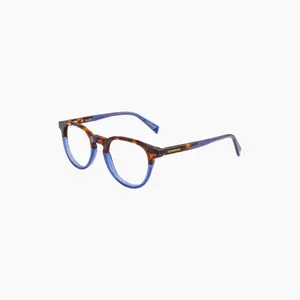
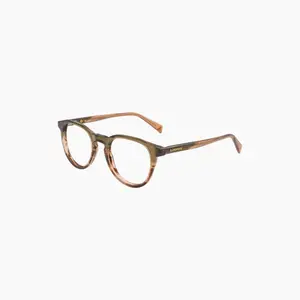
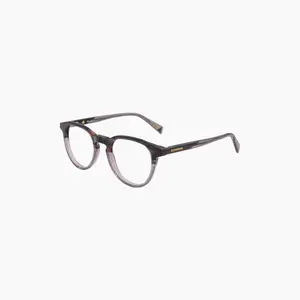
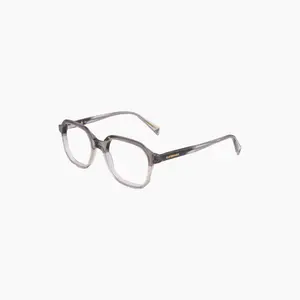
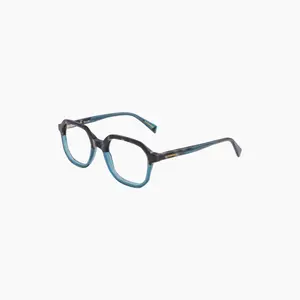
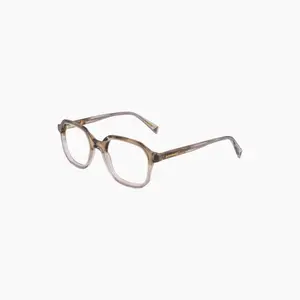
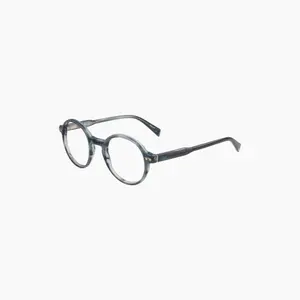
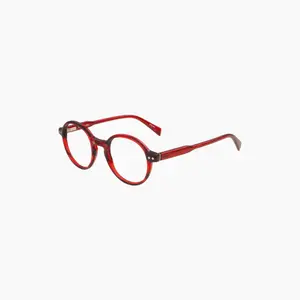
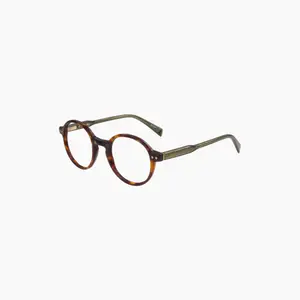
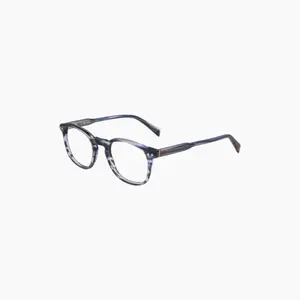
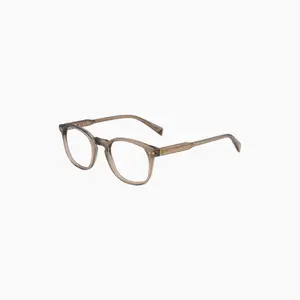
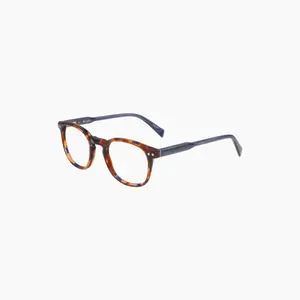
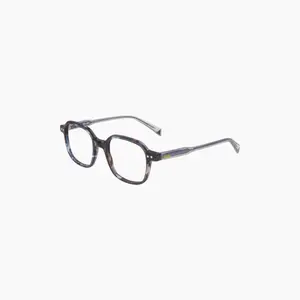
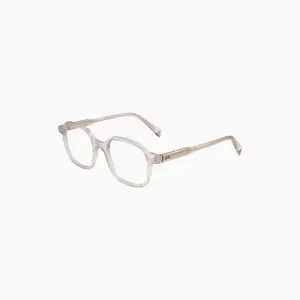
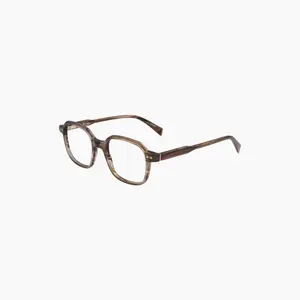
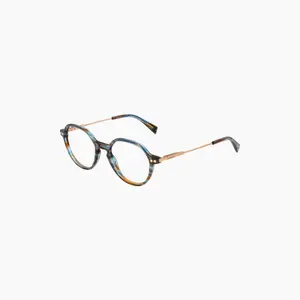
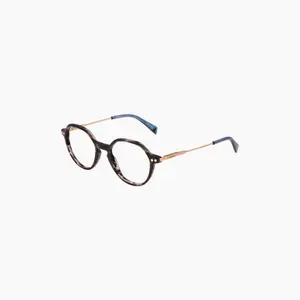
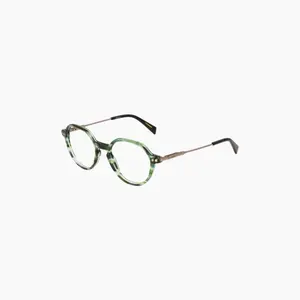
A child's eyes are more sensitive to UV rays than an adult's because their lens is still very transparent and does not filter them as well. Children's sunglasses should therefore be chosen based on specific criteria: filter category, CE marking and frame size. Here you'll find models with a strap for babies, children's sunglasses from Komono or Altitude Eyewear, and sports sunglasses from Demetz.
Real protection, sized to fit your face.
Filter category and CE marking: how to read the label
Every pair of sunglasses sold in Europe carries the CE marking and a filter category from 0 to 4, defined by the EN ISO 12312-1 standard. Category 0 is purely cosmetic and offers no UV protection; categories 1 and 2 are suitable for low or moderate light; category 3 is for the beach, ski resorts and bright, sunny days. Category 4, intended for high mountains and glaciers, is unsuitable for driving and unnecessary for a child’s everyday use.
The UV400 label means the lenses filter ultraviolet rays up to 400 nanometres. The tint, on the other hand, tells you nothing about the protection: very dark lenses without a UV filter make the pupil widen and let in more ultraviolet rays.
Hats, gloves and jewellery to go with them
Sunglasses alone don’t protect you from the sun: the Headwear page brings together hats, bucket hats and caps that also shade the forehead and the back of the neck. For trips to the snow, where glare makes good sunglasses essential, scarves and gloves complete the outfit. Jewellery for children adds a personal touch to a summer outfit, and belts keep holiday shorts and trousers in place.
Baby sunglasses: elastic strap and flexible frame
Before the age of two or three, children pull off anything that doesn’t stay put. Baby sunglasses therefore often replace arms with an adjustable elastic strap that holds the frames in place without pinching, and use soft materials that won’t hurt if the child falls. The Bout'Chou range from Altitude Eyewear, a French brand founded in 2013 in the Haut-Jura by sports eyewear specialists, is designed for little ones: the Pti'Lou model, for example, comes with an adjustable strap.
Komono, a Belgian brand founded in Antwerp in 2009 whose name means “little things” in Japanese, brings its retro style to children’s faces with models such as Lulu and Mimi. Always check that the frames cover the top of the cheeks properly: light shouldn’t get in at the sides.
Sports sunglasses for children: the Softness R by Demetz
For football, handball or basketball, everyday glasses aren’t enough: they slip and can cause injury if knocked. Sports sunglasses for children wrap around the face and stay in place with an elastic strap. The Demetz Softness R frame is a good example: designed for ball sports, it has shock absorbers at the nose and temples, as well as an anti-fog treatment.
Demetz, a French eyewear maker specialising in sports and children’s glasses, is part of the Lyon-based Opal group, a major player in frames for children and teenagers. If your child already wears prescription glasses, this type of frame can be fitted with prescription lenses, so they don’t have to play without them: talk to your optician.
Sale sunglasses: when to buy
Sunglasses are often bought just before summer, when demand is at its highest. For a ski holiday, Black Friday and the festive season are good times to get ready in advance. The winter sales, followed by the spring French Days, come before the first sunny days; during the summer sales and at the start of the school year, the special offers page and the clearance section bring together end-of-line models.
Frequently asked questions
What do the numbers engraved on the arm, such as 44□16, mean?
The first number gives the width of one lens in millimetres, and the second gives the width of the bridge over the nose; a third sometimes indicates the length of the arm. Check these measurements on a pair that fits your child well to compare frames easily.
Can you watch an eclipse with sunglasses?
No, never, whatever their category. You need special glasses that meet the ISO 12312-2 standard to watch an eclipse; they filter much more strongly. Without them, looking straight at the sun can cause irreversible damage to the retina.
At what age should a child wear sunglasses?
Whenever your baby is exposed to bright light: at the beach, in the mountains, in the snow or out for a walk in the height of summer. Before the age of one, shade is still the best protection, but a pair with a strap can be useful from their first outings in the sun.
Are polarised lenses useful for children?
Polarisation reduces glare from water, snow or wet roads, making it more comfortable to see by the seaside. It doesn’t replace a UV filter: always check the category and CE marking, whether the lenses are polarised or not.
Should children’s sunglasses have a cord?
A cord helps prevent the glasses from getting lost at the beach or on a walk, and lets them hang around the neck between uses. For younger children, choose a cord that comes loose when pulled, and take it off during climbing games or naps.











