
Caps, beanies and hats for children
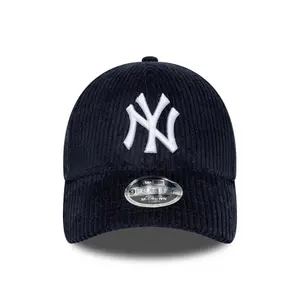
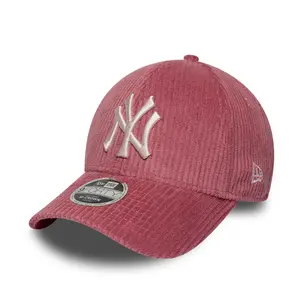
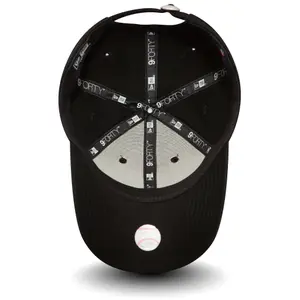
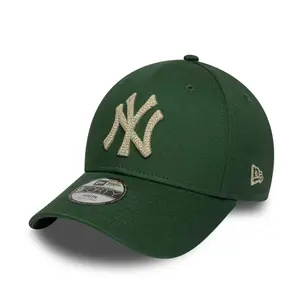

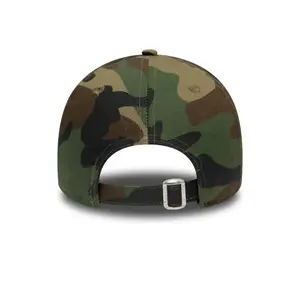

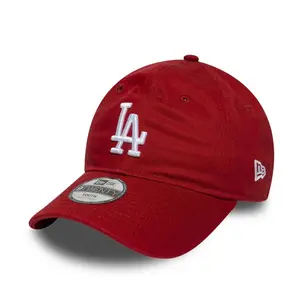
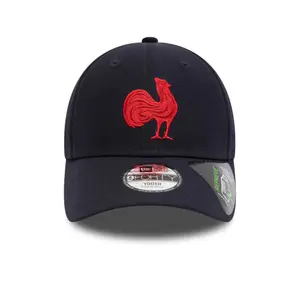


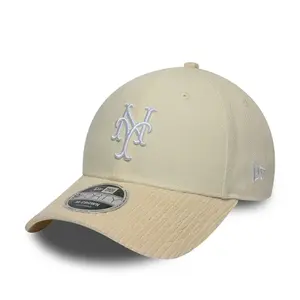


A cap in spring, a bucket hat or sun hat in the height of summer, a beanie and balaclava in winter: a child’s head needs different protection in each season. The caps and hats for children range covers all these needs, from birth to the teenage years, with one rule for choosing the right one: use head circumference rather than age as your guide.
A hat for every season and every age
Head size and hat size: finding the right fit at every age
Hat sizes are given in centimetres based on the head circumference, measured with a tape measure just above the eyebrows and ears, where the head is widest. As a guide, head circumference is about 47 centimetres at one year, 50 at two years and 51 to 52 at four years, but there can be big differences between children of the same age, so always measure.
One size styles cover several centimetres thanks to a strap, a hook-and-loop fastening or elastic. If your child is between sizes, choose the larger size for a beanie, which should sit slightly low, and the closer fit for a cap or hat, which can fly off at the first gust of wind if it’s loose.
Buckets, beanies, caps, hats and balaclavas: the five types
Each type of headwear has its own page. Bucket hats and berets include soft summer hats and smarter winter styles, while beanies cover all kinds of cold weather, from newborn styles to pom-pom beanies. Caps bring together baseball styles and adjustable visors, the hat protects against sun and rain, and the balaclava covers the head and neck in one piece for very cold days.
Bucket hat, hat or cap: sun protection
In the sun, not all types of headwear cover the same areas. A cap shields the forehead and eyes but leaves the ears and nape exposed, whereas a bucket hat or a hat with a brim goes all the way around the head. For little ones, a style with a neck flap or a wide brim and a chin strap is the safest choice: the Didriksons bucket hat, from a Swedish company founded in 1913 in a fishing port, and the Mikk-Line hat both do the job.
Some fabrics have a UPF rating measured to the European EN 13758 standard, with UPF 50+ being the highest rating. For older children, the Puma Scuderia Ferrari Hamilton cap, with five panels and an adjustable strap, or New Era children’s caps in New York Yankees colours will keep fans happy while shielding their faces.
Beanies, balaclavas and rain hats for cold and wet weather
In winter, a beanie covers the ears and the top of the head, while a balaclava covers the neck too, all in one piece. The Squirrel winter beanie by Isbjörn of Sweden is designed for very cold weather, the Guess bear-ear beanie adds a playful touch, and the Gabinesy beanie by Danish designer Sofie Schnoor brings a touch of Nordic style. For newborns, the Babybugz knotted beanie, from a baby clothes brand that uses organic cotton, slips on without being tight.
When it rains, a waterproof rain hat, often with a longer brim at the back to keep water off the neck, comes in handy: Mikk-Line has one, as does Finnish brand Reima, founded in 1944, with its Rainy style.
Summer and winter headwear: when to shop the offers
Headwear needs replacing each year as children’s head circumference grows. Black Friday is a good time to pick up beanies and balaclavas before the cold sets in, while a team cap makes a safe bet for a festive gift. The winter sales are a chance to kit out for a skiing holiday; the spring French Days and summer sales are a good time to find a bucket hat or sun hat for the beach, and the new school year is a chance to replace a cap lost at summer camp. Clearance, special offers and new arrivals round out these shopping events.
Frequently asked questions
Should children wear a hat at school in summer?
Many schools and holiday clubs ask children to wear one in the playground and on outings, as they spend a long time outdoors during the hottest part of the day. Put a bucket hat or cap marked with their name in their school bag, and apply sun cream to any areas it doesn’t cover.
How do you wash a cap without losing its shape?
Hand-wash it in warm water with a little gentle detergent, using a soft toothbrush to brush out any stains. Leave it to dry over an upside-down bowl or a ball so that it keeps its shape, and never put it in the washing machine if the peak is rigid.
How can you keep a hat on a toddler’s head?
Choose a style with a chin strap fastened with a hook-and-loop fastening or a press stud, which opens if it gets caught on something. A brim that covers the nape or a beanie with short ties will also stay on better than a hat that simply sits on the head.
Can a thick beanie be worn under a ski helmet?
No, a thick beanie stops the helmet from fitting properly and reduces how well it can protect your child in a fall. Only a thin balaclava or technical fabric helmet liner should be worn under a helmet; the helmet’s vents and lining do the rest.
How many hats should I pack for nursery?
One per season is usually enough, but keep a spare beanie in winter and a spare bucket hat in summer in their locker: they can get lost, wet or end up in the wash. Mark each one with the child’s name inside the band.











