
Socks for children and babies


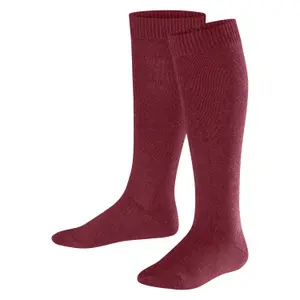
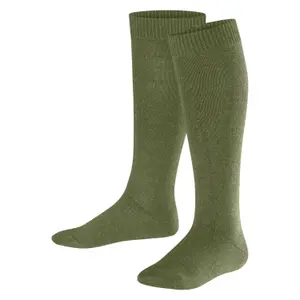
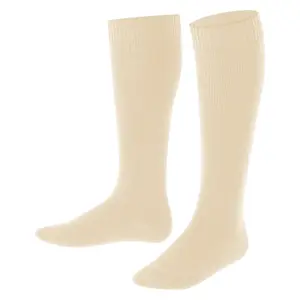
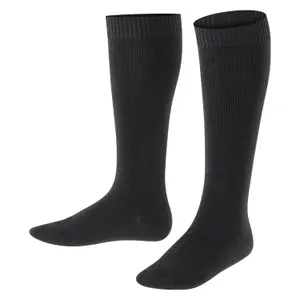
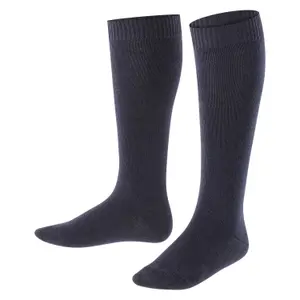
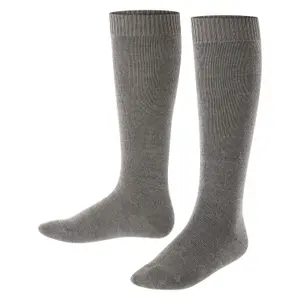
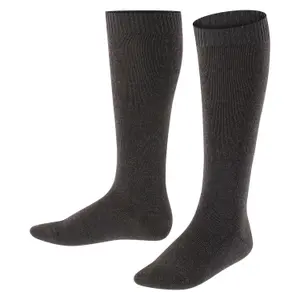
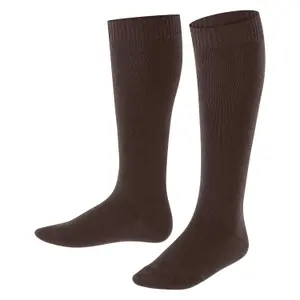
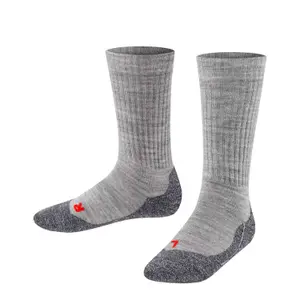
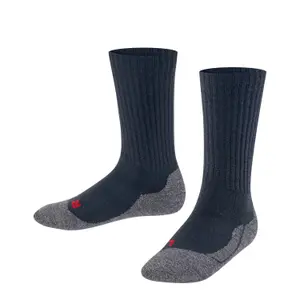
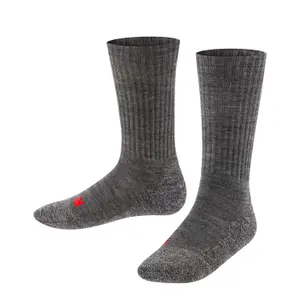
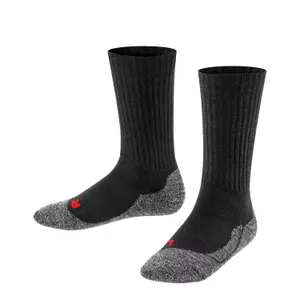
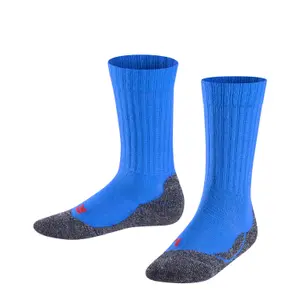
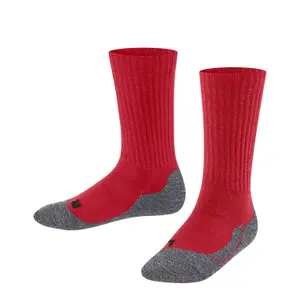
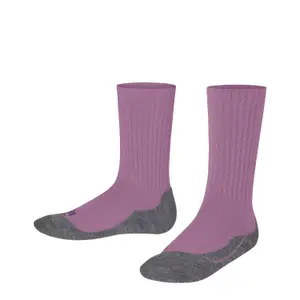
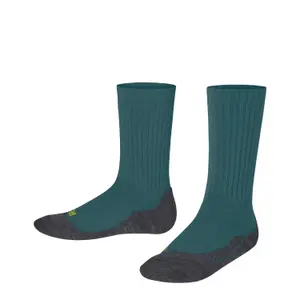


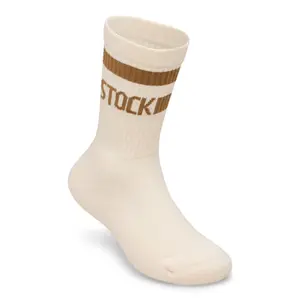
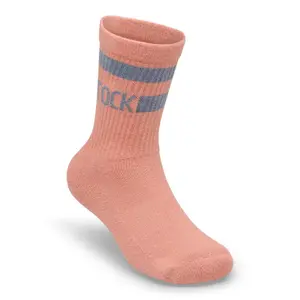

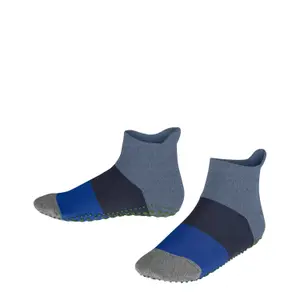
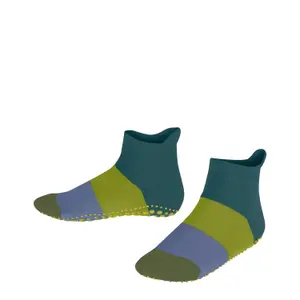
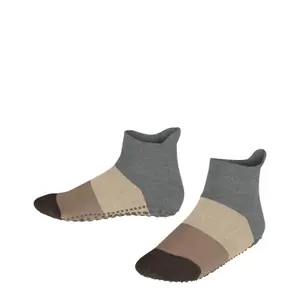
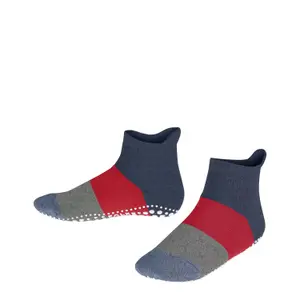
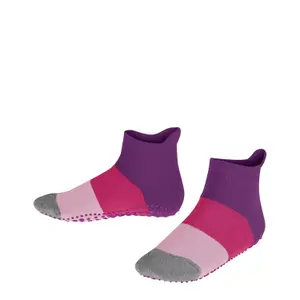
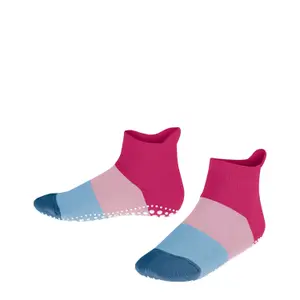
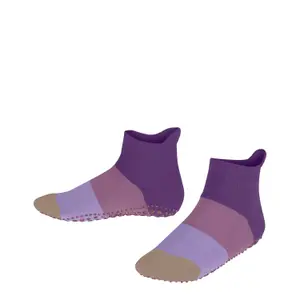
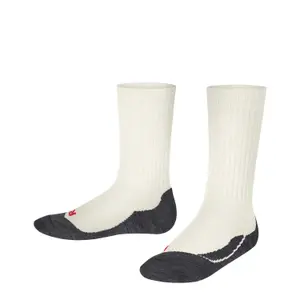
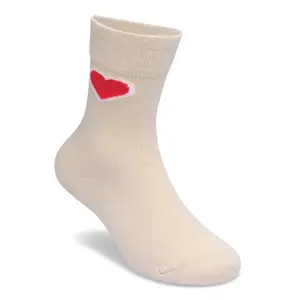
Children’s socks are chosen according to two things: shoe size and activity. Soft cotton for school, loop-knit cushioning under the sole for sport, wool for the snow, and non-slip grips for those first steps on wooden floors. A sock that fits well won’t bunch up under the foot or leave a deep mark on the calf, helping to prevent blisters and discomfort.
The right pair for every foot and every day
Sock size and shoe size
Sock sizes are given in shoe size ranges, for example 23–26, 27–30 or 31–34, not by age. Check your child's current shoe size rather than relying on their age: two six-year-olds can be three sizes apart. If their foot is at the top of a range, only go up to the next one if they are growing quickly, as socks that are too big bunch up and rub inside the shoe.
When trying them on, the sock's heel should sit exactly over your child's heel, and the toe should neither squeeze their toes nor stick out. Young children go up several shoe sizes a year, so check their sock size whenever you buy shoes.
Gloves, hats, belts: other everyday accessories
In winter, warm socks go with mittens, gloves and neck warmers to protect the extremities, and hats, balaclavas and caps to cover the head. Belts and ties complete a special occasion outfit with matching socks, while sunglasses come into their own in summer.
Cotton, merino wool or technical fibres: choosing a material for the activity
For school and home, cotton is still the most comfortable material, with a little polyamide for strength and elastane to help the socks stay in place. Certified organic cotton and the OEKO-TEX Standard 100 label are reassuring for sensitive skin. Pure cotton, however, holds on to moisture: in the snow or on a hike, it makes feet cold and encourages blisters.
Merino wool is a better choice then, as it stays warm even when wet and helps limit odours over several days. For indoor sports or football, synthetic fibres wick away sweat and dry quickly, with terry cushioning under the sole to absorb impact.
Seamless, non-slip: for sensitive feet and first steps
Some children can't stand the seam across the toe and complain as soon as they get up. Linked-toe styles or socks with no visible seam, where the closure lies flat above the toes, solve this problem, as does turning a sock inside out as a quick fix.
For first steps at home, walking barefoot is still the best way to learn balance. When the floor is cold or slippery, non-slip socks with silicone grips under the sole offer a good compromise: the foot can feel the floor while still gripping wooden or tiled floors. They're also useful at nursery, in a soft-play room or at friends' houses where shoes come off.
Multipacks and restocking: when to replace socks
Socks wear out, get lost and become too small, so it's best to replace them in multipacks. Black Friday is a good time to stock up on warm pairs before winter, and the end-of-year holidays are a chance to slip a patterned pair into a stocking. The winter sales are useful for buying the next size up, while the spring French Days and summer sales are a good time to replace sports socks, and back-to-school season to top up the supply for school. In between, clearance, great deals and new arrivals round out the range.
Frequently asked questions
How many pairs of socks should I get for a child?
Allow one pair per school day, plus three or four spare pairs for rainy days and sport, making around ten in total. Young children, who get their socks wet or dirty more often, need a few extra pairs.
How can I stop socks going missing in the washing machine?
Put each child's pairs in a wash bag, or fasten them together with a sock clip before putting them in the laundry. Buying multipacks of identical styles also makes sorting easier: a lone sock can always find a match.
What thickness of sock should I wear with sports shoes?
A thin to medium-weight sports sock, with terry cushioning under the sole and reinforced heels and toes, suits most trainers. Always try shoes on with the socks worn for training, as a thick pair can make the shoes feel half a size smaller.
What temperature should children's socks be washed at?
Cotton can be washed at 30 to 40 degrees, while merino wool needs a cold or 30-degree wool cycle. Turn non-slip socks inside out and air-dry them: the heat of a tumble dryer makes the grips hard and then causes them to come off.
Are long socks useful in winter?
Yes, knee-high socks cover the calf between the bottom of the trousers and the top of the boot, where the cold can get in. For skiing, they should come above the top of the ski boot, and you should wear one well-fitting pair: wearing two pairs creates creases and makes feet colder.











