
Children’s bikes: the right wheel size for every age


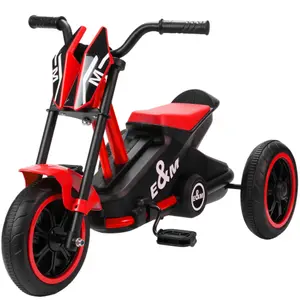


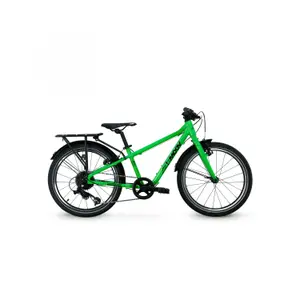


Children's bikes are chosen first and foremost by the child's size, measured in wheel inches, rather than their age. A balance bike to learn to stay upright, a light first bike, or a geared hybrid bike featuring Bluey or Paw Patrol colours: here are some pointers for finding the right size bike and riding safely.
The right bike is the one that fits them.
What size bike for your child's height
A child's bike size refers to the wheel diameter in inches, and is chosen according to the child's standing height. These guidelines vary slightly between manufacturers:
- a 12-inch bike for a child 85 to 100 cm tall, around two to four years old;
- a 14-inch bike for a child 95 to 110 cm tall, around three to five years old;
- a 16-inch bike for a child 105 to 120 cm tall, around four to six years old;
- an 18-inch bike for a child 110 to 125 cm tall, around five to seven years old;
- a 20-inch bike for a child 115 to 135 cm tall, around six to nine years old;
- a 24-inch bike for a child over 130 cm tall, around eight to twelve years old.
When sitting on the saddle, a beginner should be able to touch the ground with the tips of both feet. Also measure their inside leg, which is more reliable than age for a child who is tall or short for their age.
Scooters and helmets for other outings
Bikes often share the garage with other rides. Scooters are handy for short journeys and fold up for school, while children's helmets, compulsory when cycling before the age of twelve, are chosen according to head circumference.
Balance bike, first bike, geared bike: the stages
A balance bike is still the best way to learn balance: the Airo by Hornit, with its magnesium frame and adjustable saddle, is suitable from eighteen months and weighs just three kilos. After it, many children go straight to a pedal bike, without stabilisers.
For this first bike, lightness is key. Austrian brand woom, founded in Vienna in 2013, has built its reputation on very lightweight aluminium frames with a low step-through. German brand Puky, founded in Düsseldorf in 1949 and based in Wülfrath since 1960, offers aluminium bikes with a freewheel and two brakes in its LS-Pro range. Hybrid bikes by Volare, with several gears, or featuring Bluey, Hello Kitty and Paw Patrol, are suited to older children.
Brakes, weight and required equipment
A child's bike should be easy to stop: check that the brake levers fit small hands and are adjusted close to the handlebars. Bikes with a saddle height between 435 and 635 millimetres come under the EN ISO 8098 standard; below that, they are considered toys.
Weight matters a lot: a bike that's too heavy tires a child out and puts them off riding uphill, which is why aluminium frames are worth considering. For riding on public roads, the Highway Code requires two brakes, a bell, red reflectors at the rear, white at the front, orange ones on the sides and pedals, and front and rear lights at night or in poor visibility.
When to buy a new bike
A child changes bikes every two or three years as they grow. Black Friday and the festive season are good times to give a bike as a present; the winter sales and the spring French Days come before the riding season, while the summer sales and then the start of the school year fall before school journeys start again. Keep an eye on outdoor clearance and special offers.
Frequently asked questions
What bike is best for a ten-year-old?
Usually a 24-inch bike, or even a 26-inch one for a child taller than one metre forty-five. At this age, gears and a lightweight frame make longer rides and hills much more enjoyable.
Should I buy a bike that's a bit too big so it lasts longer?
It's best to avoid this: a bike that's too big is difficult to control, the child can't put their feet on the ground and loses confidence. Choose the right size now and rely on an adjustable saddle and handlebars to get another season out of it.
When does a child need gears?
Gears become useful from 20-inch bikes, around six or seven years old, when rides get longer and the terrain varies. Before that, a single-speed bike, which is lighter and simpler, is more than enough.
How do I adjust the saddle height on a child's bike?
For a beginner, set the saddle low enough for their feet to touch the ground. Once your child is confident, raise it until their leg is almost straight with the pedal at the bottom: they'll pedal with less effort.
Can my child ride their bike on the pavement?
Yes, children under eight are allowed to ride on the pavement, at walking pace and without getting in pedestrians' way. Older children must ride on the road or cycle paths, like adults.











