
Children’s scooters, from three-wheelers to freestyle scooters


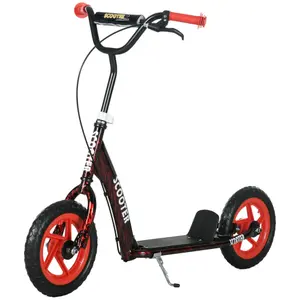
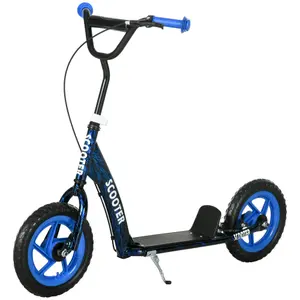
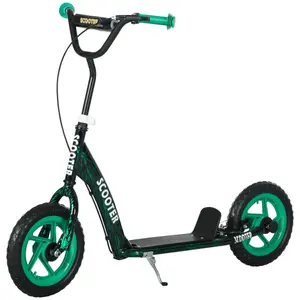
Starting at £66.62
£63.46


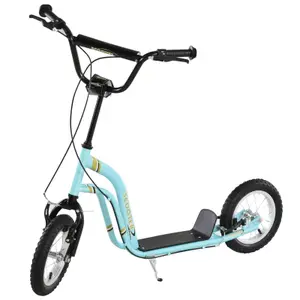
Starting at £64.95
£63.46
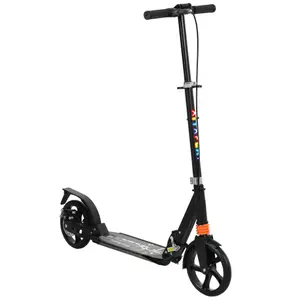
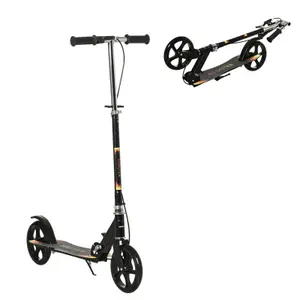
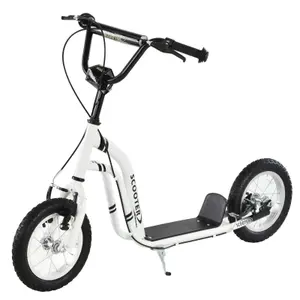
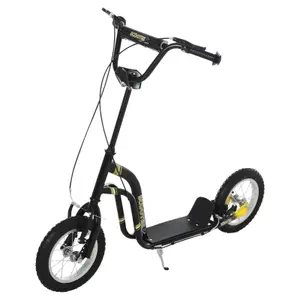
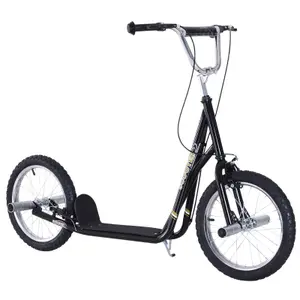
The children's scooter takes little ones aged two and up out and about on three wheels, then schoolchildren on foldable two-wheel scooters, before they start trying tricks at the skatepark. Stability, handlebar height, wheel diameter, brakes and carrying weight: these are the things that make a difference depending on your child's age and how they use it.
One push, and off they go.
Three wheels or two: which model for each age
A three-wheeled scooter is suitable for children aged around two to four: its two front wheels make it very stable, and the child turns by leaning their body rather than steering the handlebars. Some models let you lock the steering for those very first attempts, then unlock it once the child gains confidence.
A two-wheeled scooter takes over when your child has mastered their balance, often around the age of five or six. Faster and easier to manoeuvre, it usually folds up for the school run. The Foldy from Core comes in both versions: three wheels with lockable steering for younger children, and two wheels that fold with a lever for older ones, with lights that come on as the wheels turn.
Bikes and helmets to go with the scooter
A scooter is often just a step on the way to a bike, and your child’s head deserves protection from their very first downhill rides. Children’s bikes are grouped by wheel size to help you find a model they can grow into, while children’s helmets adjust to their head size to keep them protected as they ride.
Handlebar height and wheel size
The handlebars should be adjusted to roughly the height of your child’s belly button, never their neck or face, so their arms stay slightly bent and the risk of injury in a fall is reduced. Telescopic handlebars, adjustable to several heights, let the scooter keep up with your child’s growth for several years.
Wheel size affects comfort: small wheels of around 100 mm are fine on smooth pavements, while larger wheels handle cobbles and cracks better and keep their momentum for longer. Also check the rear brake, which is operated with the foot on the mudguard, and the scooter’s weight, as you’ll need to carry it by hand once your child gets tired.
Freestyle scooter: who is it for and what size
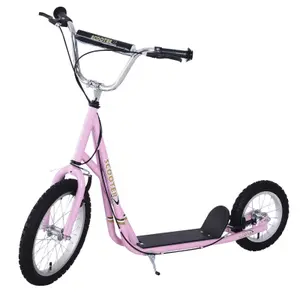
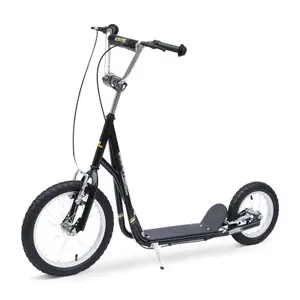
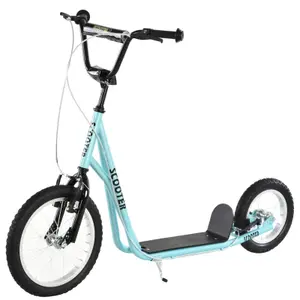
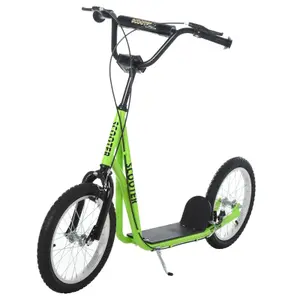
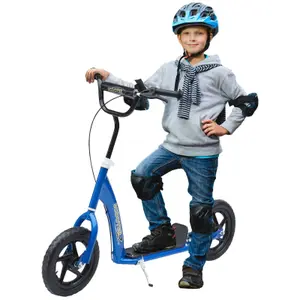
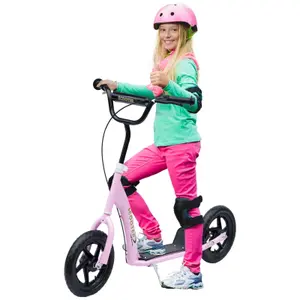
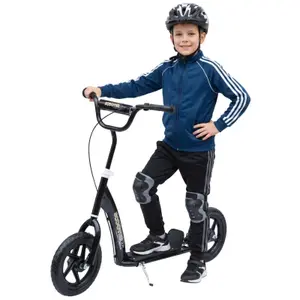
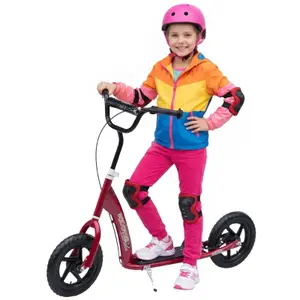
A freestyle scooter is designed for jumps and tricks at the skatepark: fixed, non-folding handlebars, a reinforced deck, metal-hub wheels and a sturdy fork can take repeated landings. It’s generally suited to children aged around eight and up who are already confident on two wheels.
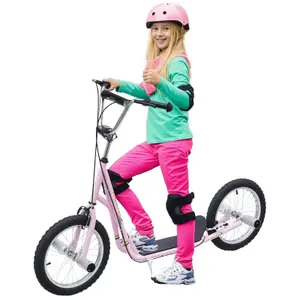
As the handlebars cannot be adjusted, choose the size when you buy it: the top of the handlebars should come between the hips and belly button, a little lower than on a town scooter to make tricks easier. At the skatepark, wear a helmet along with knee pads, elbow pads and flat-soled shoes that grip the deck well. Younger children should first learn how to brake, how to fall and how to wait their turn on the ramps.
Giving a scooter at any time of year
A scooter makes an ideal birthday or festive gift. Black Friday comes before the end-of-year festivities, the winter sales and spring French Days herald the warmer weather, while the summer sales and back-to-school season come just before the school run starts again. The outdoor clearance and new outdoor products round off these occasions.
Frequently asked questions
Is an electric scooter allowed at the age of ten?
No, not on public roads: since 1 September 2023, the minimum age for riding an electric scooter or any other motorised personal mobility device is fourteen. Before that age, a standard scooter is the only option.
Which scooter should I give a six-year-old?
At six, a foldable two-wheeled scooter with telescopic handlebars and a rear brake suits most children. If they still lack balance, a three-wheeled model for older children lets them wait until they’re ready without getting discouraged.
Do scooter bearings need maintenance?
A little, yes: avoid riding through puddles, wipe the wheels after a ride in the rain and store the scooter somewhere dry. If a wheel doesn’t turn properly or makes a noise, the bearing is easy to clean or replace.
What is the maximum weight a children’s scooter can support?
It varies by model: three-wheel scooters for young children often support around 50 kg, while two-wheel models can take up to 100 kg. Scooters designed for children weighing less than 20 kg are considered toys and must meet the EN 71 standard.
Can my child ride their scooter on the pavement?
Yes, a non-motorised scooter is treated like a pedestrian: it should be ridden on the pavement, at walking pace near other people. Teach your child to slow down at garage entrances and to get off the scooter to cross the road.











