
Children’s helmets for safer cycling


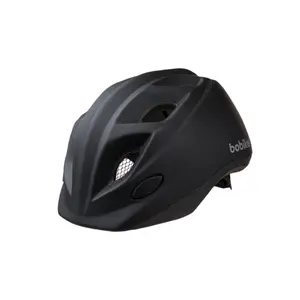


A children’s bike helmet is the first piece of kit to get before any ride, and it’s compulsory for children cycling up to the age of twelve. Size by head circumference, adjust the straps, choose the shell, lighting, animal shapes or favourite heroes: here’s how to choose a helmet your child will be happy to wear and that will really protect them.
When properly fitted, it protects them on every ride.
What the law says about bike helmets for children under twelve
The law makes helmets compulsory for children under twelve when cycling: since 22 March 2017, the decree of 21 December 2016 has applied to every child riding a bike, whether they pedal themselves or are a passenger, sitting in a child seat, for example. The helmet must be fastened and comply with the regulations for personal protective equipment.
If stopped for a check, it is the adult transporting or accompanying the child who risks a fourth-class fine. Beyond this legal requirement, helmets are still recommended at any age and on all wheeled vehicles: scooters, roller skates, skateboards or balance bikes, whenever a child picks up speed or rides near a road.
Bikes and scooters to pair with a helmet
A helmet is often chosen at the same time as the vehicle it goes with. Children’s bikes are organised by wheel size, from the first pedal model to a hybrid bike, while scooters range from three-wheelers for beginners to folding models for schoolchildren.
Measuring head circumference and adjusting the straps
Helmet size is based on head circumference in centimetres: place a tape measure just above the eyebrows and take it around the widest point at the back of the head. The smallest helmets start at around forty-four centimetres, and an adjustment dial can then fine-tune the fit. Don’t buy a helmet that’s too big to make it last longer: it will slip at the slightest impact.
When properly fitted, the helmet covers the forehead and sits about two fingers’ breadth above the eyebrows. The straps form a V under each ear, and the chin strap fastens with enough room for one finger under the chin. The simple test: when your child shakes their head, the helmet stays in place.
Shell, lights and designs: the details that matter
A children’s bike helmet meets the EN 1078 standard, which also covers scooters, roller skates and skateboards, and has a clearly visible CE mark. Its foam absorbs the force of a single impact: after a fall, even if there’s no visible crack, it must be replaced.
Little details can make a helmet more appealing. Crazy Safety models come in raised animal shapes, such as the Chameleon, and have a LED light at the back to help children be seen at dusk; the Cool Heart features hearts. The Marvel helmet in Spidey colours, inspired by the little Spider-Man from the cartoons, encourages superhero fans to fasten it before setting off. A child who likes their helmet will keep it on.
When to replace a helmet
A helmet should be replaced when a child’s head grows or after an impact, often at the same time as getting a new bike. Black Friday and the end-of-year holidays are a chance to give the whole set, while the winter sales and spring French Days come before the return of bike rides. The summer sales and back-to-school season also fall before the school run starts again. Don’t forget outdoor clearance and new outdoor arrivals.
Frequently asked questions
At what age can a baby wear a helmet?
A baby travelling in a bike seat must wear a helmet, which means they need to be able to hold their head up steadily while sitting, usually from around nine months to one year. Choose a lightweight model for a smaller head, and ask your paediatrician for advice if you’re unsure.
Which helmet should I choose for a ten-year-old?
At this age, head circumference is often close to that of a small adult: measure it, then look for a model with an adjustment dial and good ventilation. A simpler or sportier style is likely to go down better than a helmet with designs for toddlers.
Is a helmet compulsory on a standard scooter?
The law doesn’t require one for a non-electric scooter, unlike for cycling under the age of twelve. It’s still strongly recommended, as scooter falls often happen forwards, head first.
How do I clean a child’s helmet?
Use lukewarm water and mild soap, then leave it to air dry away from a radiator. Avoid solvents, paint and stickers not approved by the manufacturer, as they can weaken the shell; removable padding can often be hand-washed.
Is a second-hand helmet a good idea?
It’s not recommended: there’s no way to know whether it has already suffered an impact, which is enough to reduce its ability to absorb impact. A helmet can be passed between siblings if you know its history and it’s in perfect condition.











