
Cots and beds for babies and children, from newborn to big bed age







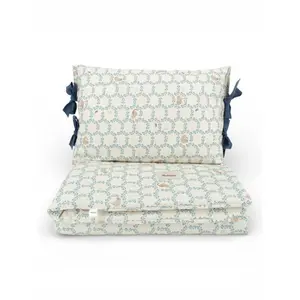



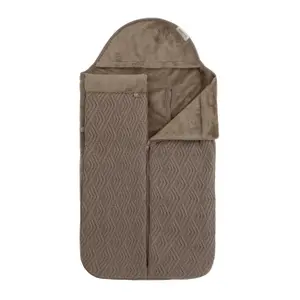

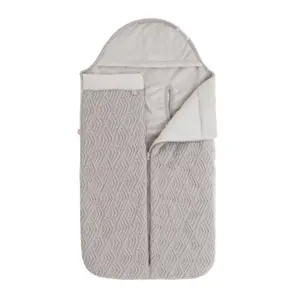
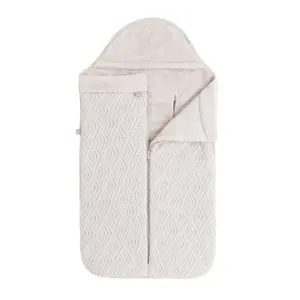
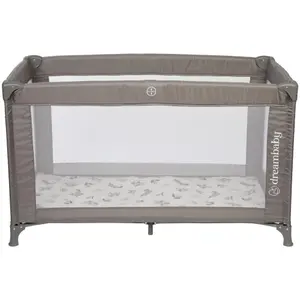

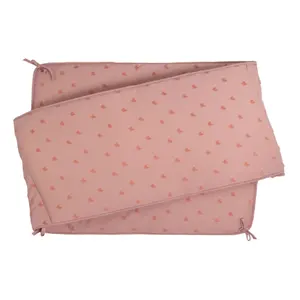




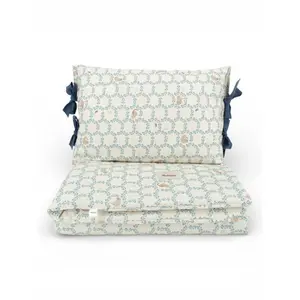


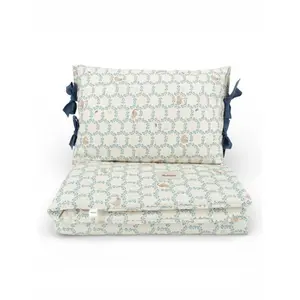

From their first nights in a big bed, your child’s sleeping arrangements change several times. This selection of bassinets and beds includes a co-sleeper attached to the parents’ bed, a convertible cot such as the Lionelo Leonie, a travel cot for holidays, as well as the Zaffiro wool mattresses, sheets and blankets that go with them, and bed guards for the move to a child’s bed.
A safe place to sleep at every age.
Which bed is right for your child’s age?
From birth to around six months, a cradle or bedside cot keeps your baby close at hand; it can no longer be used once your child can sit up, kneel or pull themselves up unaided. The next step is a cot, usually measuring 60 x 120 cm or 70 x 140 cm, with an adjustable base that can be lowered when your baby starts standing up.
At around two or three years old, when they can climb over the bars, your child can move to a junior bed or a 90 x 190 cm bed, protected by a bed guard for the first few months. Convertible models cover several of these stages with a single purchase.
Bedside cots, convertible beds and bedding: types of sleeping products
For the first few months, bedside cots sit next to the parents’ bed and make night feeds easier. Baby and children’s beds include cots, convertible beds and junior beds that grow with your child, while travel cots fold away for weekends at the grandparents’ house. Comfort is complete with mattresses and pillows to suit each size, bedding, from fitted sheets to blankets, and bed guards and accessories to make the move to a big bed safer.
Standards to check on a child’s bed
Each type of bed has its own European standard. Cradles and bedside cots are covered by EN 1130, cots and domestic folding beds by EN 716, and mattresses for cots, cradles and travel cots by EN 16890, which includes a test simulating the head sinking into the mattress. These standards are listed in the instructions and on the product label.
When assembling the bed, check that no more than two fingers’ space is left between the mattress and the sides, that all the screws are tight and that no parts stick out. Use just one mattress, cut to the exact size of the bed: stacking two reduces the height of the sides and creates dangerous gaps.
Mattresses, sheets and blankets: how to make up the bed
Before the age of two, keep your baby’s bed clear: use a firm mattress that does not retain the imprint of your hand, a snug fitted sheet and a sleeping bag suited to the room temperature, ideally between 18 and 20°C. Duvets, pillows, thick cot bumpers and large soft toys are not recommended, as they can make it harder for a baby sleeping on their back to breathe.
A wool blanket, such as Zaffiro models, is suitable for an older child, for naps or in a junior bed, as wool naturally regulates warmth. Have at least two fitted sheets per bed, like Baby’s Only Tender sheet, so you can change the bedding without waiting for it to dry.
Beds and bedding throughout the year
A bed is often bought a few weeks before the baby is due or when it is nearly time to move to a big bed, and the calendar can help with your purchase. Black Friday bedroom deals kick off the season, followed by the end-of-year holidays, a good time to give a blanket or bedding set, and then the winter sales. The spring French Days and summer sales help you prepare for autumn births and holidays with a folding cot, before the new school year. Recent models feature in the new bedroom arrivals, while end-of-line items can be found in the bedroom clearance.
Frequently asked questions
Should I buy a cradle or go straight to a cot?
A cradle or bedside cot can be reassuring for the first few months, but is only suitable until around five or six months. If space is limited, a cot with the base in its highest position is suitable from birth and will last until your child is two or three.
Can I reuse an older child’s bed for a newborn?
Yes, as long as you check the frame: the bars should be intact, all the fittings should be there, and the instructions and standard should be easy to read. It is best to replace the mattress, though, as the foam can become compressed and lose the firmness a baby needs.
Where should I put the baby’s bed in the bedroom?
Keep it away from radiators, windows and blind or curtain cords, which your child could reach when they start standing up. Leave space between the bed and nearby furniture too, so they cannot climb onto it from the bed.
At what age can a child sleep in a big bed?
Children usually move to a big bed between the ages of two and three, when they start climbing over the bars or ask for more independence. A low bed with a guard helps prevent falls, and letting them choose their bedding can often make the transition easier.
How do I assemble a cot correctly?
Follow the instructions step by step, tighten all the screws and then tighten them again after a few weeks, as the wood can shift. Before putting your child in the cot for the first time, also check that the base is securely locked at the height you have chosen.











