
Bed rails and accessories for your child’s bed
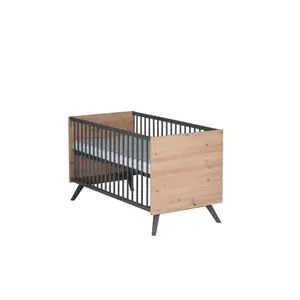
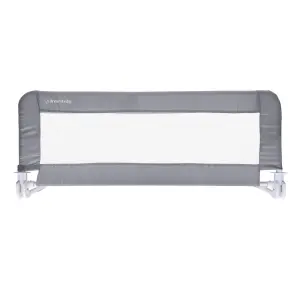
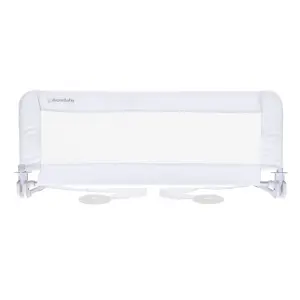
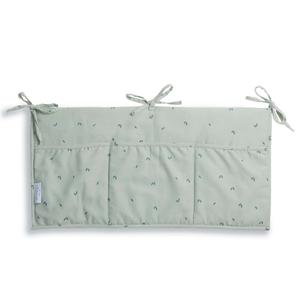
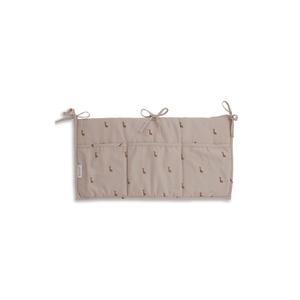


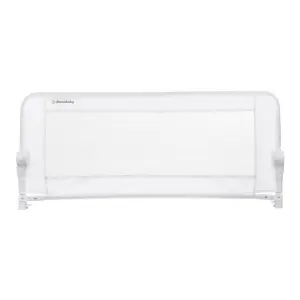
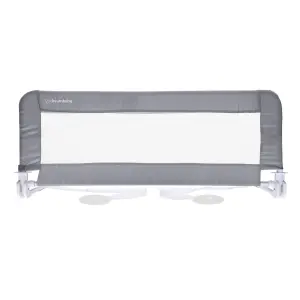
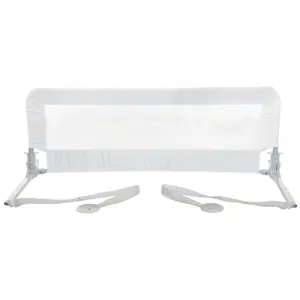
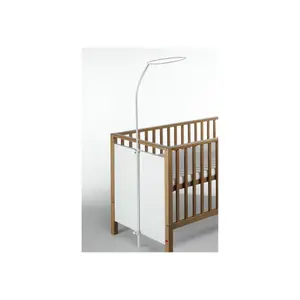


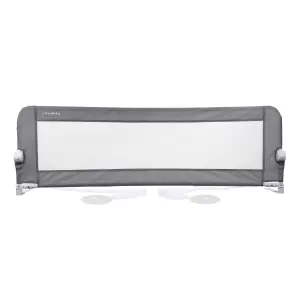
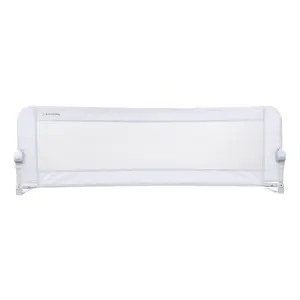
When your child moves on from their cot, a bed guard keeps them safe while they sleep without trapping them: slipped under the mattress, it folds down to make the bed and can be removed once they no longer roll towards the edge. Accessories complete the sleeping space, from a mosquito net to a bed canopy, to keep junior beds, children’s beds or parents’ beds safe and cosy.
Peaceful nights in a big bed.
At what age should you install a bed rail?
Bed rails are for children who sleep in a bed without sides: a junior bed, a 90 x 190 cm bed or their parents’ bed. Manufacturers generally recommend them for children aged around eighteen months to five years, when sleep is still restless and little ones may roll towards the edge. They never replace the cot for a baby who cannot yet get out unaided.
The right time often comes when your child moves into a big bed, at around two or three years old. One rail is enough if the other side is against a wall; if the bed is in the middle of the room, you’ll need two rails or a double-sided model.
Beds, mattresses and bedding to go with your bed rail
Choose a bed rail to suit the bed it protects. Baby and children’s beds include junior and extendable beds, where a low sleeping surface already reduces the height of a fall, while mattresses and pillows help you check that the mattress is the right thickness for the fitting. For younger babies, co-sleeping cots keep your baby close with a built-in side, while travel cots provide an enclosed place to sleep when you’re away. Finish off with bedding, starting with a fitted sheet.
Fitting, length and height: what to look for
- Fitting: most bed rails have tubes or a frame that slide under the mattress and are held in place by its weight. Some also have straps that attach to the bed base.
- Length: it should cover the area where your child sleeps, at least from their head to their knees; longer models protect almost the full length of the bed.
- Height: the fabric or panel should extend well above the top of the mattress, taking its actual thickness into account.
- Fold-down design: a rail that folds down makes changing the sheets and bedtime cuddles easier, as long as it locks securely in the raised position.
Avoid gaps between the mattress and the bed rail
The main risk of a bed rail that isn’t fitted properly isn’t a fall but getting trapped: if a gap forms between the edge of the mattress and the rail, your child could slip their head or body into it. Push the mattress against the rail, check by hand that nothing moves and check it regularly, as the mattress can shift during the night.
Don’t put the bed near furniture or a window that your child could reach by climbing on the rail, and remove the rail as soon as they try to climb over it: they could then fall from a greater height. Breathable mesh fabric lets air circulate if your child’s face rests against it during the night.
Getting ready for the move to a big bed during key sales periods
Plan for the move to a big bed, and make the most of sales to get everything you need. The Black Friday bedroom sale kicks off the season, the Christmas period is a good time to give bedding and a bed rail together, followed by the winter sales. The spring French Days and summer sales come before the new school year, when many children move into a new bedroom. In between, bedroom clearance brings together end-of-line products, while the special offers page lists current deals.
Frequently asked questions
Can you use a bed rail on a bunk bed?
No. The top bunk of a bunk bed must have its own built-in safety rails, as required by standard EN 747, and is not recommended for children under six. A removable bed rail is only intended for a standard-height bed.
Can you use a bed rail on the parents’ bed?
Yes, for a child over eighteen months who sometimes sleeps with you, as long as the mattress is pushed against the rail. For a baby, choose a co-sleeping cot, designed to sit next to the parents’ bed without leaving a gap.
How can I tell if my child is ready to go without one?
When they no longer wake up at the edge of the mattress and can get up by themselves at night without falling, you can remove the rail. Try folding it down for a few nights first, with a thick rug at the foot of the bed, to make sure all goes well.
Can you wash a bed rail?
The fabric on most models can be removed or cleaned with a sponge and mild soap; check the label before putting it in the washing machine. Wipe the metal frame clean, and take the opportunity to check the joints and locking mechanism.
Do you need a bed rail for naps at the grandparents’ house?
If your child sleeps in an adult bed when you’re away from home, a foldable rail that slides under the mattress is easy to take with you and can be set up in a few minutes. For a very young child, however, a fully enclosed travel cot is the safest option.













