
Flip-flops Havaianas for kids, a Brazilian-style summer
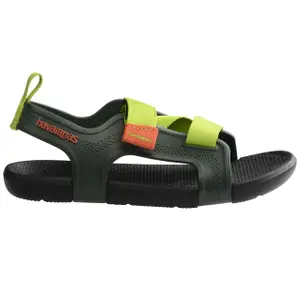
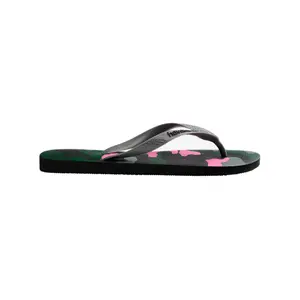
Children's flip-flops Havaianas are the hallmark of Brazilian summers, worn for decades on beaches around the world. A soft rubber sole with a rice-grain pattern, a Y-shaped strap that doesn't rub, bright or glittery colours, and versions with a back strap for little ones: they slip into the beach bag and go with children right to the edge of the pool.
Brazilian rubber, made for little feet.
Havaianas, the flip-flop that won over Brazil
Havaianas was launched in Brazil in 1962 by the company Alpargatas. The design was inspired by zori, traditional Japanese sandals made from rice straw, but replaced the straw with rubber. The rice-grain texture on the sole is a reminder of this origin, and the brand’s name brings to mind Hawaii, a dream destination at the time.
First worn as everyday footwear, flip-flops became a symbol of the country over the years, worn by people of all ages. The children’s versions have the same soft rubber and straps, with prints and colours designed for little ones, who love having the same flip-flops as their parents.
More sandals for the holidays
Flip-flops aren’t the only option for summer. Crocs clogs cover the toes and hold the heel in place with their back strap, Victoria canvas sandals with hook-and-loop fastening are great for walks, and the adidas and Nike pages bring together pool slides. For sporty, closed-toe sandals, also take a look at Hummel and KangaROOS.
The back strap, for little ones
A classic flip-flop is held in place only by the strap between the toes, so the foot has to grip to keep it on. For babies and young children, Havaianas therefore offers styles with an extra heel strap, often elasticated, which keeps the flip-flop on like a sandal and stops it getting lost at the first step in the sand.
Even with this strap, flip-flops are still beach and pool footwear. Podiatrists recommend saving them for short trips and choosing strapped sandals or lightweight trainers for long walks, ball games or bike rides, when the foot needs good support.
Havaianas double sizes: which size to choose
Children’s Havaianas flip-flops come in double sizes: twenty-five–twenty-six, twenty-seven–twenty-eight, and so on up to adult sizes. Brazilian sizes match European sizes, making it easy to choose: pick the double size that includes your child’s usual shoe size.
Then check how the foot sits. The heel shouldn’t stick out over the back of the sole, and the toes should stay within it, with a little room at the front. Flip-flops that are too big slap against the foot and can cause trips, while ones that are too small leave the toes rubbing on the ground. If your child is between sizes, have them try them on standing up, with their feet flat.
Havaianas flip-flops: when to buy them
A flip-flop can get lost, be left at the pool or become too small from one summer to the next, so a spare pair is always useful. Black Friday and the Christmas holidays are a chance to tuck a colourful pair into a Christmas stocking, while the winter sales are a good time to get ready for a sunny holiday. The spring French Days herald the return of warmer weather, the summer sales are perfect for getting ready to go away, and the shoe clearance brings together the last colours at the start of the new school year.
Frequently asked questions
At what age can a child wear Havaianas flip-flops?
Styles with a back strap are suitable for little ones who are walking confidently, for short trips to the beach or pool. Classic flip-flops without a strap are better suited to older children who have good balance and no longer lose them as they walk.
How do you clean Havaianas flip-flops after the beach?
Rinse them with fresh water to remove salt and sand, then scrub the sole with a brush and a little soap if it has gone black. Leave them to dry in the shade: strong sunlight can fade the rubber’s colours.
Are glittery Havaianas flip-flops comfortable?
Yes, the glitter is built into the sole or strap without making it less flexible. Just check that the strap doesn’t rub between the toes during the first few days, and give your foot time to get used to it before wearing them for a long day.
Can you wear Havaianas flip-flops in the water?
The rubber is fine in both seawater and chlorine, and the flip-flops dry in a few minutes in the sun. However, it doesn’t stay securely on the foot in the waves: for swimming over pebbles, strapped sandals or water shoes are safer.
Why does the Havaianas sole have little grains?
This rice-grain pattern is a reminder of the Japanese zori made from rice straw that inspired the Brazilian flip-flop. It also improves grip between the foot and the sole, even when wet, and is part of the brand’s visual identity.













