
Victoria canvas sandals for children, made in Spain for sunny days
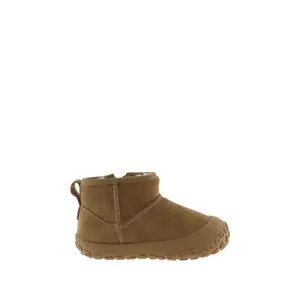
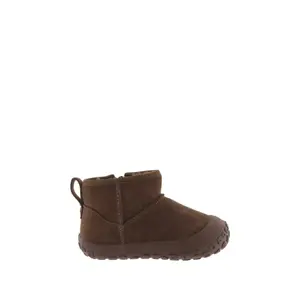


Founded in 1915 in La Rioja, northern Spain, Victoria built its reputation on canvas and rubber. Its Victoria children’s sandals draw on this expertise: a dyed canvas upper, a hook-and-loop strap children can fasten themselves, and a rubber toe cap to protect their toes in the playground or at the park.
Victoria canvas, made for summer.
What sets a Victoria canvas sandal apart
A Victoria sandal is easy to recognise by its dyed canvas, the brand’s traditional material, set on a rubber sole that includes some recycled materials. The organic cotton lining feels soft against bare feet, while an insole padded by a few millimetres cushions each step on cobbles and packed sand alike.
The open upper lets feet breathe on hot days, while the reinforced rubber toe stands up to scuffs from scooters, slides and ball games. These sandals are made in Spain, in the region where the brand began.
Compare with sandals from other brands
If you’re unsure about the style, other brands take a different approach to children’s sandals. Havaianas flip-flops and sandals rely on rubber for the beach, while Crocs sandals, made from lightweight resin, can be rinsed off with a jet of water after swimming. For a sportier look, take a look at adidas sliders and sandals, Nike styles or those from Hummel. KangaROOS sandals round out the range with their adjustable straps.
Do Victoria sandals come up small? Choosing the right size
Victoria sandals are known to come up a little small, so it’s best to go one size up from your child’s usual size. Sizes range from 18, for those first confident steps, to 34, for primary school age.
For the best fit, measure the foot at the end of the day, when it has swollen slightly: have your child stand on a sheet of paper with their heel against the wall, then mark a line in front of their longest toe. Allow about one centimetre of growing room and space for the foot to move forwards with each step. Going for a sandal that’s too big isn’t the answer, though: the foot can slip under the strap and your child may trip.
Wearing and washing canvas sandals all summer
The hook-and-loop fastening is a real plus at nursery: your child can put their sandals on and fasten them by themselves after a nap or an activity session, without waiting for an adult to help. Adjust the strap so that it holds the instep without leaving marks on the skin, and check that the heel doesn’t extend beyond the sole.
To clean the canvas, use lukewarm water, mild soap and a small brush, then leave it to air-dry in the shade, away from a radiator that could harden the rubber. Hand-washing is preferable to machine-washing, which can warp the insole. A wipe with a damp brush on the rubber toe will restore its original look after a day at the park.
Victoria sandals on offer before the warm weather
It’s best to buy sandals just before the first hot days, but deals start much earlier. Black Friday and the festive season are a chance to plan ahead and buy the right size for the following spring. The winter sales clear the last pairs from the previous summer, while the spring French Days come at just the right time to replace them. The summer sales and back-to-school season mainly cover end-of-line styles, collected in the shoe clearance section, while the new shoes section features recently added colours.
Frequently asked questions
Are Victoria sandals suitable for both girls and boys?
Yes, the Victoria canvas sandal is a unisex style: the design stays the same and only the colours change, from neutral shades such as beige to brighter blues. Just let your child choose the colour they like.
Are Victoria sandals barefoot shoes?
No. They are still flexible, but the rubber sole and padded insole make them classic sandals rather than minimalist shoes with very thin soles. They are suitable once your child can walk confidently on their own.
Can Victoria sandals be worn without socks?
Yes, that’s what they’re designed for: the organic cotton lining is made for direct contact with the skin. For the first few days, just keep an eye on the area under the strap for any redness before heading out for longer trips.
Where are Victoria children’s sandals made?
In Spain. The brand has stayed true to La Rioja, the region where it was founded in 1915 and which has long been home to a large share of Spanish shoe production, around the town of Arnedo.
How long does a pair last for a young child?
A well-maintained pair will usually last a whole summer, and it’s most often your child’s growing feet that determine when they need replacing. Check the size at the start of each new season, and more often before the age of three, when feet grow fastest.











