
Hero, gaming and collectable figures
A figurine can be a toy to take everywhere or a collector's item to display without touching. Superheroes, wizards, pocket-sized creatures or cartoon characters: every world has its fans, from little ones acting out scenes from the film to teenagers patiently completing their shelf. Age, size and durability help guide your choice.
Your favourite heroes, to play with or display.






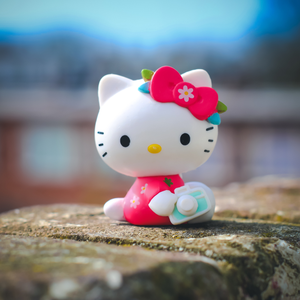


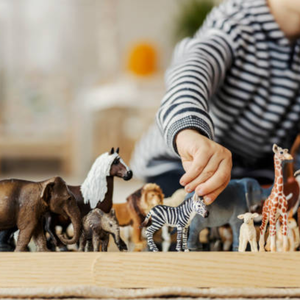
Play figure or collectible figure
The difference comes down to how they’re used. A play figure is sturdy, articulated or made in one piece, and designed for a child’s hands to invent stories with. A collectible figure is more finely detailed and often carefully painted, and is made to be displayed: its fragile accessories and small parts make it more suitable for teenagers and adults, as most packaging explains.
Funko Pop figures fall somewhere in between the two: their thick vinyl can withstand handling, but their window boxes, which many collectors keep intact, also make them display pieces. For a young child, always check the minimum age shown, as a small part could be swallowed.
Marvel, Pokémon, Disney: all the figure ranges
Each universe has its own page. Marvel brings together superheroes such as Spider-Man and the Avengers; video game fans head for the creatures of Pokémon, while fans of Japanese animation turn to Japanese figures. Disney brings together princesses, villains and Pixar heroes, film franchises cover the big screen universes, Warhammer is for strategy gamers who paint their armies, Funko Pop is for fans of square heads, and other figures cover everything else.
Which figure to give a child at each age
Before the age of three, only figures marked as suitable for that age are appropriate: large, with no small detachable parts, and made from soft or very sturdy material. Between three and six years old, children act out their favourite cartoons and stories; they need characters they recognise, large enough to hold easily and able to survive a fall.
Between seven and ten years old, articulated figures let them create more elaborate scenes, and their first collections begin to take shape, often around a universe such as Harry Potter or superheroes. From the age of eleven or twelve, their interest shifts towards display figures or figures to paint, which call for patience and precision.
How to display a figure collection without damaging it
A collection should first be protected from sunlight, which fades the colours of figures and boxes alike, and then from dust. A closed display cabinet or a shelf away from a window is enough; keep it away from radiators, as heat can warp the plastic.
Should you keep the box? For a figure meant for play, no: it is made to be handled. For a collectible, the original box in good condition helps preserve its value and protects it during house moves. Many Funko Pop collectors display their figures in their packaging, lined up by universe, with each character’s number clearly visible.
Figures: great deals to complete a collection
A figure is an easy gift to get right when you know a child’s favourite hero. Black Friday and the festive season are the big dates for collectors, followed by the winter sales. The spring French Days, summer sales and back-to-school period are then good times to complete a series, while new toys and games show you the latest characters.
Frequently asked questions
What are figures made from?
Most are made from PVC or vinyl, plastics that allow for fine details and can withstand knocks. Collectible statuettes are sometimes made from resin, which is heavier and more fragile, while some figures for young children are made from painted wood.
Why do children collect figures?
Collecting helps children sort, compare and count, and gives them something to talk about with their friends. It’s also a way to spend more time in a world they love, gradually bringing together the characters from a film or series.
Is a Funko Pop suitable for a young child?
Most boxes say these figures are not suitable for children under three. For older children, their shape, with a heavy head on a small body, makes them better suited to a shelf than rough play: for younger children, choose play figures instead.
How do you clean a plastic figure?
Dust it with a soft brush, then wipe it with a barely damp cloth and a drop of soap if needed. Avoid hot water, alcohol and household cleaning products, which can dull the paint or soften some plastics.
Can a collectible figure appeal to a child?
Yes, if it features a world they love and they understand that it is more for looking at than handling. Check the minimum age shown on the box, which is higher for figures with fine details, and give them their own spot to display it.













