
Pikachu and Pokémon figures
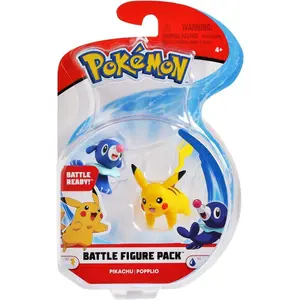
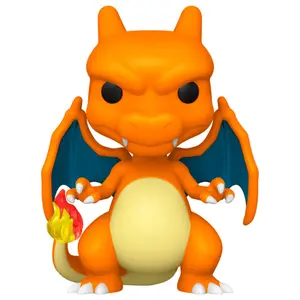
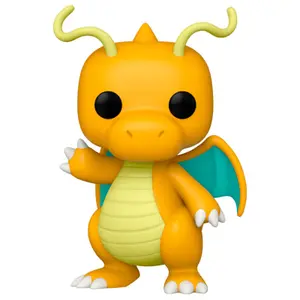
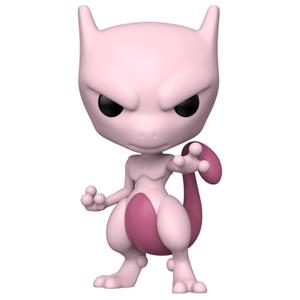
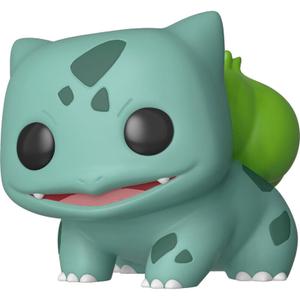
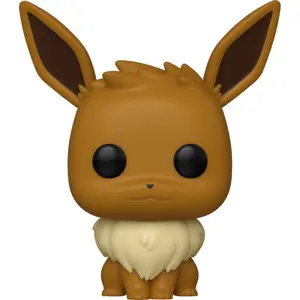
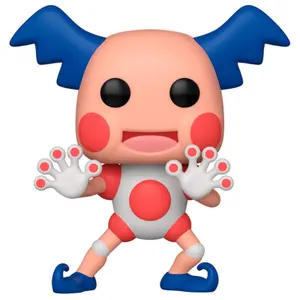
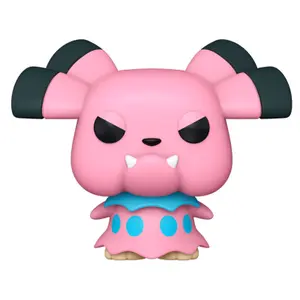

Pikachu, Charmander, Bulbasaur or Eevee: Pokémon figures let children build their own team of creatures, sort them by type and act out the battles they’ve seen in the cartoon or played on the console. Small play figures or larger pieces to display, they accompany budding trainers from nursery school through to secondary school.
Catch them all in figure form.
How Pokémon took over playgrounds
It all began in Japan on 27 February 1996, with the release of Pokémon Red and Green for the Game Boy, created by Satoshi Tajiri and the Game Freak studio. The idea caught on straight away: catch creatures, train them and trade them with friends using the console cable.
In France, the craze took off in 1999. The animated series arrived in September on Fox Kids and then on TF1, and Pokémon Red and Blue were released in October. Since then, the Pokédex has grown with each generation and now includes over a thousand species, giving every child the pleasure of choosing their favourites.
Nintendo, manga, Funko Pop: related figures
Pokémon started out on a Nintendo console, and the brand's other heroes, Mario, Link and Kirby, each have their own page of Nintendo figures. Young fans of Japanese animation can continue the adventure with manga figures and Japanese figures. For little ones who love cartoon heroes, Disney figures offer a different world, while collectors of vinyl figures can check out Funko Pop.
Fire, Water, Grass: sorting figures by type
Each Pokémon belongs to one or two types, which determine its strengths and weaknesses. There are eighteen in all, from Charmander's Fire type to Bulbasaur's Grass type, as well as Squirtle's Water type, Pikachu's Electric type and Fairy, which was added in 2013.
This system is a great source of fun for children: they sort their figures by type, put together a balanced team of six creatures just like in the video games, and learn that Water beats Fire, which in turn burns Grass. Without even realising it, they learn names, compare and reason. Evolutions, such as Charmander becoming Charmeleon and then Charizard, make them want to collect the whole line.
Small battle figures or display pieces
Battle figures, just a few centimetres tall, are made for playing: children take them on outings, line them up face to face and hold tournaments on the living room rug. However, their small size means they should be kept away from children under three and younger siblings, who might put them in their mouths.
Collector figures, which are larger and more detailed, faithfully recreate poses from the animated series and trading cards. They suit older children who take care of their belongings and enjoy displaying their favourite creatures, such as Charizard breathing fire or Pikachu crackling with electricity.
Pokémon figures: the highlights of the year
Pokémon figures are top of Father Christmas lists every winter. Black Friday is a great time to get these gifts ahead of the festive season. The winter sales, the spring French Days and the summer sales are perfect for adding to a team, while the start of the school year is a chance to reward a good start. New arrivals introduce children to new creatures.
Frequently asked questions
At what age do children become interested in Pokémon?
Often around four or five, through the animated series or older brothers and sisters. Younger children like round-shaped creatures such as Pikachu, while battles and types tend to appeal from the age of six or seven.
Why do Pokémon have different names in French?
The names were adapted for each language to keep the original wordplay. So Charmander became Salamèche and Squirtle became Carapuce, while Pikachu kept its Japanese name all over the world.
How many Pokémon can a child collect?
The Pokédex includes over a thousand species, making a complete collection almost impossible. Instead, encourage your child to put together a team of six favourites or collect a whole evolution line: a clear and motivating goal.
Which Pokémon should you give a five-year-old?
Pikachu is always a safe bet, known to all children thanks to Ash in the animated series. Eevee, with its many evolutions, and Charmander, the little fire lizard, are also favourites with young trainers.
How should you store a collection of small Pokémon figures?
A storage box with compartments lets children sort them by type and stops them getting lost under the furniture. A label on each compartment helps children put them away by themselves after playing and spot the ones they are missing.













