
Mario, Link and the Nintendo heroes as figurines
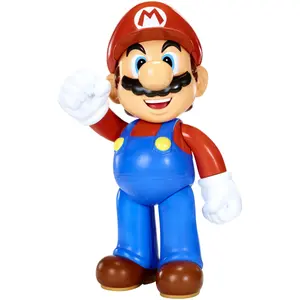
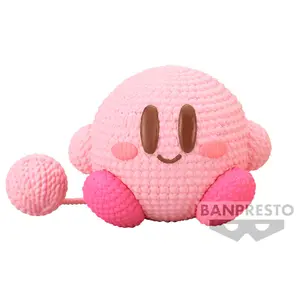

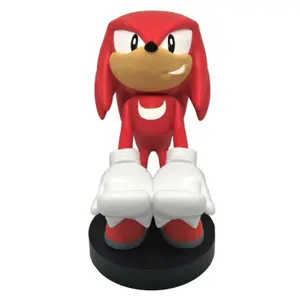
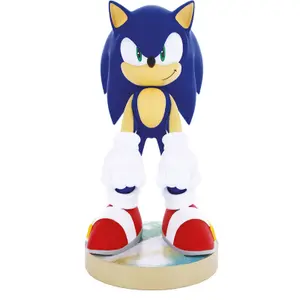

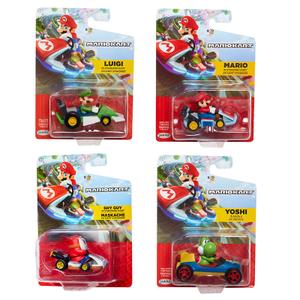


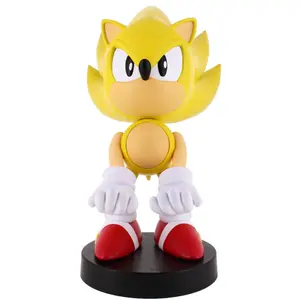
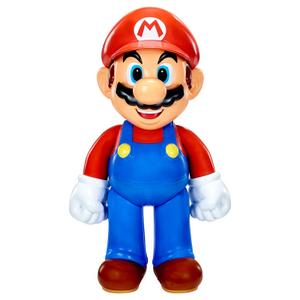
Moustachioed plumber, knight of Hyrule or pink ball who swallows his enemies: Nintendo heroes are part of childhood for several generations. Nintendo figures take the fun beyond the screen, whether they’re statuettes to display next to your console or amiibo that can unlock bonuses in compatible games.
Controller heroes, on the shelf.
From Kyoto to the Switch: where Nintendo heroes come from
Nintendo was founded in Kyoto in 1889, where Fusajiro Yamauchi made traditional playing cards called hanafuda. Its move into video games gave rise to characters that became known around the world. Mario first appeared in the 1981 arcade game Donkey Kong, under the name Jumpman, facing the gorilla who gives the game its title.
Link, the hero dressed in green, set off on an adventure in 1986 in The Legend of Zelda, and Kirby puffed out his cheeks for the first time in 1992 on Game Boy. These heroes have lasted through generations of consoles without ageing a day, making them figurines that parents and children recognise together.
Pokémon, manga, Funko Pop: more gaming and anime figurines
The creatures that first appeared on Game Boy have their own page: the Pokémon figurines bring together Pikachu and its friends. Japanese anime heroes are waiting for your child among the manga figurines, while other franchises from the archipelago are grouped together in the Japanese figurines section. The big-headed vinyl style comes in all kinds of franchises in the Funko Pop range, and characters that don't fit into any category can be found among the other figurines.
amiibo: figurines that communicate with the console
amiibo are Nintendo figurines fitted with an NFC chip. Launched in Europe on 28 November 2014, with a first batch of twelve characters including Mario, Link, Kirby and Donkey Kong, they were released alongside Super Smash Bros. for Wii U.
On the Nintendo Switch, simply place the figurine on the controller's right stick or on the Pro Controller for the game to recognise it. Depending on the game, it unlocks an outfit, an item or a character, or saves a fighter's progress from one session to the next. amiibo are never essential to finish a game: they add a little extra and still look great on their stands.
Display figurine or amiibo: choosing the right one for your child
It all depends on how it will be used. A child who plays a lot on the Switch will enjoy an amiibo linked to their favourite game, such as Mario Kart or Animal Crossing: they'll see the figurine come to life on screen. A young collector might prefer a larger, more detailed statue, designed to be displayed near the TV or on a desk.
For younger children, choose a character with rounded shapes and no delicate parts, such as Kirby or Yoshi, as they're more durable when handled. Check the age recommendation on the box: most collector's figurines aren't suitable for under-threes because of their small parts and detachable stands.
Nintendo figurines: the best times to buy
A Nintendo figurine makes a great gift to put under the tree alongside a new game. Black Friday kicks off the gift-buying season, which continues through the festive period until Christmas. The winter sales, followed by the spring French Days and summer sales, are a chance to add a hero to the shelf before the new school year. Don't forget games and toys in the clearance section.
Frequently asked questions
Does an amiibo work with all Switch games?
No, only compatible games recognise it, and the effect varies from one game to another. The list of supported amiibo is usually shown on the game box or on the Nintendo website; some characters work with several games.
Can you use an amiibo without a console?
Yes, just like any other figurine: it sits on its stand and can be collected for its own sake. The built-in chip doesn't need batteries; it only activates when it comes into contact with the controller's reader.
Which Nintendo character is popular with children who are new to video games?
Mario and Kirby are the easiest to get into: their games are simple to pick up and play, often with several players on the same screen. Their figurines extend the fun of playing together as a family and help younger players feel at ease.
What age is suitable for a Nintendo collector's figurine?
From six or seven, a careful child can keep a figurine on their shelf. Highly detailed models with a sword, shield or delicate stand are better suited to children aged ten and over, or to a parent who shares their passion.
How can you stop a figurine from losing its colour?
Keep it out of direct sunlight, as ultraviolet rays can fade the paint over time, and away from heat sources. Regular dusting with a soft brush is enough to keep its original colours bright.













