
Japanese anime and manga figurines
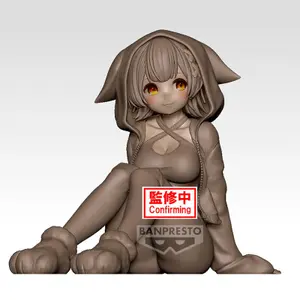
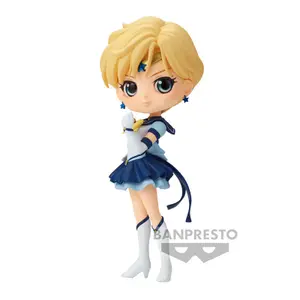
Japanese figurines were born out of Japan's passion for animation, manga and video games. Carefully painted statues, little characters with big heads or robots to build yourself: each style offers a different way to collect. They're aimed mainly at teenagers and young anime fans who want to display their heroes.
The Japanese art of figurines, in detail.
Scale, chibi, articulated: the main Japanese styles
A scale figure depicts a character at a precise scale, often one seventh or one eighth of their supposed size, making it about twenty centimetres tall. Carefully sculpted and painted with gradients, it is designed to be displayed on its base. A chibi figure, or super deformed figure, has an oversized head and a small body instead, in a cute style that younger fans love.
Between the two, articulated figures let you change the pose, face or hands. Prize figures, originally won from claw machines in Japanese arcades, offer an accessible first step into collecting.
Manga, Pokémon, Nintendo: related worlds
Japanese figures overlap with other categories. The manga page brings together heroes from the most widely read series, Pokémon features creatures that originated in Japan in the nineties, and Nintendo brings Mario, Link and their friends to life. Collectors with a more Western style in mind turn to Funko Pop figures.
Robots, magical girls, virtual idols: the icons
Three main groups of characters dominate fans’ shelves. Giant piloted robots, popularised by animated series in the seventies, are often collected as model kits to build. These days they snap together without glue and introduce teenagers to model-making. Magical girls, schoolgirls who transform to fight evil, owe their worldwide success to Sailor Moon, the heroine of Naoko Takeuchi’s manga, first published in 1991.
More recently, virtual idols, created using voice-synthesis software in the 2000s, have become hologram concert stars and are among the most widely depicted characters in figure form, with dozens of different outfits.
How to spot an official figure and look after it
The Japanese figure market is targeted by many counterfeits. An official figure can be identified by its carefully printed box, licence and copyright details on the back, the manufacturer’s name and a paint finish without smudges. Be wary of an unusually low price, a face with poorly aligned eyes or plastic with a strong smell.
When it comes to care, PVC figures are sensitive to heat and sunlight, which can turn light colours yellow and make a character displayed on one leg lean over. Dust it with a soft brush, without using any products, and keep the original packaging, which remains valuable to collectors.
Japanese figures: key dates for collectors
A statuette from Japan is often planned as a special gift. Black Friday and the festive season bring together most wish lists, followed by the winter sales for a second chance. The spring French Days, summer sales and back-to-school season fill out the rest of the year, while the latest games and toys feature characters from the newest anime.
Frequently asked questions
What does chibi mean?
The word chibi means something very small in Japanese. In the world of manga, it describes a style where characters have huge heads, big eyes and miniature bodies, for a funny or endearing effect.
What age is suitable for an anime statuette?
Scale statuettes often carry a notice recommending them for teenagers or adults, because their parts are delicate and fragile. Chibi figures and small vinyl characters are suitable from the age shown on the box, which is often younger.
Why are Japanese figures so detailed?
In Japan, making figures is a profession in its own right: renowned sculptors create the prototype, then each piece is painted in several stages. Collectors expect the figure to match the original artwork perfectly, right down to the shine in the hair and the folds in the outfits.
How do you build a robot model kit for the first time?
Choose a beginner-level kit, remove the pieces with side cutters rather than by hand, and follow the instructions in order. A file or fine sandpaper will smooth away the cut marks; you can add paint later.
What is anime?
It’s the name given to Japanese animated series and films, with a distinctive style: big eyes, colourful hair and expressive faces. Many are adapted from manga and go on to inspire figures, video games and trading cards.













